When sleep slips away, we all go a little desperate: counting sheep, changing pillows, typing "sleep hack" into a search bar. Then comes the hard part — standing in front of a shelf of "natural sleep aids" and wondering which one is real. Chamomile, valerian, jujube seeds, lavender, passionflower, melatonin… Let's walk through the most common ones, one by one: how strong the evidence is, how to use them, and when to stay away. Based on published research, not medical advice.
Chamomile: the softest, steadiest placebo
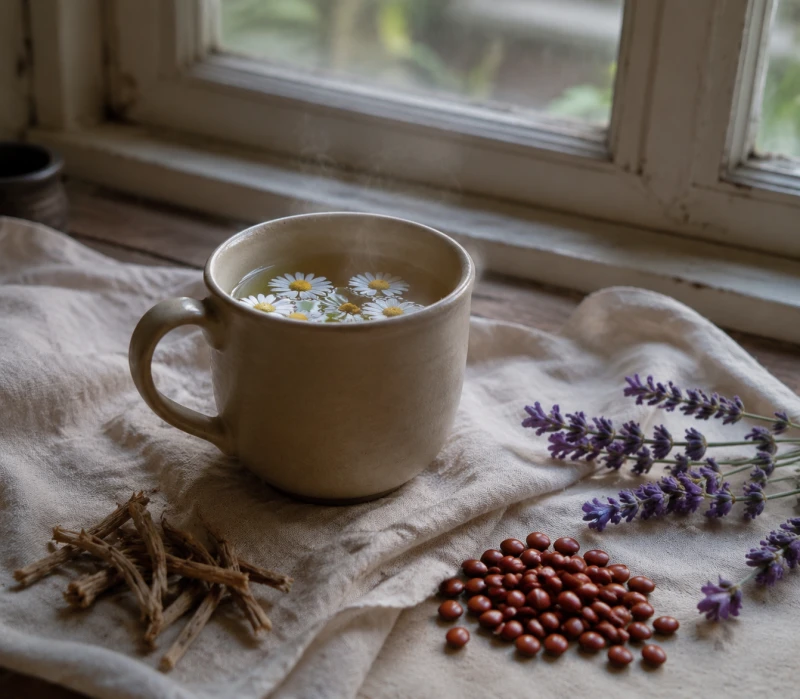
Chamomile is probably the most famous bedtime tea on the planet. Here's the charming twist: its evidence is also the softest. Reviews keep landing on the same conclusion — chamomile helps some people fall asleep, and a good part of that effect runs through "you believe it helps". A 2016 review of more than a dozen studies found regular chamomile tea improved sleep quality in some groups, especially new mothers and older adults. The mechanism is real, too: apigenin, a compound in chamomile, gently engages the brain's GABA receptors — the "relax" pathway.
So chamomile isn't "useless." It just works the way it looks: it helps you unwind, and unwinding is half of falling asleep. As a nightly ritual it's excellent value. Expecting one cup to flatten severe insomnia? Wrong tool.
Valerian: the sleepy root that smells like old socks
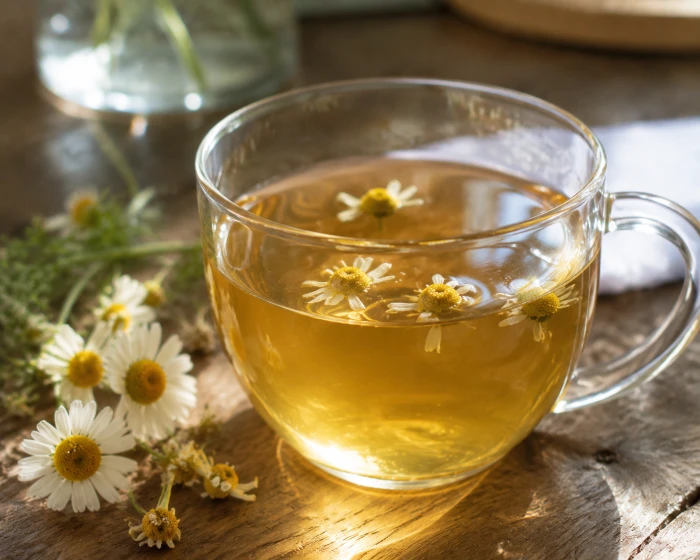
If chamomile is the gentle one, valerian is the heavyweight with the strong personality. The root smells, to many people, like a sock that has seen better days — yet the Romans called it "all-heal," and Europeans have been using it for sleeplessness and anxiety for centuries. Modern research calls it "complicated": earlier trials looked promising, stricter recent ones came back mixed. It seems to help some people and do nothing for others, and when it works it takes 2-4 weeks to show up.
There are practical annoyances, too: valerian capsules make you burp the smell, and a minority feel groggy the next morning. Worth a try, yes — but don't expect a sleeping pill's speed, and don't run it for months on end.
Jujube seeds: the seed of calm in Chinese tradition
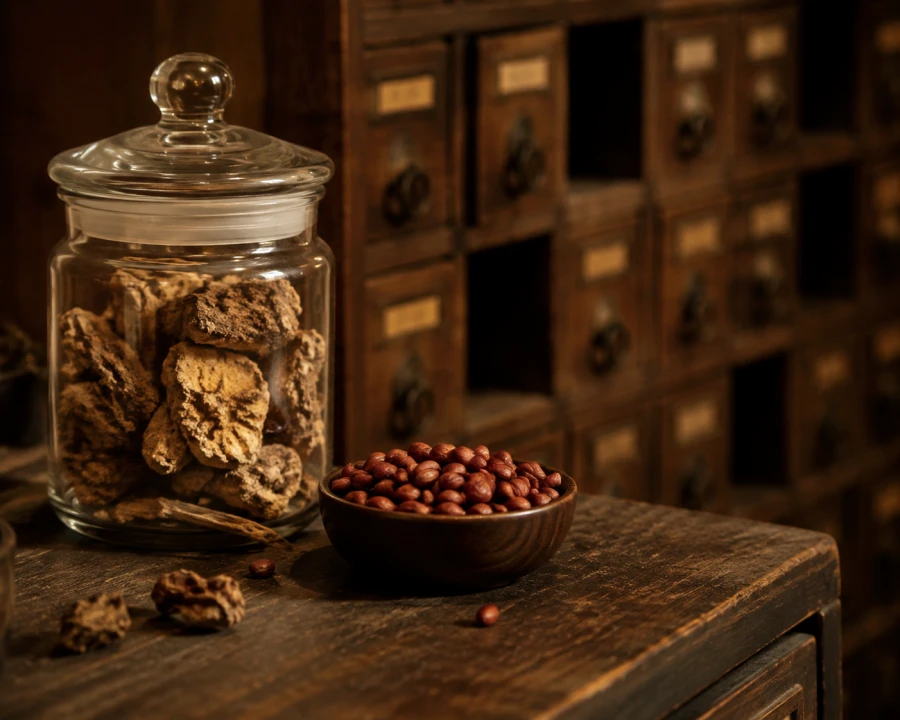
Now cross the world: the star of Chinese herbal sleep care is suan zao ren — the seed of the wild sour jujube, not the sweet dates you snack on. The Shennong Bencao Jing, a Han-dynasty herbal classic, listed it as top grade for "restlessness and sleeplessness." Curious pattern: Westerners reach for a root (valerian), the Chinese reach for a seed — two civilizations found their calm in different parts of the plant.
Modern pharmacology has found threads worth pulling: flavonoids and saponins in the seed show sedative, anti-anxiety tendencies, and small clinical trials report positive results for insomnia. The traditional use is usually roasted and ground into a decoction or powder — a dietary-style support for "restless, light sleep," something you stick with for weeks rather than a one-night fix.
People reach for herbal sleep aids assuming natural = gentle = no side effects. That's the biggest myth in this whole category. Valerian can amplify sedatives and anesthetics; chamomile can trigger reactions in people allergic to the daisy family; even mild jujube seed isn't right for everyone. Natural describes the origin — not the risk.
Lavender and passionflower: atmosphere or substance?
Lavender works through the nose, and the evidence agrees: several trials show that smelling lavender oil before bed — or diffusing it in the room — improves falling asleep and sleep quality, again via the GABA pathway. As a bedtime atmosphere upgrade it earns its keep.
Passionflower has been used in European folk medicine for sleeplessness and anxiety for ages. The evidence is modest but consistently pointed in the right direction. If you want to dip a toe in, a passionflower infusion is gentler than a concentrated extract.
Chamomile, valerian, jujube seed, etc.
Gentle, slow, needs consistency
Side effects usually mild
Best for mild sleep troubles
A single-hormone supplement
Acts faster, targets rhythm
Dose and timing matter
Best for jet lag, shift work
Melatonin: the natural sleep aid closest to a drug
Strictly speaking, melatonin is not an herb — but no conversation about natural sleep aids can skip it. It's the darkness signal your brain already makes; supplementing it says "it's night." The evidence here is the strongest in the category: it genuinely helps with jet lag, shift work, and delayed sleep phase (night owls) — but for plain "I lie there and can't switch off" insomnia, it performs about as well as a placebo.
Melatonin is all about timing and dose: usually 30-60 minutes before bed, and small doses (0.5-3 mg) often beat big ones — larger doses just leave more of a haze the next morning. It's not a sleeping pill and shouldn't be expected to knock you out; it nudges the clock.
How to choose: one table
| Option | Evidence | How it works | Best for | Note |
|---|---|---|---|---|
| Chamomile tea | Mildly positive | Relaxation + ritual | Mild sleep trouble, bedtime anxiety | Avoid if allergic to daisies |
| Valerian | Mixed | Needs 2-4 weeks | Patient experimenters | Smelly; no sedatives alongside |
| Jujube seed | Promising | Dietary, needs consistency | Light, broken sleep | Use sensibly, not in huge piles |
| Lavender (aroma) | Positive | Inhale before bed | Wind-down ritual | Oil is not for drinking |
| Passionflower | Modest | Gentle infusion | Curious first-timers | Ask a doctor if pregnant or medicated |
| Melatonin | High for rhythm | 30-60 min before bed | Jet lag, night owls | Small dose wins; not a sleeping pill |
A workable combo: do the daylight part right (see How to Fall Asleep Faster: A Non-Drug Guide for Tired Minds), make chamomile your 8 p.m. ritual, and keep a low-dose melatonin or valerian in reserve for the rough weeks — the herbs handle "relax," melatonin handles "clock," each minding its own lane.

Who should skip them: natural is not always safe
- Anyone on sedatives, sleeping pills or antidepressants: valerian, chamomile and passionflower can stack with them — ask your doctor first.
- Pregnant or breastfeeding women: most of these herbs lack pregnancy safety data, especially valerian and passionflower. Avoid self-medicating.
- People allergic to the daisy family: chamomile can trigger allergic reactions.
- People with liver conditions: rare reports link high-dose valerian to liver injury — steer clear.
- Before surgery: valerian may interact with anesthetics; stop 2 weeks before.
No natural aid replaces two things: a steady schedule and a brain that's actually tired. Your body wants a rhythm where sleep comes naturally — not a plant forcing sleep on demand. If insomnia has dragged past a month, or your days are falling apart, see a doctor instead of testing bottles on yourself.
FAQ
Evidence shows regular drinking helps some people — especially with mild sleep trouble and bedtime anxiety — mainly by relaxing you. It's the cherry on top, not the cake. Skip it if you're allergic to daisies.
Usually 2-4 weeks of consistent use before you know whether it's your herb — and it doesn't work for everyone. If you're on sedatives or facing surgery, talk to your doctor first.
For most adults, a small dose of 0.5-3 mg, 30-60 minutes before bed, is enough. Bigger doses (like 10 mg) more often leave you foggy the next day. It suits jet lag and rhythm problems — not general insomnia.
The classic way is roasted, crushed, then simmered as a decoction or ground into powder — a dietary-style support you stick with for weeks. It's not a quick fix, and for long-term heavy use it's wise to check with a TCM practitioner.
A Note from Bong

The best sleeper I have ever met was a village cat on the threshing ground. Sun hits the yard, it flops down, out cold — no insomnia, no tea required. It took me years to get the point: that cat earned its sleep by doing nothing but being thoroughly tired in daylight. People are no different. If you haven't been properly awake all day, no cup of anything can pay that debt for you.
References
- Chamomile and sleep: systematic review of chamomile for insomnia and sleep quality (2016).
- Valerian root: Cochrane and later RCT summaries on insomnia treatment.
- Jujube seed: pharmacological reviews of sedative flavonoids and saponins.
- Lavender aromatherapy for sleep quality: RCT evidence summaries.
- Melatonin for insomnia and circadian disorders: dose and timing clinical reviews.
First, tell your sleep problems apart
Trouble falling asleep, waking at night, waking too early, waking exhausted — different problems need different fixes. Two minutes to find your sleep type, then start where it counts.
Take the sleep quiz