Constitución de Deficiencia de Qi
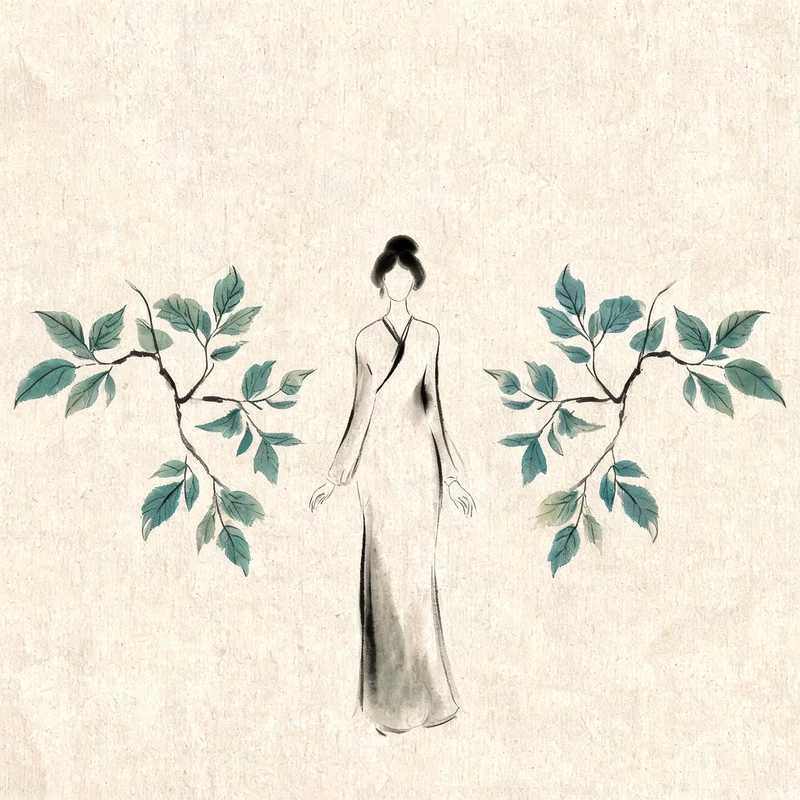
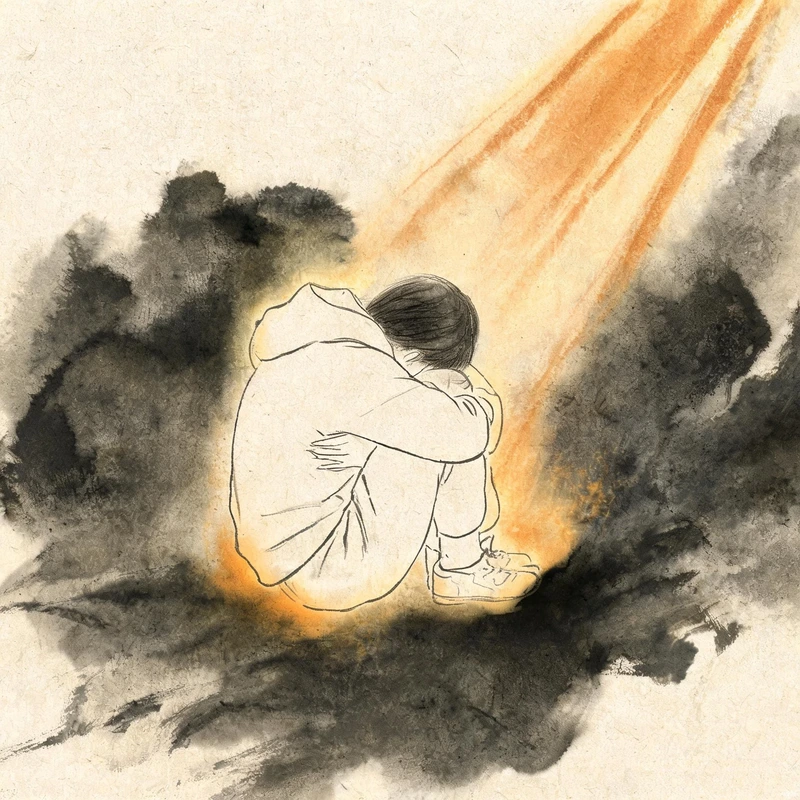
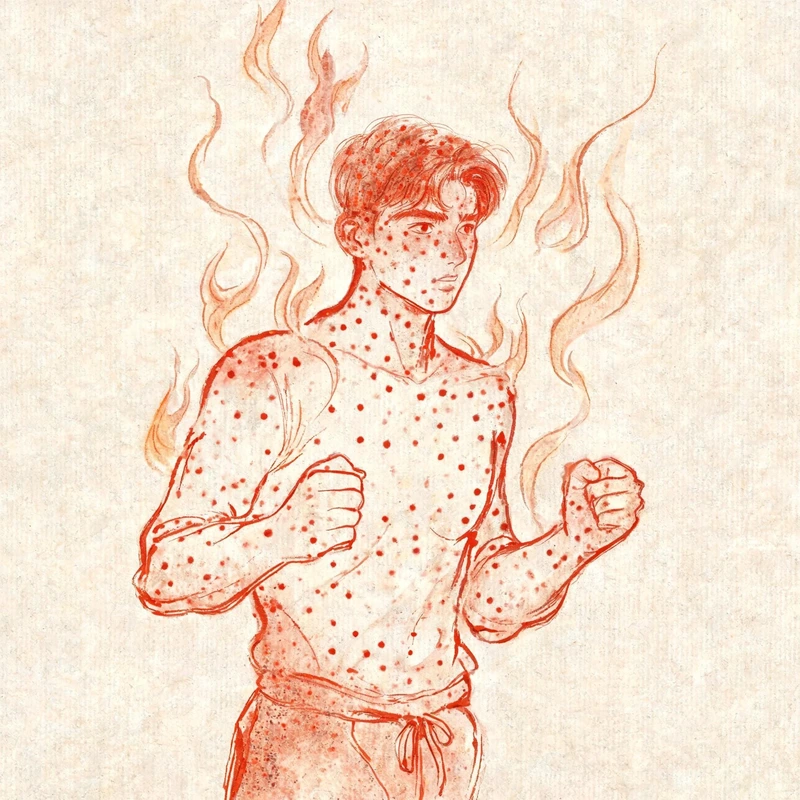
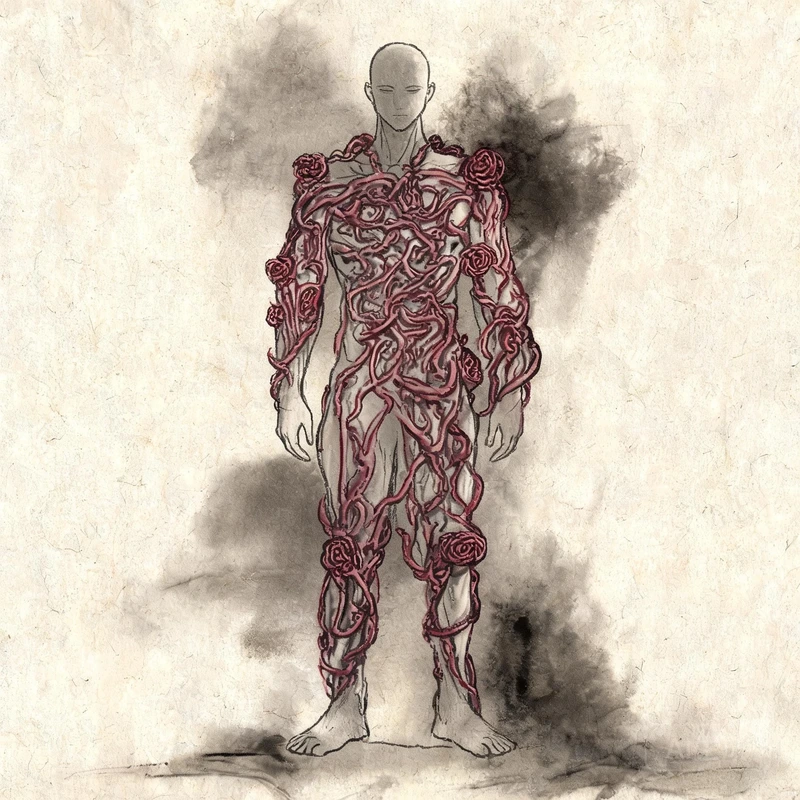
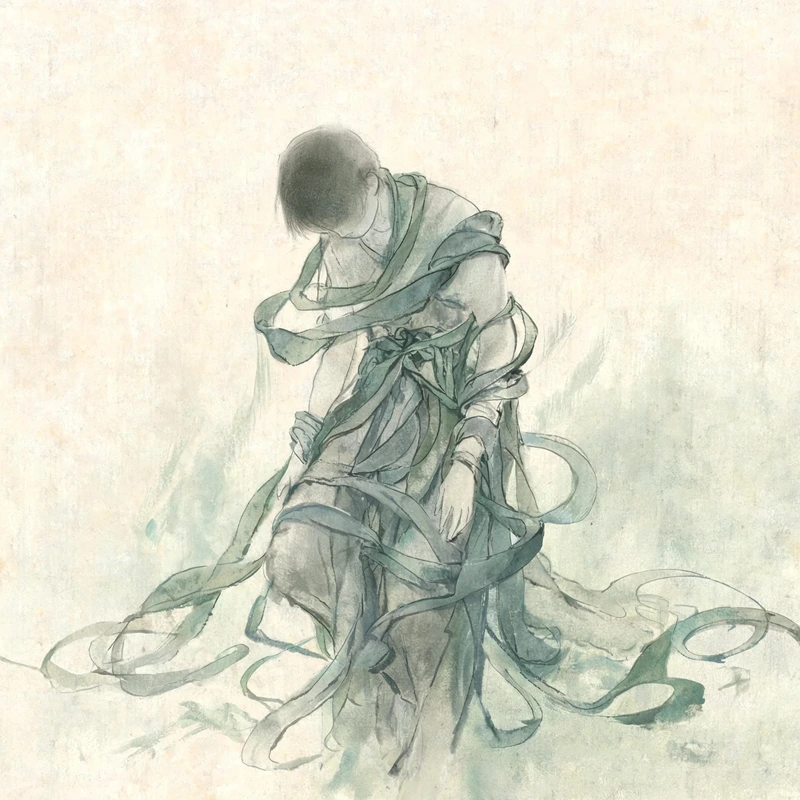
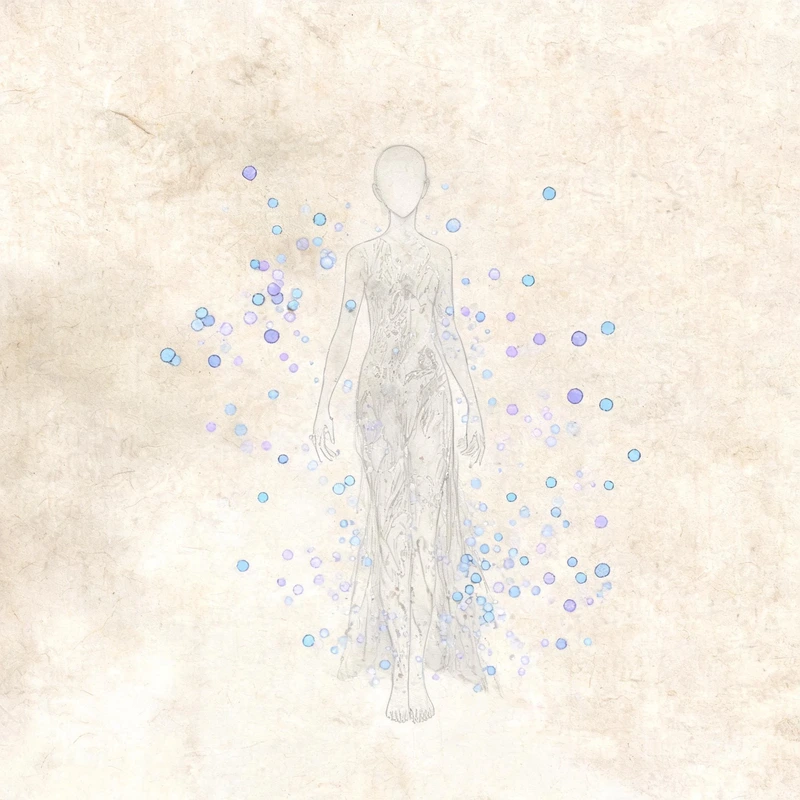
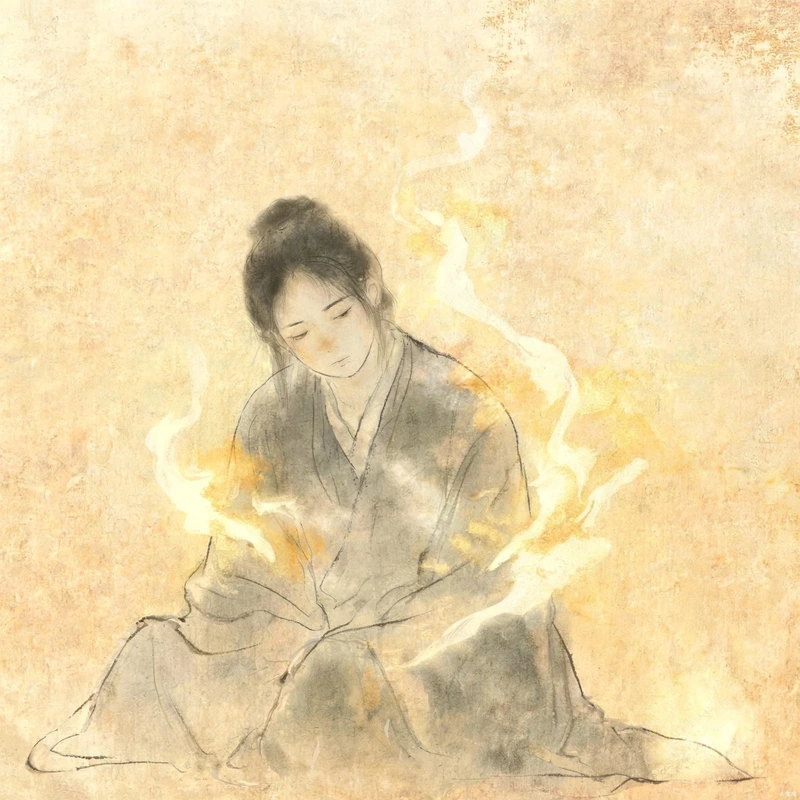
La Constitución por Deficiencia de Qi se caracteriza por Qi primordial insuficiente y función orgánica debilitada. Los signos comunes incluyen fatiga fácil, falta de aliento, voz baja, sudoración espontánea y resfriados frecuentes. El enfoque está en tonificar el Qi, fortalecer el Bazo y evitar el sobre-esfuerzo.
Rutina diaria
El mayor tabú para la Deficiencia de Qi es el „sobre-gasto“. Asegure un sueño adecuado, idealmente antes de las 23:00. Evite el ejercicio intenso y el trabajo de alta intensidad prolongado; equilibre actividad y descanso. Vístase apropiadamente y proteja cuello, espalda, ombligo y tobillos.
Plan alimentario
La dieta debe enfocarse en fortalecer el Bazo y tonificar el Qi. Coma regularmente ñame chino, semilla de loto, nuez de fox, dátiles rojos, astrágalo, codonopsis, judía jacinto, mijo, arroz, res y pollo. Prefiera estofar, hervir y cocinar al vapor; evite crudo, frío y grasoso. Coma porciones más pequeñas y mastique bien.
Movimiento y ejercicio
Elija ejercicio suave y evite sudar mucho. Recomendado: Baduanjin, Tai Chi, caminar, yoga y meditación de pie (Zhan Zhuang). De 20 a 30 minutos por sesión, hasta sentir el cuerpo cálido y la mente relajada. Manténgase abrigado antes y después.
Cuidado emocional
Las personas con Deficiencia de Qi deben evitar la preocupación excesiva. Cultive hobbies suaves como jardinería, caligrafía o escuchar música. Aprenda a decir no y reduzca obligaciones sociales agotadoras. Use meditación y respiración abdominal para calmar la mente.
 QX
QX
Quien conoce el arte de nutrir la vida toma el descanso como fundamento.
El mapa sigue en modo de ejemplo. Responde las 60 preguntas y solo entonces se encenderá tu verdadera página de resultados.
Coherencia de respuestas
FiabilidadLo que ves son datos de ejemplo. Tras las 60 preguntas, aquí aparecerán tu puntuación de fiabilidad y las contradicciones de tus respuestas.
Tus respuestas son coherentes: el resultado es una referencia sólida.
Mapa de nueve dimensiones
Puntuación transformada 0–100
Tu constitución de un vistazo
La Constitución por Deficiencia de Qi se caracteriza por Qi primordial insuficiente y función orgánica debilitada. Los signos comunes incluyen fatiga fácil, falta de aliento, voz baja, sudoración espontánea y resfriados frecuentes. El enfoque está en tonificar el Qi, fortalecer el Bazo y evitar el sobre-esfuerzo.
Tus fortalezas · Puntos de atención
Tus fortalezas
- Tranquilo, constante y detallista
- Buena resistencia bajo presión moderada
- Responden bien al cuidado constante
- Cómodos en ambientes cálidos
- Conscientes de la necesidad de restaurar energía
Puntos de atención
- Reserva de energía corta, se cansan fácilmente
- Inmunidad débil, propensos a resfriarse
- Debilidad digestiva y hinchazón
- Voz suave, pueden parecer poco asertivos
- Tendencia a postergar o dudar
Señales del cuerpo
Deficiencia de Qi often se siente como a phone running on low battery: tired easily, short of brcomerh, slow to recover, and prone to catching fríos.
Fatiga
Tired even after adequate dormir; voice may be soft.
Brcomerh
Shortness of brcomerh when climbing stairs or talking a lot.
Immunity
Catches fríos easily and recovers slowly.
Digestion
Bloating or loose stools after frío or raw food.
Meridianos y acupuntos
Deficiencia de Qi benefits from points that fortalecer Bazo and Pulmón Qi, apoyaring energía and digestión.
Zusanli (ST36)
Four finger-widths below the kneecap, one finger-width outside the shinbone.
Press 3-5 minutes diario, preferirably mañana.
Tonifies Qi and apoyars inmunidad.
Qihai (CV6)
Two finger-widths below the navel.
Warm palm masajear 5 minutes diario.
Boosts Qi, calientes the center.
Feishu (BL13)
Below the spinous process of the 3rd thoracic vertebra, 1.5 cun lateral.
Tap or press 2-3 minutes.
Supports respiratorio Qi.
Dietoterapia
Deficiencia de Qi needs caliente, easily digested foods that tonify the Bazo and Pulmón. Avoid frío bebers and raw salads.
Astrágalo & dátil rojo té
Huang qi (Astrágalo) with dátil rojos, simmered 20 minutes.
Tonifies Qi, apoyars inmunidad.ñame chino congee
Shan yao (ñame chino) with arroz porridge.
Strengthens Bazo Qi.Chicken sopa
Slow-cooked pollo with jengibre and goji.
Nourishes Qi y Sangre.Lotus seed & euryale
Qian shi and lian zi in congee.
Supports digestión and energía.Ritmo diario
-
6:30-7:30
Gentle wake-up
Lie in bed for 3 minutes of abdominal brcomerhing; rise slowly.
-
7:30-9:00
Warm desayuno
Millet or yam congee with egg; evitar frío food.
-
9:00-12:00
Stédy trabajar
Do important but low-stress tasks; descansar every 45 minutes.
-
12:00-13:30
Lunch
Bazo-apoyaring foods like pollo, calabaza, and arroz.
-
13:30-15:00
Rest
Close your eyes for 10-15 minutes after almuerzo.
-
15:00-18:00
Afternoon
Astrágalo té; stop and brcomerhe when tired.
-
18:00-19:30
Light cena
Easy-to-digest foods; comer to 70% fullness.
-
21:30-22:30
Prepare for dormir
Avoid overthinking; be in bed by 23:00.
Guía de ejercicio
Gentle, energía-construiring moversement is better than high-intensity trabajarouts. Stop before exhaustion.
Best choices
- Ba Duan Jin (Eight Pieces of Brocade)
- Tai Chi
- Gentle caminaring
- Standing meditation (Zhan Zhuang)
Pacing consejos
- Exercise at 50-60% effort
- Warm up longer
- Avoid late-noche trabajarouts
Consejos de dieta · Consejos de movimiento
Consejos de dieta
- The Deficiencia de Qi diet should be “caliente, tonifying but not drying, easy to digest and not greasy.” Choose mijo, arroz, glutinous arroz, ñame chino, and sweet potato as staples.
- Good proteins incluir pollo, res, crucian carp, and tofu, best stewed until tender.Useful food remedies: ñame chino and lotus-seed porridge;
- astragalus and codonopsis pollo sopa;
- dátil rojo and longan té.
- In summer, añadir hyacinth bean and coix seed to fortalecer the Bazo and drain humedad;
- in winter, añadir a little jengibre and canela to caliente Yang and apoyar Qi.Avoid frío fruits and bebers, iced beverages, greasy barbecue, excessive spice, and too much coffee or strong té, as they further damage Bazo Qi.
Consejos de movimiento
- Exercise should follow the principle “mild fire generates Qi, strong fire consumes Qi.” Moderate moversement construirs Qi;
- excessive swcomering depletes it.
- Best choices are Baduanjin moversements “Holding Heaven” and “Regulating Bazo and Stomach,” plus Tai Chi, Wu Qin Xi, and caminaring.Walk 30 minutes diario at a pace where you can still talk comfortably.
- Avoid sudden long-distance running, high-intensity HIIT, or caluroso yoga that causes profuse swcomering.
- After ejercicio, beber caliente ligeroly salted water or dátil rojo té to replenish fluids.
Cuidado emocional
- Deficiencia de Qi can lead to feelings of powerlessness, anxiety, or self-doubt.
- Break objetivos into small steps and celebrate each completion.
- Avoid pushing yourself with “musts” and “shoulds.” Spend time with apoyarive, positive people and reducir socially draining events.
Curva de emoción y energía física
Las puntuaciones muestran cómo la emoción y la energía física de este patrón se mueven con las estaciones — solo para observación personal.
Relaciones sociales
Deficiencia de Qi often shows up in social life as limited "people energía." You may enjoy company but need longer recovery time. Protecting your social budget is part of protegering your health.
Settings that suit you
- Small, low-key gatherings
- One-on-one caminars instéd of big parties
- Short, structured meetings
- Supportive, low-drama relationships
Watch out for
- Long cenas or parties that run late
- Loud, crowded environments
- Friends who expect constant availability
- Let people know you recharge best in quiet settings.
- Keep responses honest but suave: "I would love to, but I need an early noche."
- Ask for help before you are exhausted.
- Avoid over-explaining; a simple boundary is enough.
Limit noche outings to 1-2 per week.
Leave events when your energía drops.
Protect mañana descansar; do not let social plans override dormir.
Deficiencia de Qi is not shyness or laziness. It es una real energía limit. Good friends will respect your rhythm when you explain it clearly.
Consejos laborales
At trabajar, allocate energía wisely. Schedule the most demanding tasks in the mañana when energía is higher, and routine tasks in the tarde. Stand up, estirar, or look into the distance every 45 minutes. Before speaking in meetings, take three deep brcomerhs to apoyar voice and presence.
Entorno del hogar
Deficiencia de Qi benefits from a home that protegers calor and reducirs exertion. Think of your living space as a recharge station rather than a showcase.
- Sleep in a draft-free room with extra blankets.
- Avoid dormiring near an open window or strong air conditioning.
- Rise slowly and sit on the edge of the bed before standing.
- Keep easy-to-digest foods within reach: mijo, yam, dátil rojos, eggs.
- Prepare caliente sopas and congees in batches.
- Avoid a fridge full of frío bebers and raw salads.
- Crcomere a descansar corner with a apoyarive chair or cushion.
- Keep frequently used items at waist height to save energía.
- Work in short enfoqueed blocks with descansos.
- Take caliente showers rather than frío ones.
- Dry hair and feet promptly.
- Keep slippers and a caliente robe nearby.
Small reductions in physical effort añadir up. A Qi-friendly home minimizes the number of "energía leaks" in your day.
Cuidado estacional
In spring, nourish gently rather than suddenly tonifying strongly; comer sprouts, chives, and shepherd’s purse. In summer, calor and swcomer consume Qi, so proteger fluids and evitar long exposure to air conditioning. In autumn, moisten the lungs and tonify Qi with lilio, snow fungus, and pear. In winter, enfoque on mantenering caliente and caliente supplementation; foot soaks and waist calienteers are especially helpful.
Rituales diarios
Masaje lumbar matutino
Caliente las manos y masajee el área renal en la parte baja de la espalda 1–2 minutos para apoyar el Qi primordial.
Té de astrágalo y dátiles
Infusione 5g de astrágalo y 2 dátiles rojos como té diurno (suspender durante resfriados).
Siesta breve
Cierre los ojos 15–20 minutos después del almuerzo para evitar bajones por la tarde.
Ajustes rápidos
Cuando la deficiencia de Qi te deja bajo, usa estos restores rápidos.
Una taza caliente para reponer el Qi rápidamente.
Reduce el gasto de Qi y recupera la energía.
Tonifica el Qi y alivia la falta de aliento.
Respiración abdominal lenta 5 veces.
Plan de cuatro semanas
Deficiencia de Qi se siente como a low-battery phone: tired easily, short of brcomerh, slow to recover. El núcleo es "reducir drain, construir reserves, fortalecer Bazo Qi." Este plan de cuatro semanas starts with cutting unnecessary expenditure and gradually construirs Qi through diet, moversement, and descansar.
Detener la fuga: Reducir el gasto de Qi
Deficiencia de Qi worsens with late noches, over-ejercicio, and overthinking. Semana uno es unabout learning to pause.
Goals
- Sleep by 23:00 nochely
- Cancel or reducir 1-2 non-essential tasks
- Recognize the signs of hitting your energía limit
Daily routine
- Lie in bed for 3 minutes of abdominal brcomerhing
- Rise slowly to evitar dizziness
- Warm, easy desayuno: mijo congee, yam, egg
- Take a 5-minute descanso every 45 minutes of mental trabajar
- Lunch enfoquees on Bazo-Qi foods like astragalus pollo
- Sit or caminar slowly after comering; no vigorous activity
- Afternoon té: dátil rojo and goji or codonopsis té
- Close eyes and descansar 5-10 minutes when tired
- Light cena to 70% fullness
- Avoid pesado ejercicio and overthinking; prepare for bed by 22:30
Weekly tasks
- List "must do" and "can skip" items; prioritize descansar
- Log energía 1-10 diario to find low points
- Stock Qi-tonic foods: yam, dátil rojos, astragalus, codonopsis, lotus seed, euryale
Milestones
- Sleep by 23:00 for 3 consecutive days
- Name your 2 lowest-energía periods of the day
Fortalecer el Bazo: Construir la base con la comida
The Bazo es la source of Qi y Sangre. Avoid frío, raw, and greasy foods that further weaken it.
Goals
- Eat at least one Bazo-fortalecering food diario
- Avoid frío bebers and raw fruit for the whole week
- Chew thoroughly at every meal
Daily routine
- Warm yam and dátil rojo water on an empty estómago
- 5 minutes of suave Ba Duan Jin or standing meditation
- Breakfast must incluir grain + protein
- Avoid high-intensity meetings in the mañana
- Lunch: res, pollo, or crucian carp
- Close eyes for 10 minutes after comering
- Astrágalo and goji té when fatigued
- Stand and moverse 2-3 minutes every hour
- Dinner: congee, noodles, or stewed dishes
- No food 2 hours before bed
Weekly tasks
- Learn 2-3 Qi-tonic recipes like astragalus té and yam lotus congee
- Reduce takeout and raw salads; comer caliente cooked food
- Log meals and note which cause bloating or fatigue
Milestones
- 5 consecutive days without frío bebers or raw fruit
- Find 2-3 Qi-friendly foods you genuinely enjoy
Elevar Yang: Añadir movimiento suave
Deficiencia de Qi does not mean no ejercicio; it significa que right ejercicio at the right intensity.
Goals
- Exercise 3-4 times semanal, 20-30 minutes each
- Keep intensity at "sligeroly caliente, can still talk"
- Warm up and beber caliente water after ejercicio
Daily routine
- 3 minutes of deep brcomerhing and estirares in bed
- Wait 30 minutes after desayuno before activity
- Schedule important but low-physical tasks in the mañana
- Move or do Ba Duan Jin for 5 minutes every hour
- Eat moderadoly to evitar tarde drowsiness
- Walk 10-15 minutes after almuerzo
- 10 minutes of standing or tai chi when tired
- If exercising, choose 15:00-17:00
- Light activity after cena
- Foot soak 15 minutes at ~40°C
Weekly tasks
- Choose 1-2 suitable ejercicios: tai chi, Ba Duan Jin, brisk caminaring, yoga
- Prepare caliente clothes and a thermos for post-trabajarout
- Log recovery time after ejercicio to evitar overdoing it
Milestones
- Complete 3 suave trabajarouts and still feel okay
- No post-ejercicio fatigue spike or insomnia
Proteger: Construir un sistema antigasto a largo plazo
Deficiencia de Qi fears repcomered depletion. Semana cuatro integrates the first three weeks into a sustainable system.
Goals
- Form a stable rhythm of dormir, diet, and moversement
- Crcomere a fatigue early-warning system
- Set Qi-care priorities for the next month
Daily routine
- Fixed mañana ritual: caliente water, brcomerhing, suave moversement
- Estimate energía allocation for the day
- Qi-tonic desayuno like yam congee or dátil rojo soy milk
- Focus on important tasks; evitar multitapielg
- Rest 10-15 minutes after almuerzo
- Avoid meetings or complex tasks right after comering
- Qi té like codonopsis and dátil rojos
- When energía drops, do easy tasks first
- Light cena to 80% fullness
- 10-minute relaxation; in bed by 22:30
Weekly tasks
- Write your Deficiencia de Qi care list: foods, activities, and things to evitar
- Talk to family or colleagues about your energía rhythm
- Book a checkup or TCM consultation to review progress
Milestones
- Sleep by 23:00 for 7 consecutive days
- Name your 3 "Qi drain traps" and how to handle them
The biggest mistake in Deficiencia de Qi care is "tonifying while draining." No tonic can outrun late noches, anxiety, and overcomering. Trcomer "doing less" as a wellness skill and give yourself space to recover.
Lectura profunda
Deficiencia de Qi is one of the most common modern Constitucións. Understanding why your energía runs low can help you reconstruir reserves without burning out.
What is Deficiencia de Qi?
Qi es la vital energía that powers moversement, digestión, inmunidad, and thinking. Deficiencia de Qi significa this energía is insufficient or poorly distributed. In TCM, the Bazo and Pulmón are especially important because the Bazo produces Qi from food and the Pulmón governs respiratorio and Qi defensivo. When Qi is weak, you tire easily, speak softly, brcomerhe shallowly, catch fríos frequently, and recover slowly. Digestion may be sluggish, with bloating or loose stools after frío or raw food.
Why does it develop?
Deficiencia de Qi often develops from chronic overtrabajar, insufficient dormir, poor diet, frequent illness, or emotional exhaustion. Modern lifestyles contribute: skipping desayuno, comering frío salads year-round, sitting too long, over-exercising, and chronic stress all deplete Qi. Some people are born with weaker Qi, especially if parents were exhausted or unwell during pregnancy. Over time, the body's capacity to generate and distribute energía falls behind demand.
Daily clues of Deficiencia de Qi
You feel tired even after a full noche's dormir. Climbing a fligero of stairs leaves you brcomerhless. Your voice is soft and you preferir not to talk too much. You catch fríos easily and they linger. Afternoon energía crashes are common. You may dislike frío bebers and raw food because they make digestión uncomfortable. Decision-making can feel effortful because mental activity also consumes Qi.
Core care principles
The first rule is to stop depleting before you tonify. Prioritize dormir, caliente cooked food, and suave moversement. Tonics such as astragalus, codonopsis, ñame chino, dátil rojos, and lotus seed can help, but only if you also reducir drain. Avoid frío bebers, raw food, late noches, and overthinking. Exercise should be suave and energizing, not exhausting. Short, frequent descansar descansos proteger Qi better than occasional long vacations.
Common misunderstandings
Many people think Deficiencia de Qi just needs more coffee or protein. Coffee borrows energía rather than construiring it; protein alone does not añadirress the Bazo's digestive fire. Another myth is that more ejercicio always helps. In Deficiencia de Qi, excessive ejercicio can deepen exhaustion. Rest and recovery are active parts of trcomerment, not laziness.
Long-term outlook
Deficiencia de Qi usually improves stédily with consistent care. Most people notice better energía within weeks of improving dormir and diet, and stronger inmunidad within a few months. El objetivo es not to become hyper-energetic but to have enough reserve for diario life. Maintaining boundaries around trabajar and descansar prevents relapse.
Deficiencia de Qi improves when you trcomer descansar as productive. Build your energía budget before spending it.
Constitución mixta
La mayoría de las personas tienen una constitución mixta — rara vez un tipo puro. El estándar nacional (ZYYXH/T157-2009) clasifica una constitución como «sí» cuando su puntuación transformada llega a 40, y como «tendencia» entre 30 y 39. Regula primero la dominante y luego la secundaria.
Mezclas comunes:El déficit de qi suele coincidir con el déficit de yang (ambos por baja vitalidad). Primero tonifica qi, luego calienta yang.
Tu mezcla exacta se muestra al terminar el test — esta es la imagen general del tipo Constitución de Deficiencia de Qi.

Una nota de Bong
<p>Deficiencia de Qi is not laziness. It is your body apielg you to trcomer yourself more gently. Tonifying Qi is not a one-day event; it es la accumulation of each meal, each early noche, and each caminar. Slow and stédy wins.</p>
Pregunta a la IA sobre tu resultado
Copia el prompt con tus respuestas y resultado para una lectura más profunda.
Esto es un informe de ejemplo. Responde las 60 preguntas para generar tu propio retrato.
¿Repetir el test?
Tu constitución cambia con las estaciones, el estrés y la dieta. Vuelve a hacerlo más adelante.