Qi Deficiency Constitution
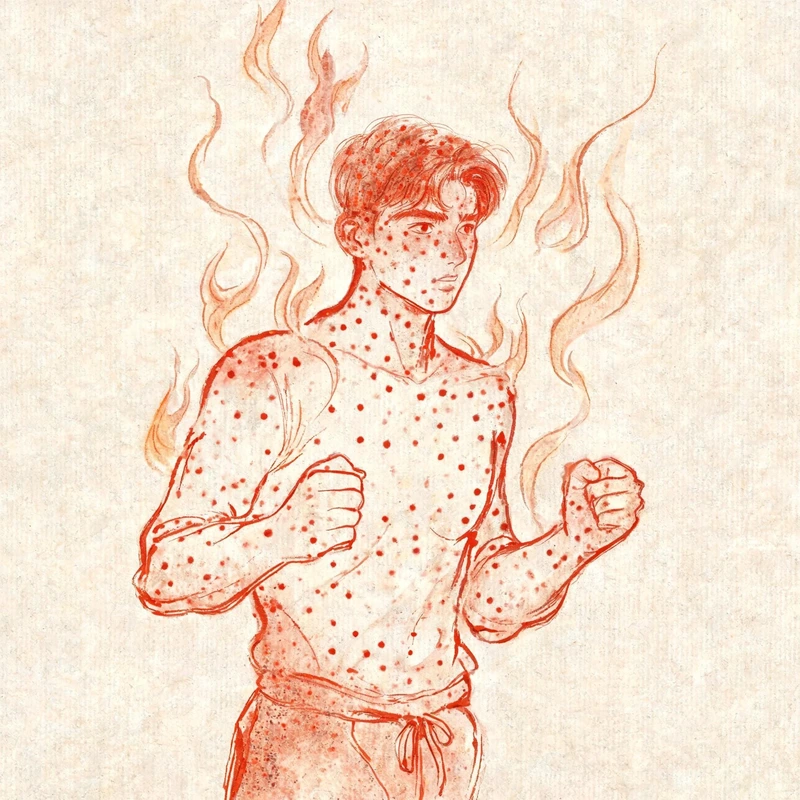
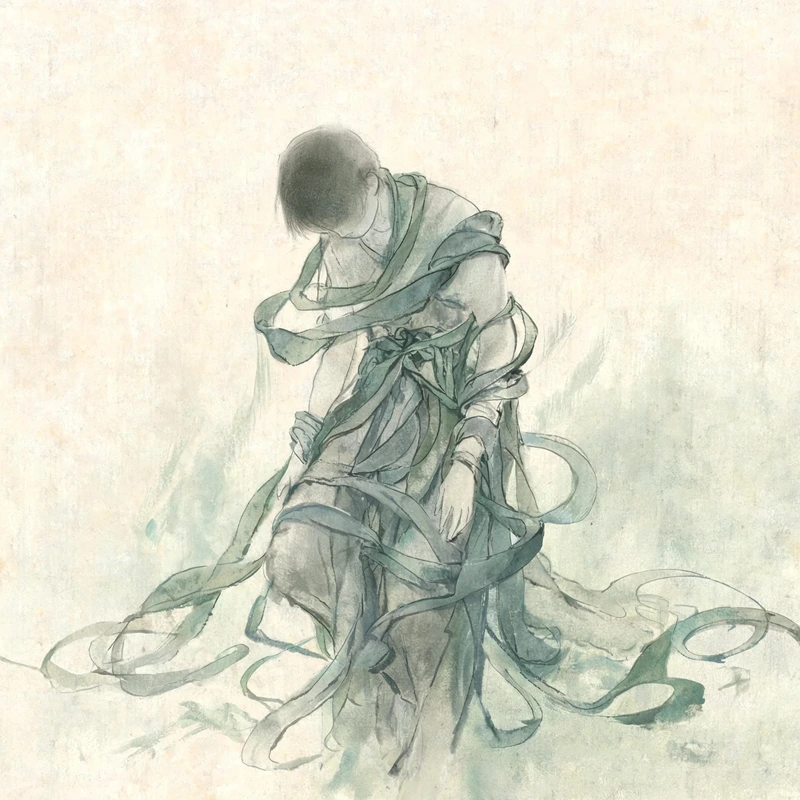
Qi Deficiency Constitution is marked by insufficient primordial Qi and somewhat weakened organ function. Common signs include easy fatigue, shortness of breath, low voice, spontaneous sweating, and frequent colds. The focus is on tonifying Qi, strengthening the Spleen, and avoiding overexertion.
Daily Routine
The biggest taboo for Qi Deficiency is “overdraft.” Ensure adequate sleep, ideally before 23:00. Avoid intense exercise and prolonged high-intensity work; balance activity with rest. Dress appropriately for weather changes, and protect the neck, back, navel, and ankles.
Dietary Plan
The diet should focus on strengthening the Spleen and tonifying Qi. Regularly eat Chinese yam, lotus seed, fox nut, red dates, astragalus, codonopsis, hyacinth bean, millet, rice, beef, and chicken. Prefer stewing, boiling, and steaming; avoid raw, cold, and greasy foods. Eat smaller, more frequent meals and chew thoroughly.
Movement & Exercise
Choose gentle exercise and avoid heavy sweating. Recommend Baduanjin, Tai Chi, walking, yoga, and standing meditation (Zhan Zhuang). Twenty to thirty minutes per session, until the body feels gently warm and the mind relaxed. Keep warm before and after exercise.
Emotional Care
People with Qi Deficiency should avoid excessive worrying and rumination. Cultivate gentle hobbies such as gardening, calligraphy, or listening to music. Learn to say no and reduce draining social obligations. Use meditation and abdominal breathing to calm the mind when needed.
 QX
QX
Those who know the way of nourishing life take rest as the foundation. — Traditional saying
The map is still a sample. Complete the 60 questions, and this page will light up with a result made just for you.
Answer consistency
ReliabilityWhat you see now is sample data. After the 60 questions, this card shows your personal reliability score and any contradictions in your answers.
Your answers are consistent — the result is a solid reference.
Nine-dimension map
Converted score 0–100
Constitution at a glance
Qi Deficiency means the body’s basic fuel runs low and organ function is somewhat weakened. The common signs are easy fatigue, shortness of breath, a soft voice, spontaneous sweating, and catching colds often. The work is to tonify Qi, strengthen the Spleen, and stop spending more than you make.
Where it shows
Tiredness that rest does not fully fix, breathlessness on mild exertion, a quiet voice, and sweating without real effort.
What is actually happening
In TCM terms the Spleen is under-powered: it extracts less from food, so the tank never quite fills.
What it responds to
Warm, easy-to-digest food, gentle regular movement, and finishing the day with something left in reserve.
Your strengths · Watch-outs
Your strengths
- Calm and detail-orientedYou notice what others rush past, and steady work suits you.
- Good endurance under moderate pressureA sustainable pace is more available to you than bursts of intensity.
- Responds well to consistent careSmall habits, kept daily, move the needle noticeably for you.
- Comfortable in warm environmentsWarmth — of rooms, food, and company — visibly improves how you feel.
- Honest about needing restYou know early when the tank is low, which is a genuine advantage.
Watch-outs
- Short energy reserveThe tank empties quickly, and recovery takes longer than you would like.
- Weaker immunityColds arrive more often and linger longer than for others.
- Delicate digestionBloating and loose stools are common, especially after cold or raw food.
- Soft voice, easily overlookedA quiet presence can read as uncertainty in meetings.
- Prone to hesitationWhen energy is short, starting feels harder than doing.
Body signals
Qi Deficiency often feels like a phone running on low battery: tired easily, short of breath, slow to recover, and prone to catching colds.
Fatigue
Tired even after adequate sleep; voice may be soft.
Breath
Shortness of breath when climbing stairs or talking a lot.
Immunity
Catches colds easily and recovers slowly.
Digestion
Bloating or loose stools after cold or raw food.
Meridians & acupoints
Qi Deficiency benefits from points that strengthen Spleen and Lung Qi, supporting energy and digestion.
Zusanli (ST36)
Four finger-widths below the kneecap, one finger-width outside the shinbone.
Press 3-5 minutes daily, preferably morning.
Tonifies Qi and supports immunity.
Qihai (CV6)
Two finger-widths below the navel.
Warm palm massage 5 minutes daily.
Boosts Qi, warms the center.
Feishu (BL13)
Below the spinous process of the 3rd thoracic vertebra, 1.5 cun lateral.
Tap or press 2-3 minutes.
Supports respiratory Qi.
Food therapy
Qi Deficiency needs warm, easily digested foods that tonify the Spleen and Lung. Avoid cold drinks and raw salads.
Astragalus & red date tea
Huang qi (Astragalus) with red dates, simmered 20 minutes.
Tonifies Qi, supports immunity.Chinese yam congee
Shan yao (Chinese yam) with rice porridge.
Strengthens Spleen Qi.Chicken soup
Slow-cooked chicken with ginger and goji.
Nourishes Qi and Blood.Lotus seed & euryale
Qian shi and lian zi in congee.
Supports digestion and energy.Daily rhythm
-
6:30-7:30
Gentle wake-up
Lie in bed for 3 minutes of abdominal breathing; rise slowly.
-
7:30-9:00
Warm breakfast
Millet or yam congee with egg; avoid cold food.
-
9:00-12:00
Steady work
Do important but low-stress tasks; rest every 45 minutes.
-
12:00-13:30
Lunch
Spleen-supporting foods like chicken, pumpkin, and rice.
-
13:30-15:00
Rest
Close your eyes for 10-15 minutes after lunch.
-
15:00-18:00
Afternoon
Astragalus tea; stop and breathe when tired.
-
18:00-19:30
Light dinner
Easy-to-digest foods; eat to 70% fullness.
-
21:30-22:30
Prepare for sleep
Avoid overthinking; be in bed by 23:00.
Exercise guidance
Gentle, energy-building movement is better than high-intensity workouts. Stop before exhaustion.
Best choices
- Ba Duan Jin (Eight Pieces of Brocade)
- Tai Chi
- Gentle walking
- Standing meditation (Zhan Zhuang)
Pacing tips
- Exercise at 50-60% effort
- Warm up longer
- Avoid late-night workouts
Diet tips · Movement tips
Diet tips
The Qi Deficiency plate should be warm, gently tonifying without being drying, and easy to digest rather than rich.
Everyday staples
- Millet, rice, glutinous rice, Chinese yam, and sweet potato as the base.
- Chicken, beef, crucian carp, and tofu — best braised or stewed until tender.
Worth adding
- Chinese yam and lotus-seed porridge; astragalus and codonopsis chicken soup; red date and longan tea.
- In summer add hyacinth bean and coix seed to strengthen the Spleen and drain dampness; in winter a little ginger and cinnamon to warm Yang.
Worth limiting
- Cold fruits and iced drinks, which further damage Spleen Qi.
- Greasy barbecue, heavy spice, and too much coffee or strong tea.
Movement tips
The guiding principle: mild fire generates Qi, strong fire consumes it. Moderate movement builds; heavy sweating spends.
What suits you
- Baduanjin — especially "Holding Heaven" and "Regulating Spleen and Stomach" — plus Tai Chi, Wu Qin Xi, and walking.
- Walk about 30 minutes daily at a pace where you can still talk comfortably.
Where to stop
- Avoid sudden long-distance running, high-intensity HIIT, or hot yoga that leaves you drenched.
- Afterwards, drink warm lightly salted water or red date tea rather than something cold.
Emotional care
Low Qi often arrives as a feeling of powerlessness — anxiety, self-doubt, the sense of falling behind. Treat it as an energy problem, not a character flaw.
Shrink the unit of effort
- Break goals into steps small enough to finish, then acknowledge each completion.
- Momentum builds from finished things, not from ambitious plans.
Drop the “must” and “should”
- Pushing yourself with obligation language spends Qi you do not have.
- Trade "I must" for "the next small thing is".
Choose your company
- Spend time with people who are steady and supportive.
- Reduce socially draining events — small talk has a real cost when energy is short.
Protect the margin
- End the day with something unspent rather than completely emptied.
- Recovery is not a reward for finishing; it is what makes finishing possible.
When Qi is low, the smallest finished thing counts more than the grandest plan.
Emotion & physical-energy curve
Scores show how this pattern's emotional and physical energy moves over time — for self-observation only.
Social relations
Qi Deficiency often shows up in social life as limited "people energy." You may enjoy company but need longer recovery time. Protecting your social budget is part of protecting your health.
Settings that suit you
- Small, low-key gatherings
- One-on-one walks instead of big parties
- Short, structured meetings
- Supportive, low-drama relationships
Watch out for
- Long dinners or parties that run late
- Loud, crowded environments
- Friends who expect constant availability
- Let people know you recharge best in quiet settings.
- Keep responses honest but gentle: "I would love to, but I need an early night."
- Ask for help before you are exhausted.
- Avoid over-explaining; a simple boundary is enough.
Limit evening outings to 1-2 per week.
Leave events when your energy drops.
Protect morning rest; do not let social plans override sleep.
Qi Deficiency is not shyness or laziness. It is a real energy limit. Good friends will respect your rhythm when you explain it clearly.
Workplace tips
At work, the task is energy allocation — spend the best hours on the hardest things.
A workable daily rhythm
- Put demanding tasks in the morning, when energy is highest.
- Reserve afternoons for routine and administrative work.
- Stand, stretch, or look into the distance every 45 minutes.
- Take three slow breaths before speaking in meetings to support voice and presence.
Keep warm and draught-free
Avoid sitting directly under air-conditioning; keep a layer and a warm drink within reach.
Work in honest blocks
Short, defined periods of focus beat long sittings that end in depletion.
Build in a midday pause
A brief rest after lunch costs twenty minutes and buys back the afternoon.
Home environment
Qi Deficiency benefits from a home that protects warmth and reduces exertion. Think of your living space as a recharge station rather than a showcase.
- Sleep in a draft-free room with extra blankets.
- Avoid sleeping near an open window or strong air conditioning.
- Rise slowly and sit on the edge of the bed before standing.
- Keep easy-to-digest foods within reach: millet, yam, red dates, eggs.
- Prepare warm soups and congees in batches.
- Avoid a fridge full of cold drinks and raw salads.
- Create a rest corner with a supportive chair or cushion.
- Keep frequently used items at waist height to save energy.
- Work in short focused blocks with breaks.
- Take warm showers rather than cold ones.
- Dry hair and feet promptly.
- Keep slippers and a warm robe nearby.
Small reductions in physical effort add up. A Qi-friendly home minimizes the number of "energy leaks" in your day.
Seasonal care
Qi Deficiency follows the seasons closely: each one asks for a slightly different kind of protection.
Spring
Nourish gently rather than tonifying hard all at once; sprouts, chives, and shepherd’s purse suit the season.
Summer
Heat and sweat consume Qi — protect fluids and avoid long stretches in air-conditioning.
Autumn
Moisten the lungs and tonify Qi with lily bulb, snow fungus, and pear.
Winter
Focus on warmth and gentle warm supplementation; foot soaks and a waist warmer help more than they sound.
Daily rituals
Morning waist rub
Warm your hands and massage the kidney area at the lower back for 1–2 minutes to support primordial Qi.
Astragalus and red-date tea
Steep 5g astragalus and 2 red dates as daytime tea to boost energy (stop during colds).
Midday micro-nap
Close your eyes for 15–20 minutes after lunch to prevent afternoon crashes.
Quick resets
When Qi Deficiency leaves you low, use these quick restores.
A warm cup to replenish Qi quickly.
Reduce Qi expenditure and recover energy.
Boosts Qi and eases shortness of breath.
Slow abdominal breathing 5 times.
Four-week plan
Qi Deficiency feels like a low-battery phone: tired easily, short of breath, slow to recover. The core is "reduce drain, build reserves, strengthen Spleen Qi." This 4-week plan starts with cutting unnecessary expenditure and gradually builds Qi through diet, movement, and rest.
Stop the leak: Reduce Qi drain
Qi Deficiency worsens with late nights, over-exercise, and overthinking. Week one is about learning to pause.
Goals
- Sleep by 23:00 nightly
- Cancel or reduce 1-2 non-essential tasks
- Recognize the signs of hitting your energy limit
Daily routine
- Lie in bed for 3 minutes of abdominal breathing
- Rise slowly to avoid dizziness
- Warm, easy breakfast: millet congee, yam, egg
- Take a 5-minute break every 45 minutes of mental work
- Lunch focuses on Spleen-Qi foods like astragalus chicken
- Sit or walk slowly after eating; no vigorous activity
- Afternoon tea: red date and goji or codonopsis tea
- Close eyes and rest 5-10 minutes when tired
- Light dinner to 70% fullness
- Avoid heavy exercise and overthinking; prepare for bed by 22:30
Weekly tasks
- List "must do" and "can skip" items; prioritize rest
- Log energy 1-10 daily to find low points
- Stock Qi-tonic foods: yam, red dates, astragalus, codonopsis, lotus seed, euryale
Milestones
- Sleep by 23:00 for 3 consecutive days
- Name your 2 lowest-energy periods of the day
Strengthen Spleen: Build the foundation with food
The Spleen is the source of Qi and Blood. Avoid cold, raw, and greasy foods that further weaken it.
Goals
- Eat at least one Spleen-strengthening food daily
- Avoid cold drinks and raw fruit for the whole week
- Chew thoroughly at every meal
Daily routine
- Warm yam and red date water on an empty stomach
- 5 minutes of gentle Ba Duan Jin or standing meditation
- Breakfast must include grain + protein
- Avoid high-intensity meetings in the morning
- Lunch: beef, chicken, or crucian carp
- Close eyes for 10 minutes after eating
- Astragalus and goji tea when fatigued
- Stand and move 2-3 minutes every hour
- Dinner: congee, noodles, or stewed dishes
- No food 2 hours before bed
Weekly tasks
- Learn 2-3 Qi-tonic recipes like astragalus tea and yam lotus congee
- Reduce takeout and raw salads; eat warm cooked food
- Log meals and note which cause bloating or fatigue
Milestones
- 5 consecutive days without cold drinks or raw fruit
- Find 2-3 Qi-friendly foods you genuinely enjoy
Lift Yang: Add gentle movement
Qi Deficiency does not mean no exercise; it means the right exercise at the right intensity.
Goals
- Exercise 3-4 times weekly, 20-30 minutes each
- Keep intensity at "slightly warm, can still talk"
- Warm up and drink warm water after exercise
Daily routine
- 3 minutes of deep breathing and stretches in bed
- Wait 30 minutes after breakfast before activity
- Schedule important but low-physical tasks in the morning
- Move or do Ba Duan Jin for 5 minutes every hour
- Eat moderately to avoid afternoon drowsiness
- Walk 10-15 minutes after lunch
- 10 minutes of standing or tai chi when tired
- If exercising, choose 15:00-17:00
- Light activity after dinner
- Foot soak 15 minutes at ~40°C
Weekly tasks
- Choose 1-2 suitable exercises: tai chi, Ba Duan Jin, brisk walking, yoga
- Prepare warm clothes and a thermos for post-workout
- Log recovery time after exercise to avoid overdoing it
Milestones
- Complete 3 gentle workouts and still feel okay
- No post-exercise fatigue spike or insomnia
Protect: Build a long-term anti-drain system
Qi Deficiency fears repeated depletion. Week four integrates the first three weeks into a sustainable system.
Goals
- Form a stable rhythm of sleep, diet, and movement
- Create a fatigue early-warning system
- Set Qi-care priorities for the next month
Daily routine
- Fixed morning ritual: warm water, breathing, gentle movement
- Estimate energy allocation for the day
- Qi-tonic breakfast like yam congee or red date soy milk
- Focus on important tasks; avoid multitasking
- Rest 10-15 minutes after lunch
- Avoid meetings or complex tasks right after eating
- Qi tea like codonopsis and red dates
- When energy drops, do easy tasks first
- Light dinner to 80% fullness
- 10-minute relaxation; in bed by 22:30
Weekly tasks
- Write your Qi Deficiency care list: foods, activities, and things to avoid
- Talk to family or colleagues about your energy rhythm
- Book a checkup or TCM consultation to review progress
Milestones
- Sleep by 23:00 for 7 consecutive days
- Name your 3 "Qi drain traps" and how to handle them
The biggest mistake in Qi Deficiency care is "tonifying while draining." No tonic can outrun late nights, anxiety, and overeating. Treat "doing less" as a wellness skill and give yourself space to recover.
Deep reading
Qi Deficiency is one of the most common modern constitutions. Understanding why your energy runs low can help you rebuild reserves without burning out.
What is Qi Deficiency?
Qi is the vital energy that powers movement, digestion, immunity, and thinking. Qi Deficiency means this energy is insufficient or poorly distributed. In TCM, the Spleen and Lung are especially important because the Spleen produces Qi from food and the Lung governs respiratory and defensive Qi. When Qi is weak, you tire easily, speak softly, breathe shallowly, catch colds frequently, and recover slowly. Digestion may be sluggish, with bloating or loose stools after cold or raw food.
Why does it develop?
Qi Deficiency often develops from chronic overwork, insufficient sleep, poor diet, frequent illness, or emotional exhaustion. Modern lifestyles contribute: skipping breakfast, eating cold salads year-round, sitting too long, over-exercising, and chronic stress all deplete Qi. Some people are born with weaker Qi, especially if parents were exhausted or unwell during pregnancy. Over time, the body's capacity to generate and distribute energy falls behind demand.
Daily clues of Qi Deficiency
You feel tired even after a full night's sleep. Climbing a flight of stairs leaves you breathless. Your voice is soft and you prefer not to talk too much. You catch colds easily and they linger. Afternoon energy crashes are common. You may dislike cold drinks and raw food because they make digestion uncomfortable. Decision-making can feel effortful because mental activity also consumes Qi.
Core care principles
The first rule is to stop depleting before you tonify. Prioritize sleep, warm cooked food, and gentle movement. Tonics such as astragalus, codonopsis, Chinese yam, red dates, and lotus seed can help, but only if you also reduce drain. Avoid cold drinks, raw food, late nights, and overthinking. Exercise should be gentle and energizing, not exhausting. Short, frequent rest breaks protect Qi better than occasional long vacations.
Common misunderstandings
Many people think Qi Deficiency just needs more coffee or protein. Coffee borrows energy rather than building it; protein alone does not address the Spleen's digestive fire. Another myth is that more exercise always helps. In Qi Deficiency, excessive exercise can deepen exhaustion. Rest and recovery are active parts of treatment, not laziness.
Long-term outlook
Qi Deficiency usually improves steadily with consistent care. Most people notice better energy within weeks of improving sleep and diet, and stronger immunity within a few months. The goal is not to become hyper-energetic but to have enough reserve for daily life. Maintaining boundaries around work and rest prevents relapse.
Qi Deficiency improves when you treat rest as productive. Build your energy budget before spending it.
Blended constitution
Most people are a blend of constitutions — rarely one pure type. The national standard (ZYYXH/T157-2009) classifies a constitution as "yes" when its transformed score reaches 40, and as "tendency" between 30 and 39. Tune the dominant one first, then the secondary.
Common blends:Qi-deficiency frequently co-occurs with yang-deficiency (both rooted in low vitality). Prioritize boosting qi before warming yang.
Your exact blend is shown after you complete the test — this is the general picture for the Qi Deficiency Constitution type.

A note from Bong
<p>Qi Deficiency is not laziness. It is your body asking you to treat yourself more gently. Tonifying Qi is not a one-day event; it is the accumulation of each meal, each early night, and each walk. Slow and steady wins.</p>
Ask AI about your result
Copy the prompt with your answers and result for a deeper reading.
This is a sample report. Answer the 60 questions to generate the portrait that truly belongs to you.
Take it again?
Your constitution shifts with seasons, stress and food. Retake it later and watch the body move.