Costituzione da Deficienza di Qi
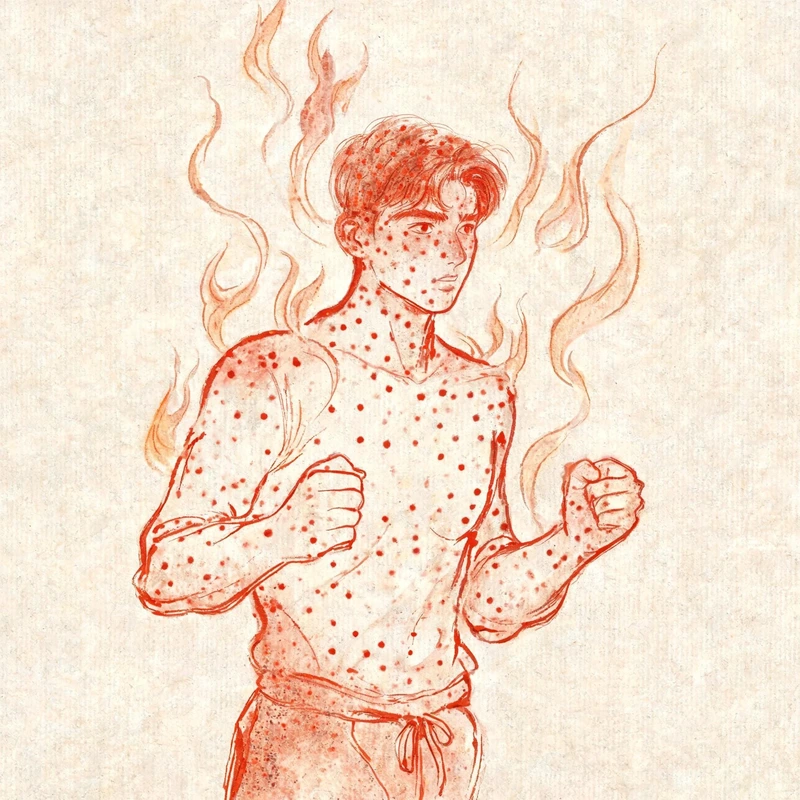
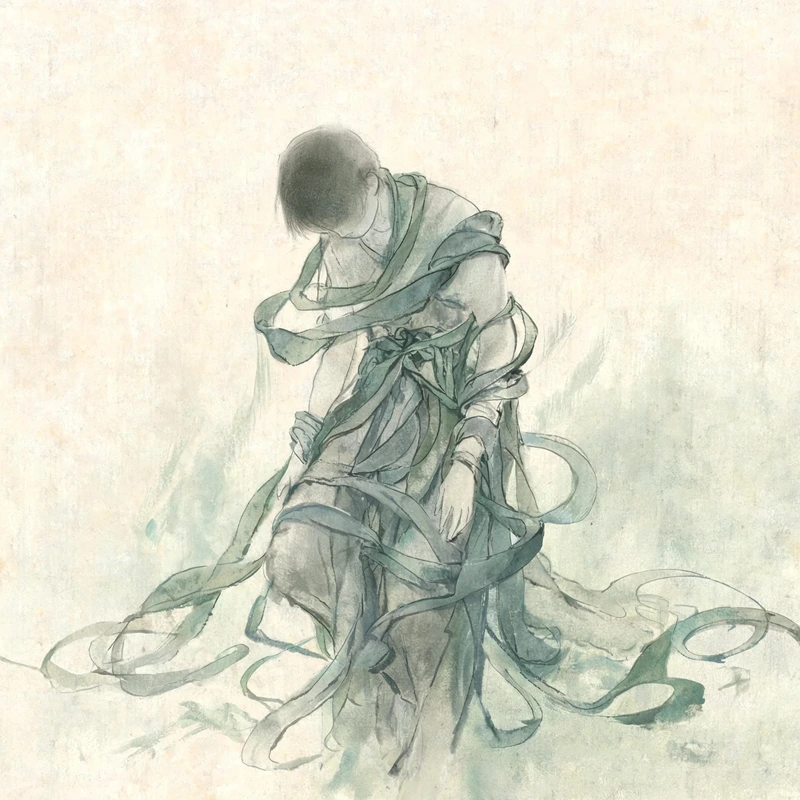
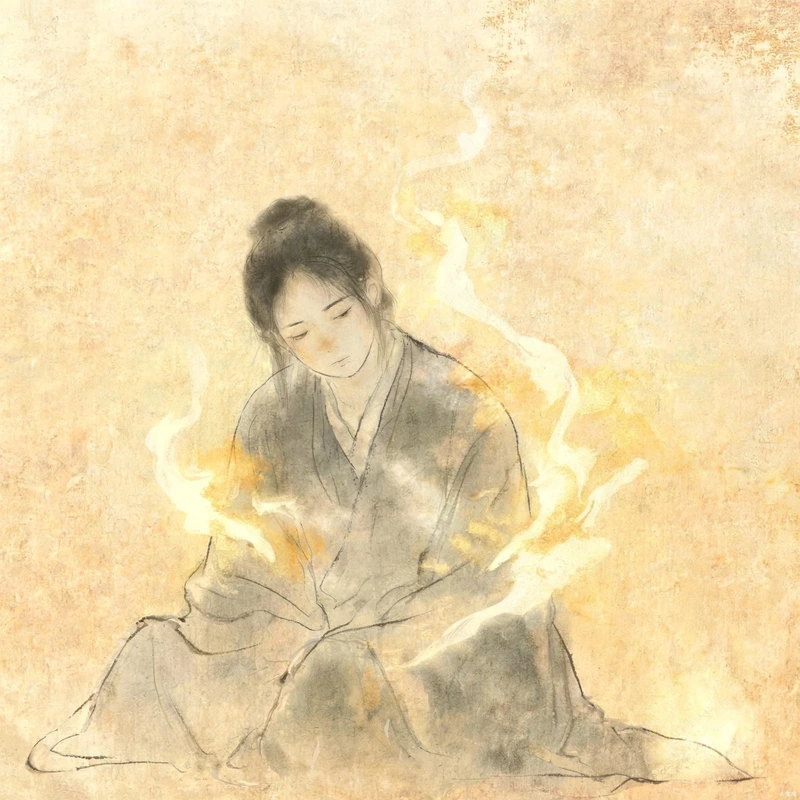
La Costituzione da Carenza di Qi si caratterizza per Qi primordiale insufficiente e funzione degli organi indebolita. I segni comuni includono facile affaticamento, mancanza di respiro, voce bassa, sudorazione spontanea e raffreddori frequenti. L’obiettivo è tonificare il Qi, rafforzare la Milza e evitare lo sforzo eccessivo.
Routine quotidiana
Il più grande tabù della Carenza di Qi è lo „sforzo eccessivo“. Assicurate un sonno adeguato, idealmente prima delle 23:00. Evitate l’esercizio intenso e il lavoro ad alta intensità prolungato; bilanciate attività e riposo. Vestitevi in base al tempo e proteggete collo, schiena, ombelico e caviglie.
Piano alimentare
La dieta deve concentrarsi sul rafforzare la Milza e tonificare il Qi. Mangiate regolarmente igname cinese, semi di loto, noce di volpe, datteri rossi, astragalo, codonopsis, fagiolo giacinto, miglio, riso, manzo e pollo. Preferite brasare, bollire e cuocere al vapore; evitate crudo, freddo e grasso. Mangiate porzioni più piccole e frequenti, masticando bene.
Movimento ed esercizio
Scegliete esercizio dolce e evitate di sudare molto. Consigliati: Baduanjin, Tai Chi, camminata, yoga e meditazione in piedi (Zhan Zhuang). Venti-trenta minuti a sessione, fino a sentire il corpo caldo e la mente rilassata. Tenetevi caldi prima e dopo l’esercizio.
Cura emotiva
Le persone con Carenza di Qi dovrebbero evitare eccessive preoccupazioni e ruminazione. Coltivate hobby dolci come giardinaggio, calligrafia o ascolto di musica. Imparate a dire di no e riducete gli impegni socialmente esaustivi. Usate meditazione e respiro addominale per calmare la mente.
 QX
QX
Chi conosce l'arte di nutrire la vita fa del riposo il fondamento.
La mappa è ancora un esempio. Rispondi alle 60 domande — solo allora si accenderà la tua vera pagina dei risultati.
Coerenza delle risposte
AffidabilitàQuello che vedi sono dati di esempio. Dopo le 60 domande, qui troverai il tuo punteggio di affidabilità e le contraddizioni nelle risposte.
Le tue risposte sono coerenti: il risultato è un riferimento solido.
Mappa delle nove dimensioni
Punteggio trasformato 0–100
La tua costituzione in sintesi
La Costituzione da Carenza di Qi si caratterizza per Qi primordiale insufficiente e funzione degli organi indebolita. I segni comuni includono facile affaticamento, mancanza di respiro, voce bassa, sudorazione spontanea e raffreddori frequenti. L’obiettivo è tonificare il Qi, rafforzare la Milza e evitare lo sforzo eccessivo.
I tuoi punti di forza · Punti di attenzione
I tuoi punti di forza
- Calmo, stabile e attento ai dettagli
- Buona resistenza sotto pressione moderata
- Rispondono bene a cure costanti
- A proprio agio in ambienti caldi
- Fortemente consapevole del bisogno di ripristinare energia
Punti di attenzione
- Riserva energetica corta, si stancano facilmente
- Immunità debole, propensi ai raffreddori
- Debolezza digestiva e gonfiore
- Voce bassa, possono sembrare poco assertivi
- Tendenza a procrastinare o esitare
Segnali del corpo
Deficienza di Qi often si sente come a phone running on low battery: tired easily, short of brmangiareh, slow to recover, and prone to catching freddos.
Fatica
Tired even after adequate dormire; voice may be soft.
Brmangiareh
Shortness of brmangiareh when climbing stairs or talking a lot.
Immunity
Catches freddos easily and recovers slowly.
Digestion
Bloating or loose stools after freddo or raw food.
Meridiani e agopunti
Deficienza di Qi benefits from points that rafforzare Milza and Polmone Qi, sostenereing energia and digestione.
Zusanli (ST36)
Four finger-widths below the kneecap, one finger-width outside the shinbone.
Press 3-5 minutes quotidiano, preferireably mattina.
Tonifies Qi and sosteneres immunità.
Qihai (CV6)
Two finger-widths below the navel.
Warm palm massaggiare 5 minutes quotidiano.
Boosts Qi, caldos the center.
Feishu (BL13)
Below the spinous process of the 3rd thoracic vertebra, 1.5 cun lateral.
Tap or press 2-3 minutes.
Supports respiratorio Qi.
Dietoterapia
Deficienza di Qi needs caldo, easily digested foods that tonify the Milza and Polmone. Avoid freddo beres and raw salads.
Astragalo & giuggiola tè
Huang qi (Astragalo) with giuggiolas, simmered 20 minutes.
Tonifies Qi, sosteneres immunità.igname cinese congee
Shan yao (igname cinese) with riso porridge.
Strengthens Milza Qi.Chicken zuppa
Slow-cooked pollo with zenzero and goji.
Nourishes Qi e Sangue.Lotus seed & euryale
Qian shi and lian zi in congee.
Supports digestione and energia.Ritmo quotidiano
-
6:30-7:30
Gentle wake-up
Lie in bed for 3 minutes of abdominal brmangiarehing; rise slowly.
-
7:30-9:00
Warm colazione
Millet or yam congee with egg; evitare freddo food.
-
9:00-12:00
Stèdy lavorare
Do important but low-stress tasks; riposare every 45 minutes.
-
12:00-13:30
Lunch
Milza-sostenereing foods like pollo, zucca, and riso.
-
13:30-15:00
Rest
Close your eyes for 10-15 minutes after pranzo.
-
15:00-18:00
Afternoon
Astragalo tè; stop and brmangiarehe when tired.
-
18:00-19:30
Light cena
Easy-to-digest foods; mangiare to 70% fullness.
-
21:30-22:30
Prepare for dormire
Avoid overthinking; be in bed by 23:00.
Guida all'esercizio
Gentle, energia-costruireing muoversiment is better than high-intensity lavorareouts. Stop before exhaustion.
Best choices
- Ba Duan Jin (Eight Pieces of Brocade)
- Tai Chi
- Gentle camminareing
- Standing meditation (Zhan Zhuang)
Pacing suggerimentos
- Exercise at 50-60% effort
- Warm up longer
- Avoid late-notte lavorareouts
Consigli alimentari · Consigli di movimento
Consigli alimentari
- The Deficienza di Qi diet should be “caldo, tonifying but not drying, easy to digest and not greasy.” Choose miglio, riso, glutinous riso, igname cinese, and sweet potato as staples.
- Good proteins includere pollo, manzo, crucian carp, and tofu, best stewed until tender.Useful food remedies: igname cinese and lotus-seed porridge;
- astragalus and codonopsis pollo zuppa;
- giuggiola and longan tè.
- In summer, aggiungere hyacinth bean and coix seed to rafforzare the Milza and drain umidità;
- in winter, aggiungere a little zenzero and cannella to caldo Yang and sostenere Qi.Avoid freddo fruits and beres, iced beverages, greasy barbecue, excessive spice, and too much coffee or strong tè, as they further damage Milza Qi.
Consigli di movimento
- Exercise should follow the principle “mild fire generates Qi, strong fire consumes Qi.” Moderate muoversiment costruires Qi;
- excessive swmangiareing depletes it.
- Best choices are Baduanjin muoversiments “Holding Heaven” and “Regulating Milza and Stomach,” plus Tai Chi, Wu Qin Xi, and camminareing.Walk 30 minutes quotidiano at a pace where you can still talk comfortably.
- Avoid sudden long-distance running, high-intensity HIIT, or caldo yoga that causes profuse swmangiareing.
- After esercizio, bere caldo leggeroly salted water or giuggiola tè to replenish fluids.
Cura emotiva
- Deficienza di Qi can lead to feelings of powerlessness, anxiety, or self-doubt.
- Break obiettivi into small steps and celebrate each completion.
- Avoid pushing yourself with “musts” and “shoulds.” Spend time with sostenereive, positive people and ridurre socially draining events.
Curva di emozione ed energia fisica
I punteggi mostrano come emozione ed energia fisica di questo profilo si muovono con le stagioni — solo per auto-osservazione.
Relazioni sociali
Deficienza di Qi often shows up in social life as limited "people energia." You may enjoy company but need longer recovery time. Protecting your social budget is part of proteggereing your health.
Settings that suit you
- Small, low-key gatherings
- One-on-one camminares instèd of big parties
- Short, structured meetings
- Supportive, low-drama relationships
Watch out for
- Long cenas or parties that run late
- Loud, crowded environments
- Friends who expect constant availability
- Let people know you recharge best in quiet settings.
- Keep responses honest but delicato: "I would love to, but I need an early notte."
- Ask for help before you are exhausted.
- Avoid over-explaining; a simple boundary is enough.
Limit sera outings to 1-2 per week.
Leave events when your energia drops.
Protect mattina riposare; do not let social plans override dormire.
Deficienza di Qi is not shyness or laziness. It è una real energia limit. Good friends will respect your rhythm when you explain it clearly.
Consigli sul lavoro
At lavorare, allocate energia wisely. Schedule the most demanding tasks in the mattina when energia is higher, and routine tasks in the pomeriggio. Stand up, stirare, or look into the distance every 45 minutes. Before speaking in meetings, take three deep brmangiarehs to sostenere voice and presence.
Ambiente domestico
Deficienza di Qi benefits from a home that proteggeres calore and ridurres exertion. Think of your living space as a recharge station rather than a showcase.
- Sleep in a draft-free room with extra blankets.
- Avoid dormireing near an open window or strong air conditioning.
- Rise slowly and sit on the edge of the bed before standing.
- Keep easy-to-digest foods within reach: miglio, yam, giuggiolas, eggs.
- Prepare caldo zuppas and congees in batches.
- Avoid a fridge full of freddo beres and raw salads.
- Crmangiaree a riposare corner with a sostenereive chair or cushion.
- Keep frequently used items at waist height to save energia.
- Work in short focused blocks with pausas.
- Take caldo showers rather than freddo ones.
- Dry hair and feet promptly.
- Keep slippers and a caldo robe nearby.
Small reductions in physical effort aggiungere up. A Qi-friendly home minimizes the number of "energia leaks" in your day.
Cura stagionale
In spring, nourish gently rather than suddenly tonifying strongly; mangiare sprouts, chives, and shepherd’s purse. In summer, calore and swmangiare consume Qi, so proteggere fluids and evitare long exposure to air conditioning. In autumn, moisten the lungs and tonify Qi with bulbo di giglio, snow fungus, and pear. In winter, focus on tenereing caldo and caldo supplementation; foot soaks and waist caldoers are especially helpful.
Rituali quotidiani
Massaggio lombare mattutino
Scaldare le mani e massaggiare l’area renale nella parte bassa della schiena 1–2 minuti per sostenere il Qi primordiale.
Tè di astragalo e datteri
Infusione di 5g di astragalo e 2 datteri rossi come tè diurno (sospendere durante i raffreddori).
Pisolino di mezzogiorno
Chiudere gli occhi 15–20 minuti dopo pranzo per evitare crolli pomeridiani.
Regolazioni rapide
Quando la deficienza di Qi ti lascia giù, usa questi ripristini rapidi.
Una tazza calda per reintegrare il Qi rapidamente.
Riduci il consumo di Qi e recupera energia.
Tonifica il Qi e allevia il fiato corto.
Respirazione addominale lenta 5 volte.
Piano di quattro settimane
Deficienza di Qi si sente come a low-battery phone: tired easily, short of brmangiareh, slow to recover. Il nucleo è "ridurre drain, costruire reserves, rafforzare Milza Qi." Questo piano di quattro settimane starts with cutting unnecessary expenditure and gradually costruires Qi through diet, muoversiment, and riposare.
Fermare la perdita: Ridurre il consumo di Qi
Deficienza di Qi worsens with late nottes, over-esercizio, and overthinking. Settimana uno è unabout learning to pause.
Goals
- Sleep by 23:00 nottely
- Cancel or ridurre 1-2 non-essential tasks
- Recognize the signs of hitting your energia limit
Daily routine
- Lie in bed for 3 minutes of abdominal brmangiarehing
- Rise slowly to evitare dizziness
- Warm, easy colazione: miglio congee, yam, egg
- Take a 5-minute pausa every 45 minutes of mental lavorare
- Lunch focuses on Milza-Qi foods like astragalus pollo
- Sit or camminare slowly after mangiareing; no vigorous activity
- Afternoon tè: giuggiola and goji or codonopsis tè
- Close eyes and riposare 5-10 minutes when tired
- Light cena to 70% fullness
- Avoid pesante esercizio and overthinking; prepare for bed by 22:30
Weekly tasks
- List "must do" and "can skip" items; prioritize riposare
- Log energia 1-10 quotidiano to find low points
- Stock Qi-tonic foods: yam, giuggiolas, astragalus, codonopsis, lotus seed, euryale
Milestones
- Sleep by 23:00 for 3 consecutive days
- Name your 2 lowest-energia periods of the day
Rafforzare la Milza: Costruire le basi con il cibo
The Milza è la source of Qi e Sangue. Avoid freddo, raw, and greasy foods that further weaken it.
Goals
- Eat at least one Milza-rafforzareing food quotidiano
- Avoid freddo beres and raw fruit for the whole week
- Chew thoroughly at every meal
Daily routine
- Warm yam and giuggiola water on an empty stomaco
- 5 minutes of delicato Ba Duan Jin or standing meditation
- Breakfast must includere grain + protein
- Avoid high-intensity meetings in the mattina
- Lunch: manzo, pollo, or crucian carp
- Close eyes for 10 minutes after mangiareing
- Astragalo and goji tè when fatigued
- Stand and muoversi 2-3 minutes every hour
- Dinner: congee, noodles, or stewed dishes
- No food 2 hours before bed
Weekly tasks
- Learn 2-3 Qi-tonic recipes like astragalus tè and yam lotus congee
- Reduce takeout and raw salads; mangiare caldo cooked food
- Log meals and note which cause bloating or fatigue
Milestones
- 5 consecutive days without freddo beres or raw fruit
- Find 2-3 Qi-friendly foods you genuinely enjoy
Sollevare lo Yang: Aggiungere movimento delicato
Deficienza di Qi does not mean no esercizio; it significa che right esercizio at the right intensity.
Goals
- Exercise 3-4 times settimanale, 20-30 minutes each
- Keep intensity at "sleggeroly caldo, can still talk"
- Warm up and bere caldo water after esercizio
Daily routine
- 3 minutes of deep brmangiarehing and stirarees in bed
- Wait 30 minutes after colazione before activity
- Schedule important but low-physical tasks in the mattina
- Move or do Ba Duan Jin for 5 minutes every hour
- Eat moderatoly to evitare pomeriggio drowsiness
- Walk 10-15 minutes after pranzo
- 10 minutes of standing or tai chi when tired
- If exercising, choose 15:00-17:00
- Light activity after cena
- Foot soak 15 minutes at ~40°C
Weekly tasks
- Choose 1-2 suitable esercizios: tai chi, Ba Duan Jin, brisk camminareing, yoga
- Prepare caldo clothes and a thermos for post-lavorareout
- Log recovery time after esercizio to evitare overdoing it
Milestones
- Complete 3 delicato lavorareouts and still feel okay
- No post-esercizio fatigue spike or insomnia
Proteggere: Costruire un sistema anti-perdita a lungo termine
Deficienza di Qi fears repmangiareed depletion. Settimana quattro integrates the first three weeks into a sustainable system.
Goals
- Form a stable rhythm of dormire, diet, and muoversiment
- Crmangiaree a fatigue early-warning system
- Set Qi-care priorities for the next month
Daily routine
- Fixed mattina ritual: caldo water, brmangiarehing, delicato muoversiment
- Estimate energia allocation for the day
- Qi-tonic colazione like yam congee or giuggiola soy milk
- Focus on important tasks; evitare multitapelleg
- Rest 10-15 minutes after pranzo
- Avoid meetings or complex tasks right after mangiareing
- Qi tè like codonopsis and giuggiolas
- When energia drops, do easy tasks first
- Light cena to 80% fullness
- 10-minute relaxation; in bed by 22:30
Weekly tasks
- Write your Deficienza di Qi care list: foods, activities, and things to evitare
- Talk to family or colleagues about your energia rhythm
- Book a checkup or TCM consultation to review progress
Milestones
- Sleep by 23:00 for 7 consecutive days
- Name your 3 "Qi drain traps" and how to handle them
The biggest mistake in Deficienza di Qi care is "tonifying while draining." No tonic can outrun late nottes, anxiety, and overmangiareing. Trmangiare "doing less" as a wellness skill and give yourself space to recover.
Lettura approfondita
Deficienza di Qi is one of the most common modern Costituziones. Understanding why your energia runs low can help you recostruire reserves without burning out.
What is Deficienza di Qi?
Qi è la vital energia that powers muoversiment, digestione, immunità, and thinking. Deficienza di Qi significa this energia is insufficient or poorly distributed. In TCM, the Milza and Polmone are especially important because the Milza produces Qi from food and the Polmone governs respiratorio and Qi difensivo. When Qi is weak, you tire easily, speak softly, brmangiarehe shallowly, catch freddos frequently, and recover slowly. Digestion may be sluggish, with bloating or loose stools after freddo or raw food.
Why does it develop?
Deficienza di Qi often develops from chronic overlavorare, insufficient dormire, poor diet, frequent illness, or emotional exhaustion. Modern lifestyles contribute: skipping colazione, mangiareing freddo salads year-round, sitting too long, over-exercising, and chronic stress all deplete Qi. Some people are born with weaker Qi, especially if parents were exhausted or unwell during pregnancy. Over time, the body's capacity to generate and distribute energia falls behind demand.
Daily clues of Deficienza di Qi
You feel tired even after a full notte's dormire. Climbing a fleggero of stairs leaves you brmangiarehless. Your voice is soft and you preferire not to talk too much. You catch freddos easily and they linger. Afternoon energia crashes are common. You may dislike freddo beres and raw food because they make digestione uncomfortable. Decision-making can feel effortful because mental activity also consumes Qi.
Core care principles
The first rule is to stop depleting before you tonify. Prioritize dormire, caldo cooked food, and delicato muoversiment. Tonics such as astragalus, codonopsis, igname cinese, giuggiolas, and lotus seed can help, but only if you also ridurre drain. Avoid freddo beres, raw food, late nottes, and overthinking. Exercise should be delicato and energizing, not exhausting. Short, frequent riposare pausas proteggere Qi better than occasional long vacations.
Common misunderstandings
Many people think Deficienza di Qi just needs more coffee or protein. Coffee borrows energia rather than costruireing it; protein alone does not aggiungereress the Milza's digestive fire. Another myth is that more esercizio always helps. In Deficienza di Qi, excessive esercizio can deepen exhaustion. Rest and recovery are active parts of trmangiarement, not laziness.
Long-term outlook
Deficienza di Qi usually improves stèdily with consistent care. Most people notice better energia within weeks of improving dormire and diet, and stronger immunità within a few months. L'obiettivo è not to become hyper-energetic but to have enough reserve for quotidiano life. Maintaining boundaries around lavorare and riposare prevents relapse.
Deficienza di Qi improves when you trmangiare riposare as productive. Build your energia budget before spending it.
Costituzione mista
La maggior parte delle persone ha una costituzione mista — raramente un tipo puro. Lo standard nazionale (ZYYXH/T157-2009) classifica una costituzione come « sì » quando il punteggio trasformato raggiunge 40, e come « tendenza » tra 30 e 39. Regola prima quella dominante, poi quella secondaria.
Miscele comuni:Il deficit di qi accompagna spesso il deficit di yang (entrambi radicati in poca vitalità). Prima tonifica il qi, poi scalda lo yang.
La tua combinazione esatta appare dopo il test — questo è il quadro generale del tipo Costituzione da Deficienza di Qi.

Una nota di Bong
<p>Deficienza di Qi is not laziness. It is your body apelleg you to trmangiare yourself more gently. Tonifying Qi is not a one-day event; it è la accumulation of each meal, each early notte, and each camminare. Slow and stèdy wins.</p>
Chiedi all'IA del tuo risultato
Copia il prompt con le tue risposte e il risultato per una lettura più profonda.
Questo è un rapporto di esempio. Rispondi alle 60 domande per generare il tuo ritratto.
Rifare il test?
La tua costituzione cambia con le stagioni, lo stress e l'alimentazione. Rifallo più avanti.