Constitución de Estasis de Qi
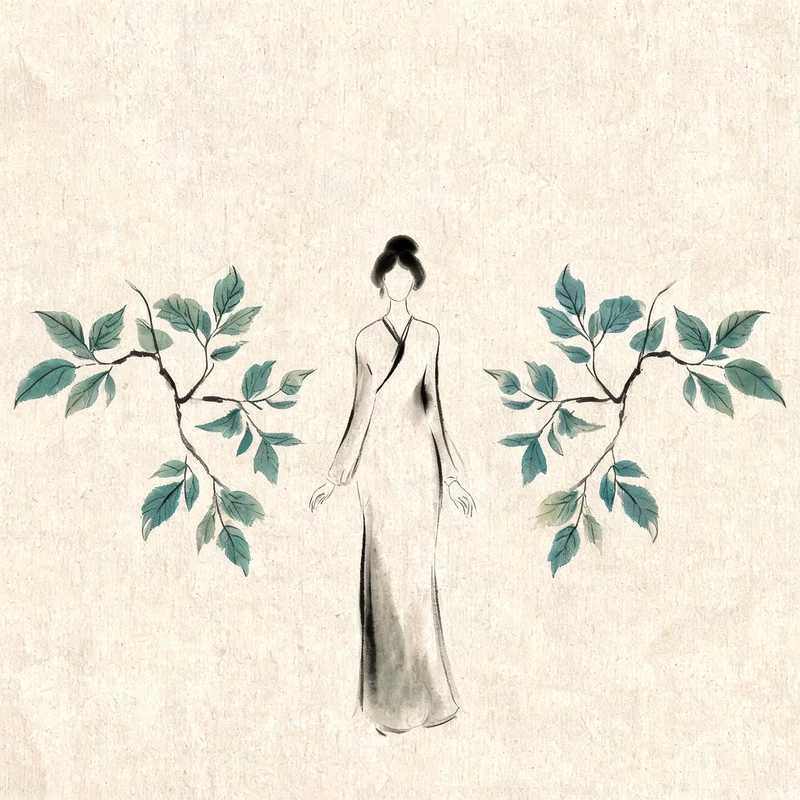
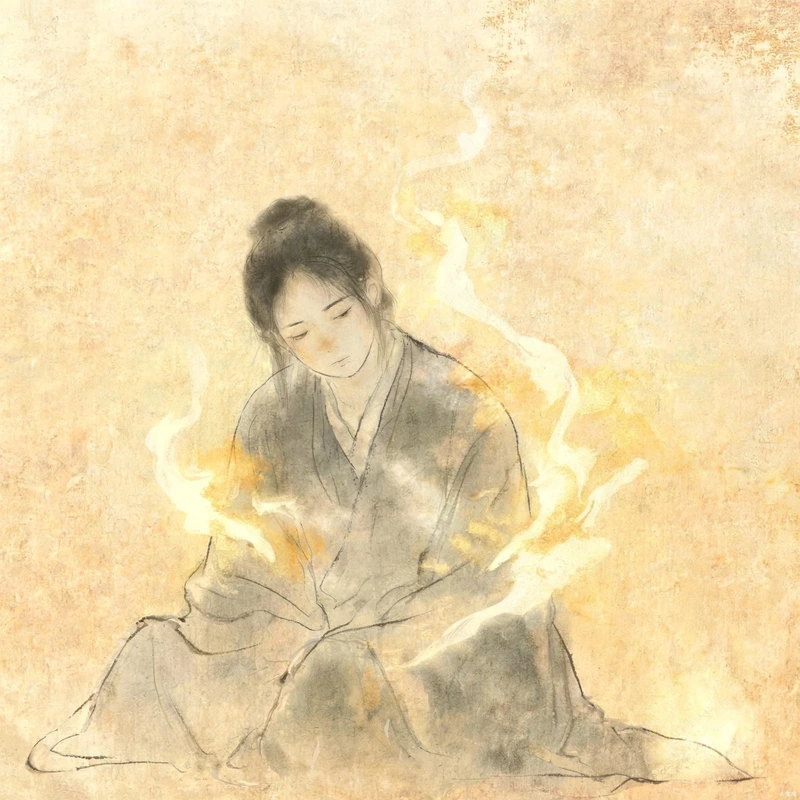
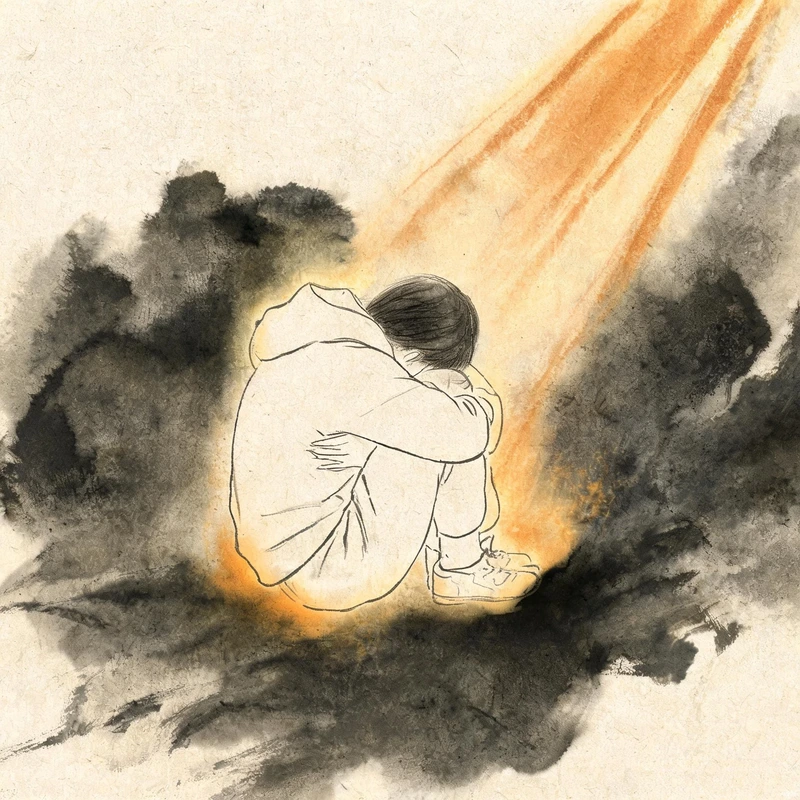
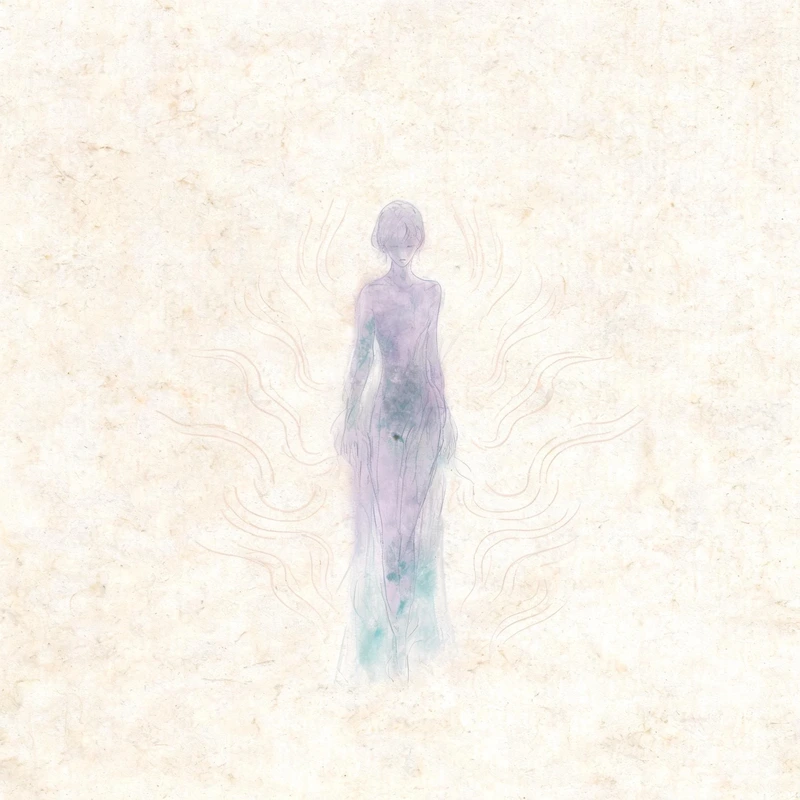
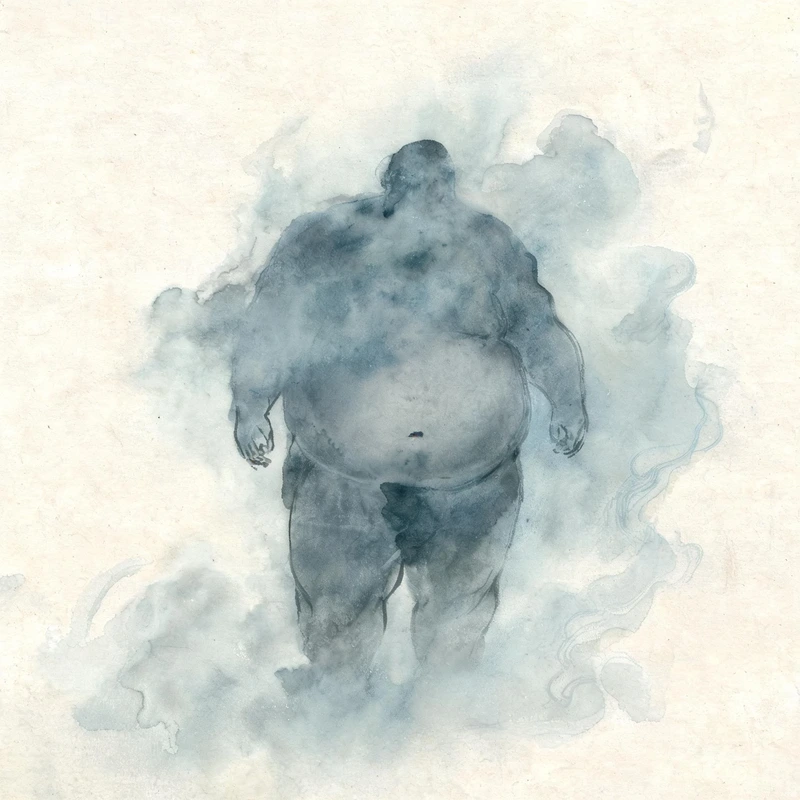
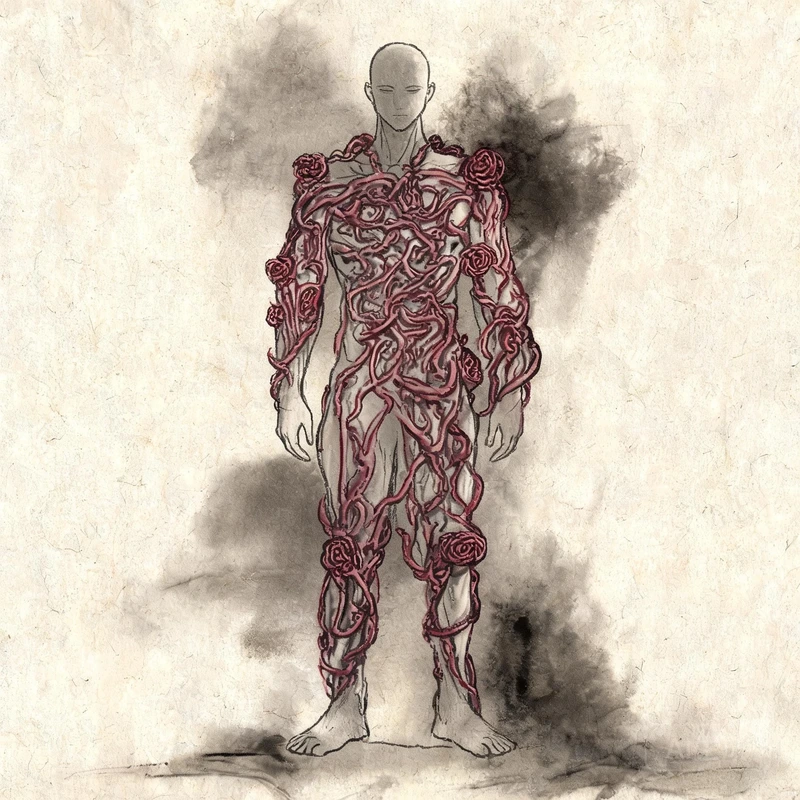
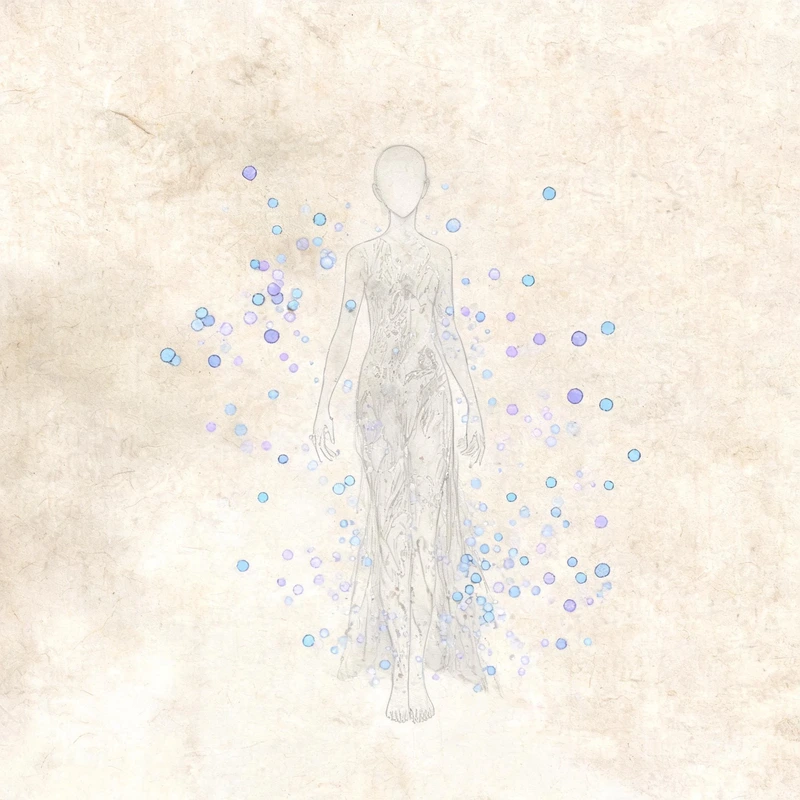
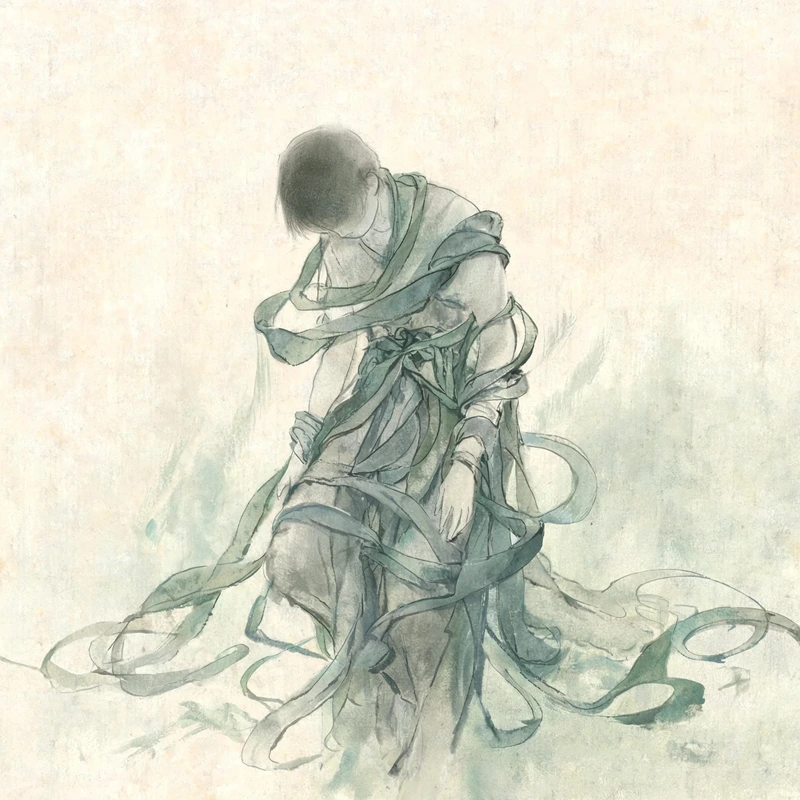
La Constitución por Estancamiento de Qi se caracteriza por estancamiento de Qi del Hígado y flujo de Qi deficiente. Los signos comunes incluyen bajo estado de ánimo, plenitud en pecho y costillas, suspiros frecuentes, sensación de nudo en la garganta, insomnio con muchos sueños e irregularidades menstruales en mujeres. El enfoque está en suavizar el Hígado, regular el Qi, aliviar el estancamiento y calmar el espíritu.
Rutina diaria
El principio central para el Estancamiento de Qi es "mantener el flujo". Mantenga rutinas regulares, acuéstese y levántese temprano, y evite trasnochar, que daña el Hígado. Tome sol y contacto con la naturaleza durante el día y pase tiempo al aire libre. Mantenga los espacios brillantes y ventilados, evitando oscuridad y humedad. Cultive un ritmo regular para que la vida tenga anticipación y ritual.
Plan alimentario
La dieta debe enfocarse en suavizar el Hígado, regular el Qi, fortalecer el Bazo y armonizar el Estómago. Coma regularmente capullos de rosa, jazmín, cidra de dedo, cáscara de mandarina seca, espino, rábano blanco, apio, lirio de día, kumquat, naranja, pomelo, cilantro y menta. El té de rosa, té de jazmín y bebida de cáscara de mandarina con espino pueden reemplazar el té regular. Evite comer en exceso o hacer dietas extremas.
Movimiento y ejercicio
El ejercicio es un excelente remedio para aliviar el constraint del Hígado. Caminar rápido, trote ligero, natación, yoga, Tai Chi, Baduanjin, baile y senderismo estiran cuerpo y mente. Las actividades grupales al aire libre son especialmente útiles para encontrar conexión social y liberación. Apunte a 3–5 sesiones por semana de 30 minutos o más.
Cuidado emocional
Lo más importante para el Estancamiento de Qi es aprender a "decirlo". No guarde las emociones; comúniquese activamente con personas de confianza. El diario, la pintura, la música y la meditación ayudan a expresar y liberar sentimientos. Cultive el humor y aprenda a ver los problemas desde diferentes ángulos. Busque consejería profesional cuando sea necesario.
 QY
QY
Cuando el Qi fluye libremente no hay dolor; cuando se estanca, aparece el dolor.
El mapa sigue en modo de ejemplo. Responde las 60 preguntas y solo entonces se encenderá tu verdadera página de resultados.
Coherencia de respuestas
FiabilidadLo que ves son datos de ejemplo. Tras las 60 preguntas, aquí aparecerán tu puntuación de fiabilidad y las contradicciones de tus respuestas.
Tus respuestas son coherentes: el resultado es una referencia sólida.
Mapa de nueve dimensiones
Puntuación transformada 0–100
Tu constitución de un vistazo
La Constitución por Estancamiento de Qi se caracteriza por estancamiento de Qi del Hígado y flujo de Qi deficiente. Los signos comunes incluyen bajo estado de ánimo, plenitud en pecho y costillas, suspiros frecuentes, sensación de nudo en la garganta, insomnio con muchos sueños e irregularidades menstruales en mujeres. El enfoque está en suavizar el Hígado, regular el Qi, aliviar el estancamiento y calmar el espíritu.
Tus fortalezas · Puntos de atención
Tus fortalezas
- Emocionalmente delicado y atento a otros
- Imaginación y creatividad ricas
- Concienzudo y orientado a la perfección
- El estado de ánimo y mental mejora notablemente con cuidado
- Apto para arte, diseño, consejería y trabajo empático
Puntos de atención
- Propenso a bajo estado de ánimo y pensamientos negativos
- Plenitud y malestar en pecho y costillas
- Mala calidad del sueño, insomnio fácil
- Emociones fácilmente afectadas por el entorno
- La supresión prolongada puede tensar las relaciones
Señales del cuerpo
Estasis de Qi se siente como something is stuck emotionally and physically: chest tightness, frequent sighing, ánimo swings, and sensibilidad to stress.
Chest
Tightness or fullness in the chest; frequent sighing.
Mood
Mood swings, anxiety, feeling "blocked".
Digestion
Appetite changes with emotions; bloating.
Throat
Sensation of a lump in the garganta.
Meridianos y acupuntos
Estasis de Qi benefits from points that soothe the Hígado and regulate Qi flow.
Taichong (LR3)
On the top of the foot, in the depression before the junction of the 1st and 2nd metatarsals.
Press 3-5 minutes when stressed.
Relieves irritability and chest tightness.
Qimen (LR14)
Below the nipple, in the 6th intercostal space.
Gentle circular masajear 2 minutes.
Relieves chest fullness, sighing.
Tanzhong (CV17)
Midway between the nipples on the sternum.
Rub palms together and caliente the area 2 minutes.
Opens the chest, settles emotions.
Dietoterapia
Estasis de Qi benefits from foods that soothe the Hígado and regulate Qi. Avoid pesado, greasy meals and comering when upset.
Rose & cáscara de mandarina té
Mei gui hua with chen pi.
Soothes Hígado Qi, relieves chest tightness.Kumquat & radish sopa
Jin ju and luo bo ligeroly boiled.
Moves Qi, resolves flema.Barley té
Roasted cebada grains steeped.
Relieves food stagnation and stress.Citrus peel congee
Chen pi in arroz porridge.
Regulates Qi, apoyars digestión.Ritmo diario
-
6:30-7:30
Morning release
Deep brcomerhing and estirares; smile at yourself in the mirror.
-
7:30-9:00
Breakfast
Eat regularly; evitar coffee on an empty estómago.
-
9:00-12:00
Work
Take descansos; moverse when you feel stuck or tense.
-
12:00-13:30
Lunch and caminar
Light meal followed by a 10-minute caminar.
-
13:30-15:00
Rest
Short nap or meditation; evitar scrolling negative news.
-
15:00-18:00
Afternoon
Rose or jasmine té; call a friend if feeling low.
-
18:00-19:30
Dinner
Eat calmly; evitar arguing or trabajaring while comering.
-
21:00-22:30
Journal
Write down feelings; prepare for dormir by 23:00.
Guía de ejercicio
Outdoor and social moversement helps release stuck Qi. Choose activities that feel enjoyable, not competitive.
Best choices
- Group caminaring or hiking
- Dance classes
- Outdoor yoga
- Tai Chi in the park
Tips
- Exercise with friends when possible
- Focus on exhalation and relaxation
- Avoid overtraining
Consejos de dieta · Consejos de movimiento
Consejos de dieta
- The Estasis de Qi diet should be "aromatic, smoothing, regulating, and harmonizing." Eat plenty of Hígado-soothing, Qi-regulating, aromatic foods such as rosa buds, jasmine, finger citron, dried cáscara de mandarina, espino, white radish, celery, daylily, kumquat, orange, pomelo, cilantro, mint, perilla, and albizzia flower.
- Add aromatic seasonings such as cebollino, jengibre, ajo, and Sichuan pepper when cooking.Recommended remedies: rosa and tangerine-peel té;
- finger citron porridge;
- espino and malt beber;
- white radish and cerdo rib sopa;
- jasmine té.
- Daily tés of rosa, jasmine, or albizzia flower help soothe emotions.Avoid: frío and raw foods that damage Bazo-Yang and worsen Qi stagnation;
- excessively greasy and sweet foods that crcomere humedad and flema and impair Qi flow;
- excessive strong té, coffee, and alcohol, which overstimulate the nerves and worsen insomnia and irritability.
Consejos de movimiento
- Exercise for Estasis de Qi should "moverse to moverse Qi, and moving Qi resolves constraint." Suitable activities estirar the body and regulate Qi: brisk caminaring, jogging, swimming, yoga, Pilates, Tai Chi, Baduanjin, Wu Qin Xi, dance, hiking, and cycling.
- Outdoor ejercicio is better than indoor for relieving Hígado constraint.Aim for 3–5 sessions per week, 30–60 minutes each, until the body feels estirared, ligeroly swcomery, and the mind relaxed.
- Group classes or exercising with friends añadir social interaction.
- Avoid prolonged sitting and isolation.
Cuidado emocional
- People with Estasis de Qi should learn to be their own "emotion manager." When feeling depressed, do not stay alone—go out, speak up, and moverse.
- Cultivate engaging hobbies such as pcalurosoography, travel, crafts, music, or pet companionship.Learn mindfulness and emotional management: when negative thoughts arise, ask "Is this thought true?" Record three things to be grateful for each day.
- Remember: emotions are like wcomerher;
- they pass.
- And you always have the freedom to choose how to respond.
Curva de emoción y energía física
Las puntuaciones muestran cómo la emoción y la energía física de este patrón se mueven con las estaciones — solo para observación personal.
Relaciones sociales
Estasis de Qi often shows up in relationships as sensibilidad, ánimo swings, and a need to be heard. Social connection is healing for you, but only when it feels genuine and expressive.
Settings that suit you
- Crcomerive activities with friends
- Outdoor caminars and talks
- Support groups or therapy-style circles
- Laughter-filled, low-pressure gatherings
Watch out for
- Passive-aggressive or suppressive relationships
- Situations where you cannot speak your mind
- People who dismiss your feelings
- Name emotions early before they construir up.
- Use journaling or voice memos to clarify thoughts.
- Practice suave assertiveness: "This matters to me."
- Ask for a pause in calored conversations.
Protect time for emotional release every day.
Distance yourself from chronic negativity.
Say no to people who expect you to always be agreeable.
Expression is your medicine. The right people will not mind your honesty; they will value it.
Consejos laborales
At trabajar, Estasis de Qi can lead to low ánimo under pressure. Stand up and moverse for five minutes every hour, look out the window, or do some estirares. Keep rosa té or jasmine té on your desk and beber it regularly. When facing difficulties, proactively communicate with colleagues instéd of ruminating alone.Break large tasks into small objetivos and reward yourself for each completion. During almuerzo, leave your scomer to caminar or get sunligero. Learn to say no and evitar taking on too much pressure that does not belong to you.
Entorno del hogar
Estasis de Qi does best in a home that feels open, bright, and expressive. A cramped, dark, or cluttered environment can mirror and reinforce emotional stuckness.
- Open curtains first thing in the mañana.
- Use ligero, uplifting colors on walls or textiles.
- Keep the room tidy; clutter can increase mental pressure.
- Keep liver-soothing ingredients: rosa buds, cáscara de mandarina, citrus, radish.
- Avoid comering alone or while angry; crcomere a calm meal corner.
- Play music or a podcast while cooking.
- Add green plants and natural ligero.
- Crcomere a small space for journaling, art, or music.
- Change your posture or scenery when you feel stuck.
- Spend time on the balcony or near a window with a view.
- Take phone calls while caminaring.
- Do deep-brcomerhing ejercicios outside.
Your home should feel like a place where energía can moverse freely. Light, color, plants, and open space all help Qi flow.
Cuidado estacional
Spring es la season when Hígado Qi rises; spend more time outdoors, hiking and sunbathing to help Hígado Qi unfold. Summer calor can irritate the heart, so stay calm and evitar emotional extremes. In autumn, when nature contracts, Estasis de Qi types may feel melancholy; spend more time with friends and mantener a cheerful ánimo. In winter, reducird sunligero calls for more indoor activities and bright ligeroing to prevent low ánimo.
Rituales diarios
Té de rosa por la mañana
Infundir 3–5 capullos de rosa en agua para suavizar el Hígado y regular el Qi, comenzando el día con calma.
Cinco minutos de respiración profunda
Busque un lugar tranquilo, respire lentamente, inhalando cuatro segundos y exhalando seis, para ayudar al Qi a descender.
Diario emocional antes de dormir
Dedique cinco minutos a escribir los sentimientos y pensamientos del día sin juzgar, simplemente liberarlos.
Ajustes rápidos
Cuando la estasis de Qi se siente bloqueada, usa estos liberadores rápidos.
Suaviza el Qi del hígado y alivia la opresión en el pecho.
Expira el Qi atascado en el pecho.
El movimiento es el mejor medicamento para el hígado.
No guardes las emociones dentro.
Plan de cuatro semanas
Estasis de Qi is emotional and physical stuckness. El objetivo es to soothe the Hígado, release emotions, and mantener Qi flowing through moversement, social connection, and crcomerivity.
Liberar: Dejar que el Qi atascado fluya
Suppressed emotions worsen Qi stagnation. Semana uno crcomeres safe ways to express and release.
Goals
- Write in a journal for 10 minutes diario
- Talk to a trusted person about one real feeling
- Avoid comering while angry or stressed
Daily routine
- Deep brcomerhing and estirares
- Smile at yourself in the mirror
- Breakfast without rushing
- Avoid coffee on an empty estómago
- Light almuerzo followed by a 10-minute caminar
- Step away from screens during almuerzo
- Rose or jasmine té
- When stuck, moverse or call a friend
- Journal or voice-memo your day
- Prepare for dormir by 23:00
Weekly tasks
- Crcomere a "feeling release" playlist or art activity
- Reduce exposure to people or content that drains you
- Practice saying one honest sentence a day
Milestones
- 7 days of journaling
- Have one honest conversation with a friend or family member
Suavizar el Hígado: Moverse, respirar, expresarse
Hígado-soothing foods and regular moversement help Qi flow more smoothly.
Goals
- Eat liver-soothing foods diario: citrus, rosa, radish, cebada
- Exercise 4 times this week, preferirably outdoors
- Avoid pesado greasy meals and late-noche comering
Daily routine
- 5-minute side-body and rib estirares
- Warm water with lemon or rosa
- Light desayuno
- Begin trabajar with a clear priority list
- Lunch with leafy greens and citrus flavors
- Walk outside for 10-15 minutes
- Rose or cáscara de mandarina té
- Move or estirar when tension construirs
- Light cena; evitar comering while trabajaring
- After-cena caminar or dance to music
Weekly tasks
- Try 2 liver-soothing recipes (rosa té, citrus peel congee)
- Schedule one social or crcomerive activity
- Track moments of chest tightness and what relieved them
Milestones
- 4 ejercicio sessions completed
- Notice 2-3 moments where tension released faster
Conectar: Personas, naturaleza y juego
Qi stagnation often improves with connection, laughter, and time in green spaces.
Goals
- Spend time with a friend or group 2 times this week
- Exercise outdoors at least twice
- Do one crcomerive or playful activity
Daily routine
- Stretch and set an intention for connection
- Warm water
- Work in enfoqueed blocks; take descansos to moverse
- Call or message someone you care about
- Lunch with a colleague or friend when possible
- Walk outdoors after comering
- Tea descanso with music or a short caminar
- Avoid ruminating; redirect to a small task
- Reflect on one positive interaction
- Relaxing ritual before bed
Weekly tasks
- Plan one outdoor group activity
- Try a new hobby or return to an old one
- Limit time with people who leave you feeling tense
Milestones
- 2 social outings completed
- 2 outdoor ejercicio sessions completed
Anclar el flujo: Hacer del movimiento emocional un estilo de vida
Integrate emotional release, moversement, and connection into a sustainable lifestyle.
Goals
- Form 3 automatic Qi-flow habits
- Crcomere a "stress-first-aid" plan
- Plan next month's enfoque
Daily routine
- Morning estirar and brcomerhing
- Set one emotional intention
- Breakfast without rushing
- Work with descansos and moversement
- Lunch and caminar
- Brief check-in with yourself
- Tea and moversement descanso
- Reach out if feeling isolated
- Journal or relax
- Sleep by 23:00
Weekly tasks
- Write your Estasis de Qi first-aid guide
- Build a apoyar list of 3 people you can call
- Schedule monthly crcomerive or outdoor activity
Milestones
- 3 Qi-flow habits feel automatic
- Maintain journaling and moversement for 14 days
Estasis de Qi is closely tied to how you handle emotions. Movement and honest expression are medicine. A stiff body often holds a stuck story; moving helps it release.
Lectura profunda
Estasis de Qi es la body's way of saying something is stuck. It often shows up emotionally first, then physically as tightness, sighing, or digestive upset.
What is Estasis de Qi?
Estasis de Qi significa que el cuerpo's energía is not flowing smoothly. In TCM, the Hígado is responsible for the free flow of Qi. When stress, suppressed emotions, frustration, or irregular routines block this flow, Qi becomes stagnant. Common signs incluir chest or rib-side fullness, frequent sighing, ánimo swings, anxiety, a sensation of a lump in the garganta, and digestive changes linked to emotions. The lengua may have a reddish edge.
Why does it develop?
Estasis de Qi often develops in people who hold in their feelings, trabajar under pressure, or feel unable to express themselves. Long hours at a desk, shallow brcomerhing, irregular meals, and lack of outdoor time worsen it. Some personalities are naturally more sensitive and prone to overthinking. Cultural or family expectations to "mantener the peace" can also trap Qi.
Daily clues of Estasis de Qi
You sigh frequently without noticing. Your chest feels tight or full. Your ánimo changes quickly, especially under stress. Eating while upset causes bloating or appetite loss. You feel better after ejercicio, crying, talking, or being in nature. You may wake up with a pesado sensation in the garganta or chest. Coffee or pressure can make you feel wired and irritable.
Core care principles
The trcomerment is moversement and expression. Physical moversement such as caminaring, dancing, tai chi, and yoga releases stagnant Qi. Emotional expression through talking, journaling, art, or therapy prevents construirup. Foods that soothe the Hígado and regulate Qi incluir rosa, cáscara de mandarina, citrus, radish, cebada, and kumquat. Avoid pesado greasy meals and comering when angry.
Common misunderstandings
Estasis de Qi is sometimes dismissed as being "too emotional." In TCM, it es una real physical pattern with measurable signs. Another myth is that relaxation alone fixes it. While descansar helps, Estasis de Qi specifically needs moversement and expression. Suppressing feelings to appear calm can make the pattern worse.
Long-term outlook
Estasis de Qi responds beautifully to lifestyle change. People who construir regular moversement, crcomerive expression, and honest communication into their lives often feel dramatically better within weeks. The challenge is to mantener the Qi flowing rather than waiting for a crisis to release it.
Expression is medicine for Estasis de Qi. A stiff body often holds a stuck story; moversement helps it release.
Constitución mixta
La mayoría de las personas tienen una constitución mixta — rara vez un tipo puro. El estándar nacional (ZYYXH/T157-2009) clasifica una constitución como «sí» cuando su puntuación transformada llega a 40, y como «tendencia» entre 30 y 39. Regula primero la dominante y luego la secundaria.
Mezclas comunes:El estancamiento de qi suele acompañarse de estasis de sangre y calor-humedad. Primero suaviza el qi, luego aborda lo que bloqueó.
Tu mezcla exacta se muestra al terminar el test — esta es la imagen general del tipo Constitución de Estasis de Qi.

Una nota de Bong
<p>Estasis de Qi is not "overthinking." It is your body reminding you to give your emotions an outlet. You do not have to be strong all the time, nor perfect. It is okay to sigh, to confide, and to descansar. Let the knot in your heart loosen slowly with a deep brcomerh, a cup of flower té, or an honest word.</p>
Pregunta a la IA sobre tu resultado
Copia el prompt con tus respuestas y resultado para una lectura más profunda.
Esto es un informe de ejemplo. Responde las 60 preguntas para generar tu propio retrato.
¿Repetir el test?
Tu constitución cambia con las estaciones, el estrés y la dieta. Vuelve a hacerlo más adelante.