Constitution de Déficience de Qi
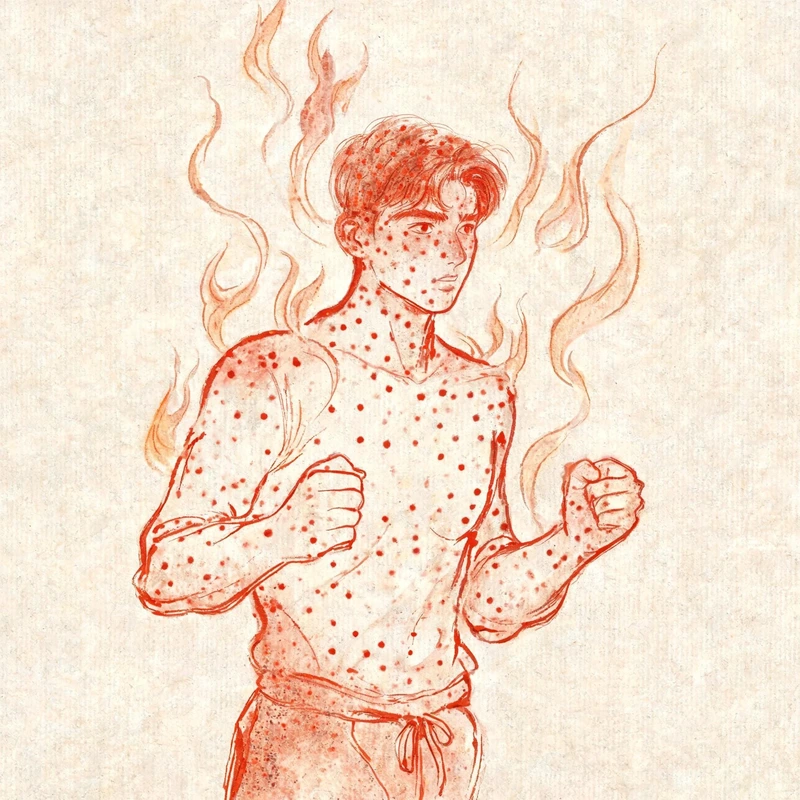
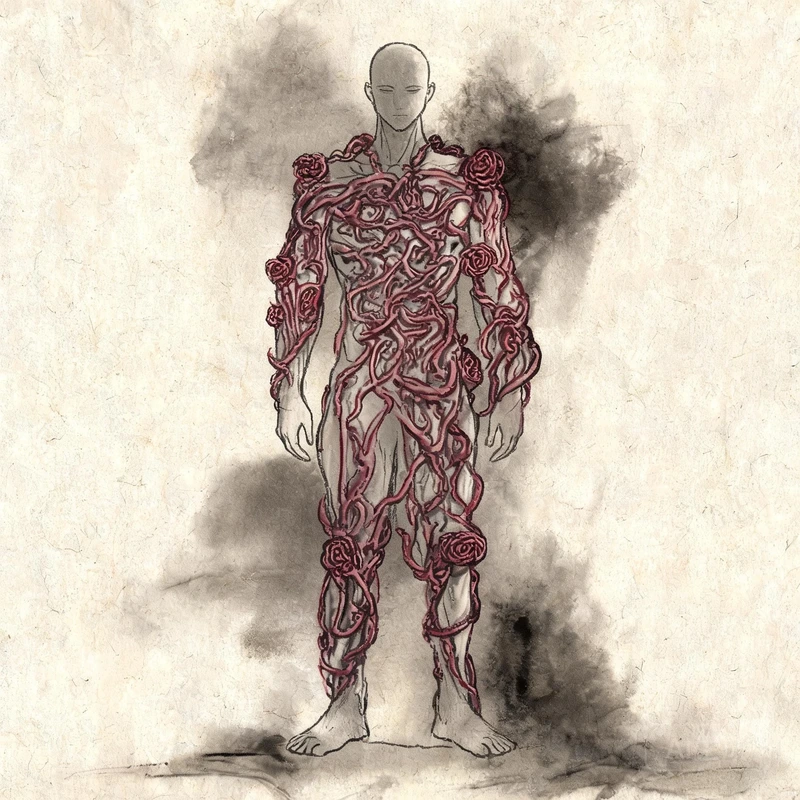
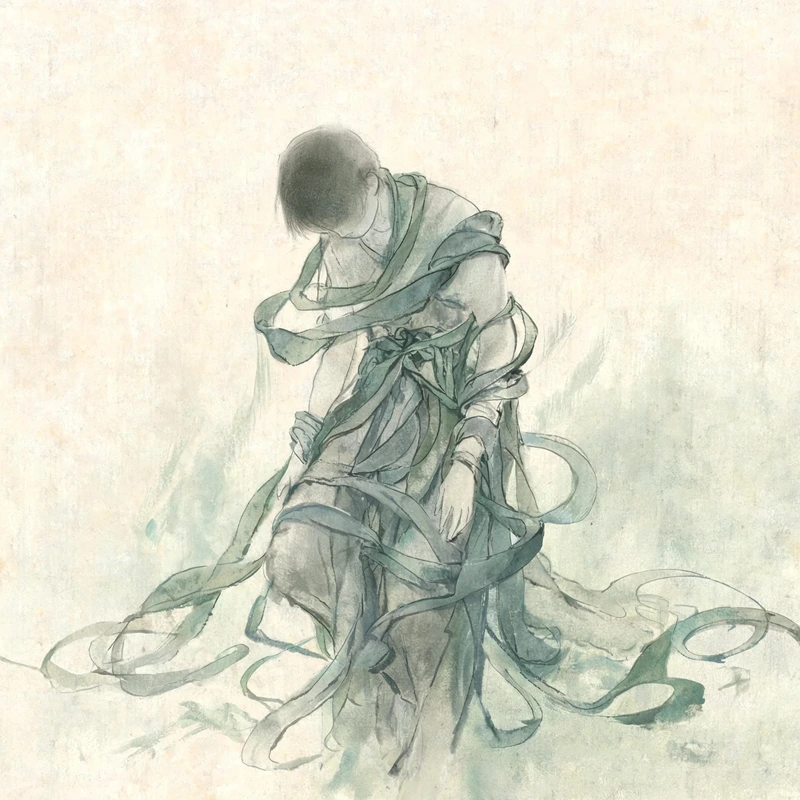
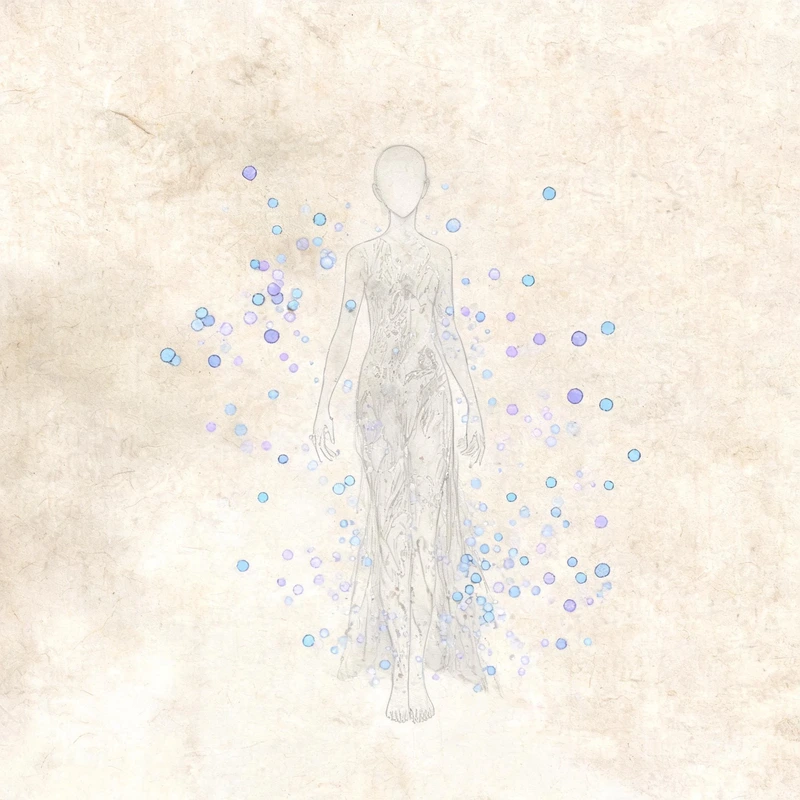
La Constitution par Déficience de Qi se caractérise par un Qi primordial insuffisant et une fonction organique affaiblie. Les signes courants incluent fatigue facile, essoufflement, voix faible, sudation spontanée et rhumes fréquents. L’objectif est de tonifier le Qi, renforcer la Rate et éviter le surmenage.
Routine quotidienne
Le plus grand tabou de la Déficience de Qi est le „découvert“. Assurez un sommeil suffisant, idéalement avant 23h. Évitez l’exercice intense et le travail de haute intensité prolongé ; équilibrez activité et repos. Habillez-vous selon la météo et protégez le cou, le dos, le nombril et les chevilles.
Plan alimentaire
Le régime doit se concentrer sur le renforcement de la Rate et la tonification du Qi. Mangez régulièrement igname chinois, graine de lotus, noix de fox, dattes rouges, astragale, codonopsis, haricot jacinthe, millet, riz, bœuf et poulet. Préférez le mijotage, l’ébullition et la vapeur ; évitez cru, froid et gras. Mangez des portions plus petites et plus fréquentes, et mâchez bien.
Mouvement et exercice
Choisissez un exercice doux et évitez de transpirer abondamment. Recommandé : Baduanjin, Tai Chi, marche, yoga et méditation debout (Zhan Zhuang). Vingt à trente minutes par séance, jusqu’à ce que le corps soit chaud et l’esprit détendu. Gardez-vous chaud avant et après l’exercice.
Soin émotionnel
Les personnes atteintes de Déficience de Qi devraient éviter les inquiétudes excessives et la rumination. Cultivez des hobbies doux comme le jardinage, la calligraphie ou l’écoute de musique. Apprenez à dire non et réduisez les obligations sociales épuisantes. Utilisez la méditation et la respiration abdominale pour calmer l’esprit.
 QX
QX
Celui qui connaît l'art de nourrir la vie fait du repos le fondement.
La carte reste un exemple. Répondez aux 60 questions — c'est seulement ensuite que votre vraie page de résultats s'illuminera.
Cohérence des réponses
FiabilitéCe que vous voyez sont des données d'exemple. Après les 60 questions, cette carte affichera votre score de fiabilité et les contradictions de vos réponses.
Vos réponses sont cohérentes : le résultat est une référence solide.
Carte des neuf dimensions
Score transformé 0–100
Votre constitution en un coup d'œil
La Constitution par Déficience de Qi se caractérise par un Qi primordial insuffisant et une fonction organique affaiblie. Les signes courants incluent fatigue facile, essoufflement, voix faible, sudation spontanée et rhumes fréquents. L’objectif est de tonifier le Qi, renforcer la Rate et éviter le surmenage.
Vos forces · Points de vigilance
Vos forces
- Calme, stable et soucieux du détail
- Bonne endurance sous pression modérée
- Répondent bien aux soins constants
- À l’aise dans les environnements chauds
- Conscients du besoin de restaurer l’énergie
Points de vigilance
- Réserve d’énergie courte, fatiguent facilement
- Immunité affaiblie, sujettes aux rhumes
- Faiblesse digestive et ballonnements
- Voix douce, peuvent sembler peu assertifs
- Tendance à procrastiner ou hésiter
Signaux du corps
Déficience de Qi often se sent comme a phone running on low battery: tired easily, short of brmangerh, slow to recover, and prone to catching froids.
Fatigue
Tired even after adequate dormir; voice may be soft.
Brmangerh
Shortness of brmangerh when climbing stairs or talking a lot.
Immunity
Catches froids easily and recovers slowly.
Digestion
Bloating or loose stools after froid or raw food.
Méridiens et acupoints
Déficience de Qi benefits from points that renforcer Rate and Poumon Qi, souteniring énergie and digestion.
Zusanli (ST36)
Four finger-widths below the kneecap, one finger-width outside the shinbone.
Press 3-5 minutes quotidien, préférerably matin.
Tonifies Qi and soutenirs immunité.
Qihai (CV6)
Two finger-widths below the navel.
Warm palm masser 5 minutes quotidien.
Boosts Qi, chauds the center.
Feishu (BL13)
Below the spinous process of the 3rd thoracic vertebra, 1.5 cun lateral.
Tap or press 2-3 minutes.
Supports respiratoire Qi.
Diététique
Déficience de Qi needs chaud, easily digested foods that tonify the Rate and Poumon. Avoid froid boires and raw salads.
Astragale & jujube thé
Huang qi (Astragale) with jujubes, simmered 20 minutes.
Tonifies Qi, soutenirs immunité.igname de Chine congee
Shan yao (igname de Chine) with riz porridge.
Strengthens Rate Qi.Chicken soupe
Slow-cooked poulet with gingembre and goji.
Nourishes Qi et Sang.Lotus seed & euryale
Qian shi and lian zi in congee.
Supports digestion and énergie.Rythme quotidien
-
6:30-7:30
Gentle wake-up
Lie in bed for 3 minutes of abdominal brmangerhing; rise slowly.
-
7:30-9:00
Warm petit-déjeuner
Millet or yam congee with egg; éviter froid food.
-
9:00-12:00
Sthédy travailler
Do important but low-stress tasks; se reposer every 45 minutes.
-
12:00-13:30
Lunch
Rate-souteniring foods like poulet, courge, and riz.
-
13:30-15:00
Rest
Close your eyes for 10-15 minutes after déjeuner.
-
15:00-18:00
Afternoon
Astragale thé; stop and brmangerhe when tired.
-
18:00-19:30
Light dîner
Easy-to-digest foods; manger to 70% fullness.
-
21:30-22:30
Prepare for dormir
Avoid overthinking; be in bed by 23:00.
Guide d'exercice
Gentle, énergie-construireing bougerment is better than high-intensity travaillerouts. Stop before exhaustion.
Best choices
- Ba Duan Jin (Eight Pieces of Brocade)
- Tai Chi
- Gentle marchering
- Standing meditation (Zhan Zhuang)
Pacing conseils
- Exercise at 50-60% effort
- Warm up longer
- Avoid late-nuit travaillerouts
Conseils alimentaires · Conseils de mouvement
Conseils alimentaires
- The Déficience de Qi diet should be “chaud, tonifying but not drying, easy to digest and not greasy.” Choose mil, riz, glutinous riz, igname de Chine, and sweet potato as staples.
- Good proteins inclure poulet, bœuf, crucian carp, and tofu, best stewed until tender.Useful food remedies: igname de Chine and lotus-seed porridge;
- astragalus and codonopsis poulet soupe;
- jujube and longan thé.
- In summer, ajouter hyacinth bean and coix seed to renforcer the Rate and drain humidité;
- in winter, ajouter a little gingembre and cannelle to chaud Yang and soutenir Qi.Avoid froid fruits and boires, iced beverages, greasy barbecue, excessive spice, and too much coffee or strong thé, as they further damage Rate Qi.
Conseils de mouvement
- Exercise should follow the principle “mild fire generates Qi, strong fire consumes Qi.” Moderate bougerment construires Qi;
- excessive swmangering depletes it.
- Best choices are Baduanjin bougerments “Holding Heaven” and “Regulating Rate and Stomach,” plus Tai Chi, Wu Qin Xi, and marchering.Walk 30 minutes quotidien at a pace where you can still talk comfortably.
- Avoid sudden long-distance running, high-intensity HIIT, or chaud yoga that causes profuse swmangering.
- After exercice, boire chaud légerly salted water or jujube thé to replenish fluids.
Soin émotionnel
- Déficience de Qi can lead to feelings of powerlessness, anxiety, or self-doubt.
- Break objectifs into small steps and celebrate each completion.
- Avoid pushing yourself with “musts” and “shoulds.” Spend time with soutenirive, positive people and réduire socially draining events.
Courbe d’émotion et d’énergie physique
Les scores montrent comment l’émotion et l’énergie physique de ce profil évoluent au fil des saisons — à titre d’auto-observation uniquement.
Relations sociales
Déficience de Qi often shows up in social life as limited "people énergie." You may enjoy company but need longer recovery time. Protecting your social budget is part of protégering your health.
Settings that suit you
- Small, low-key gatherings
- One-on-one marchers insthéd of big parties
- Short, structured meetings
- Supportive, low-drama relationships
Watch out for
- Long dîners or parties that run late
- Loud, crowded environments
- Friends who expect constant availability
- Let people know you recharge best in quiet settings.
- Keep responses honest but doux: "I would love to, but I need an early nuit."
- Ask for help before you are exhausted.
- Avoid over-explaining; a simple boundary is enough.
Limit soir outings to 1-2 per week.
Leave events when your énergie drops.
Protect matin se reposer; do not let social plans override dormir.
Déficience de Qi is not shyness or laziness. It est une real énergie limit. Good friends will respect your rhythm when you explain it clearly.
Conseils au travail
At travailler, allocate énergie wisely. Schedule the most demanding tasks in the matin when énergie is higher, and routine tasks in the après-midi. Stand up, étirer, or look into the distance every 45 minutes. Before speaking in meetings, take three deep brmangerhs to soutenir voice and presence.
Environnement du foyer
Déficience de Qi benefits from a home that protégers chaleur and réduires exertion. Think of your living space as a recharge station rather than a showcase.
- Sleep in a draft-free room with extra blankets.
- Avoid dormiring near an open window or strong air conditioning.
- Rise slowly and sit on the edge of the bed before standing.
- Keep easy-to-digest foods within reach: mil, yam, jujubes, eggs.
- Prepare chaud soupes and congees in batches.
- Avoid a fridge full of froid boires and raw salads.
- Crmangere a se reposer corner with a soutenirive chair or cushion.
- Keep frequently used items at waist height to save énergie.
- Work in short focused blocks with pauses.
- Take chaud showers rather than froid ones.
- Dry hair and feet promptly.
- Keep slippers and a chaud robe nearby.
Small reductions in physical effort ajouter up. A Qi-friendly home minimizes the number of "énergie leaks" in your day.
Soin saisonnier
In spring, nourish gently rather than suddenly tonifying strongly; manger sprouts, chives, and shepherd’s purse. In summer, chaleur and swmanger consume Qi, so protéger fluids and éviter long exposure to air conditioning. In autumn, moisten the lungs and tonify Qi with bulbe de lys, snow fungus, and pear. In winter, focus on gardering chaud and chaud supplementation; foot soaks and waist chauders are especially helpful.
Rituels quotidiens
Massage lombaire matinal
Chauffez les mains et massez la zone rénale dans le bas du dos 1–2 minutes pour soutenir le Qi primordial.
Thé d’astragale et de dattes
Faites infuser 5g d’astragale et 2 dattes rouges comme thé diurne (arrêter en cas de rhume).
Micro-sieste de midi
Fermez les yeux 15–20 minutes après le déjeuner pour éviter les coups de barre de l’après-midi.
Réglages rapides
Lorsque la déficience de Qi vous laisse à plat, utilisez ces récupérations rapides.
Une tasse chaude pour reconstituer le Qi rapidement.
Réduisez la dépense de Qi et récupérez de l'énergie.
Tonifie le Qi et soulage l'essoufflement.
Respiration abdominale lente, 5 fois.
Plan de quatre semaines
Déficience de Qi se sent comme a low-battery phone: tired easily, short of brmangerh, slow to recover. Le cœur est "réduire drain, construire reserves, renforcer Rate Qi." Ce plan de quatre semaines starts with cutting unnecessary expenditure and gradually construires Qi through diet, bougerment, and se reposer.
Stopper la fuite: Réduire la perte de Qi
Déficience de Qi worsens with late nuits, over-exercice, and overthinking. Semaine un est unebout learning to pause.
Goals
- Sleep by 23:00 nuitly
- Cancel or réduire 1-2 non-essential tasks
- Recognize the signs of hitting your énergie limit
Daily routine
- Lie in bed for 3 minutes of abdominal brmangerhing
- Rise slowly to éviter dizziness
- Warm, easy petit-déjeuner: mil congee, yam, egg
- Take a 5-minute pause every 45 minutes of mental travailler
- Lunch focuses on Rate-Qi foods like astragalus poulet
- Sit or marcher slowly after mangering; no vigorous activity
- Afternoon thé: jujube and goji or codonopsis thé
- Close eyes and se reposer 5-10 minutes when tired
- Light dîner to 70% fullness
- Avoid lourd exercice and overthinking; prepare for bed by 22:30
Weekly tasks
- List "must do" and "can skip" items; prioritize se reposer
- Log énergie 1-10 quotidien to find low points
- Stock Qi-tonic foods: yam, jujubes, astragalus, codonopsis, lotus seed, euryale
Milestones
- Sleep by 23:00 for 3 consecutive days
- Name your 2 lowest-énergie periods of the day
Renforcer la Rate: Construire la base avec l'alimentation
The Rate est la source of Qi et Sang. Avoid froid, raw, and greasy foods that further weaken it.
Goals
- Eat at least one Rate-renforcering food quotidien
- Avoid froid boires and raw fruit for the whole week
- Chew thoroughly at every meal
Daily routine
- Warm yam and jujube water on an empty estomac
- 5 minutes of doux Ba Duan Jin or standing meditation
- Breakfast must inclure grain + protein
- Avoid high-intensity meetings in the matin
- Lunch: bœuf, poulet, or crucian carp
- Close eyes for 10 minutes after mangering
- Astragale and goji thé when fatigued
- Stand and bouger 2-3 minutes every hour
- Dinner: congee, noodles, or stewed dishes
- No food 2 hours before bed
Weekly tasks
- Learn 2-3 Qi-tonic recipes like astragalus thé and yam lotus congee
- Reduce takeout and raw salads; manger chaud cooked food
- Log meals and note which cause bloating or fatigue
Milestones
- 5 consecutive days without froid boires or raw fruit
- Find 2-3 Qi-friendly foods you genuinely enjoy
Élever le Yang: Ajouter un mouvement doux
Déficience de Qi does not mean no exercice; it signifie que right exercice at the right intensity.
Goals
- Exercise 3-4 times hebdomadaire, 20-30 minutes each
- Keep intensity at "slégerly chaud, can still talk"
- Warm up and boire chaud water after exercice
Daily routine
- 3 minutes of deep brmangerhing and étireres in bed
- Wait 30 minutes after petit-déjeuner before activity
- Schedule important but low-physical tasks in the matin
- Move or do Ba Duan Jin for 5 minutes every hour
- Eat modérély to éviter après-midi drowsiness
- Walk 10-15 minutes after déjeuner
- 10 minutes of standing or tai chi when tired
- If exercising, choose 15:00-17:00
- Light activity after dîner
- Foot soak 15 minutes at ~40°C
Weekly tasks
- Choose 1-2 suitable exercices: tai chi, Ba Duan Jin, brisk marchering, yoga
- Prepare chaud clothes and a thermos for post-travaillerout
- Log recovery time after exercice to éviter overdoing it
Milestones
- Complete 3 doux travaillerouts and still feel okay
- No post-exercice fatigue spike or insomnia
Protéger: Construire un système anti-perte durable
Déficience de Qi fears repmangered depletion. Semaine quatre integrates the first three weeks into a sustainable system.
Goals
- Form a stable rhythm of dormir, diet, and bougerment
- Crmangere a fatigue early-warning system
- Set Qi-care priorities for the next month
Daily routine
- Fixed matin ritual: chaud water, brmangerhing, doux bougerment
- Estimate énergie allocation for the day
- Qi-tonic petit-déjeuner like yam congee or jujube soy milk
- Focus on important tasks; éviter multitapeaug
- Rest 10-15 minutes after déjeuner
- Avoid meetings or complex tasks right after mangering
- Qi thé like codonopsis and jujubes
- When énergie drops, do easy tasks first
- Light dîner to 80% fullness
- 10-minute relaxation; in bed by 22:30
Weekly tasks
- Write your Déficience de Qi care list: foods, activities, and things to éviter
- Talk to family or colleagues about your énergie rhythm
- Book a checkup or TCM consultation to review progress
Milestones
- Sleep by 23:00 for 7 consecutive days
- Name your 3 "Qi drain traps" and how to handle them
The biggest mistake in Déficience de Qi care is "tonifying while draining." No tonic can outrun late nuits, anxiety, and overmangering. Trmanger "doing less" as a wellness skill and give yourself space to recover.
Lecture approfondie
Déficience de Qi is one of the most common modern Constitutions. Understanding why your énergie runs low can help you reconstruire reserves without burning out.
What is Déficience de Qi?
Qi est la vital énergie that powers bougerment, digestion, immunité, and thinking. Déficience de Qi signifie this énergie is insufficient or poorly distributed. In TCM, the Rate and Poumon are especially important because the Rate produces Qi from food and the Poumon governs respiratoire and Qi défensif. When Qi is weak, you tire easily, speak softly, brmangerhe shallowly, catch froids frequently, and recover slowly. Digestion may be sluggish, with bloating or loose stools after froid or raw food.
Why does it develop?
Déficience de Qi often develops from chronic overtravailler, insufficient dormir, poor diet, frequent illness, or emotional exhaustion. Modern lifestyles contribute: skipping petit-déjeuner, mangering froid salads year-round, sitting too long, over-exercising, and chronic stress all deplete Qi. Some people are born with weaker Qi, especially if parents were exhausted or unwell during pregnancy. Over time, the body's capacity to generate and distribute énergie falls behind demand.
Daily clues of Déficience de Qi
You feel tired even after a full nuit's dormir. Climbing a fléger of stairs leaves you brmangerhless. Your voice is soft and you préférer not to talk too much. You catch froids easily and they linger. Afternoon énergie crashes are common. You may dislike froid boires and raw food because they make digestion uncomfortable. Decision-making can feel effortful because mental activity also consumes Qi.
Core care principles
The first rule is to stop depleting before you tonify. Prioritize dormir, chaud cooked food, and doux bougerment. Tonics such as astragalus, codonopsis, igname de Chine, jujubes, and lotus seed can help, but only if you also réduire drain. Avoid froid boires, raw food, late nuits, and overthinking. Exercise should be doux and energizing, not exhausting. Short, frequent se reposer pauses protéger Qi better than occasional long vacations.
Common misunderstandings
Many people think Déficience de Qi just needs more coffee or protein. Coffee borrows énergie rather than construireing it; protein alone does not ajouterress the Rate's digestive fire. Another myth is that more exercice always helps. In Déficience de Qi, excessive exercice can deepen exhaustion. Rest and recovery are active parts of trmangerment, not laziness.
Long-term outlook
Déficience de Qi usually improves sthédily with consistent care. Most people notice better énergie within weeks of improving dormir and diet, and stronger immunité within a few months. L'objectif est not to become hyper-energetic but to have enough reserve for quotidien life. Maintaining boundaries around travailler and se reposer prevents relapse.
Déficience de Qi improves when you trmanger se reposer as productive. Build your énergie budget before spending it.
Constitution mixte
La plupart des gens ont une constitution mixte — rarement un type pur. La norme nationale (ZYYXH/T157-2009) classe une constitution comme « oui » quand son score transformé atteint 40, et comme « tendance » entre 30 et 39. Régulez d’abord la constitution dominante, puis la secondaire.
Mélanges courants:Le déficit de qi accompagne souvent le déficit de yang (tous deux liés à une vitalité faible). Tonifiez d’abord le qi, puis réchauffez le yang.
Votre mélange exact s’affiche après le test — voici le portrait général du type Constitution de Déficience de Qi.

Une note de Bong
<p>Déficience de Qi is not laziness. It is your body apeaug you to trmanger yourself more gently. Tonifying Qi is not a one-day event; it est la accumulation of each meal, each early nuit, and each marcher. Slow and sthédy wins.</p>
Demandez à l'IA votre résultat
Copiez le prompt avec vos réponses et votre résultat pour une lecture plus profonde.
Ceci est un rapport d'exemple. Répondez aux 60 questions pour générer votre propre portrait.
Refaire le test ?
Votre constitution évolue avec les saisons, le stress et l'alimentation. Refaites-le plus tard.