Qi-Stagnations-Konstitution
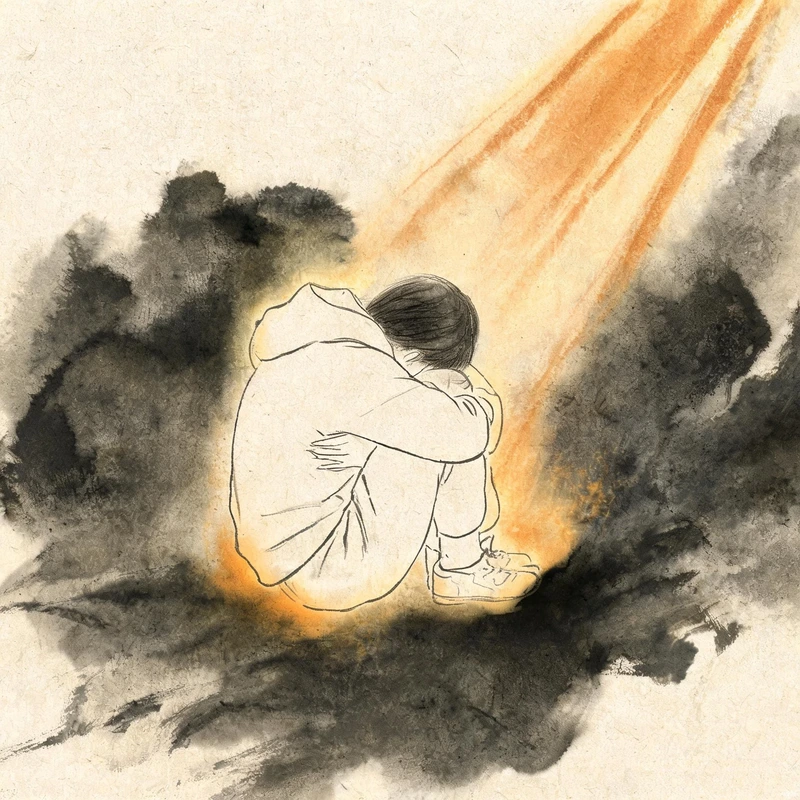
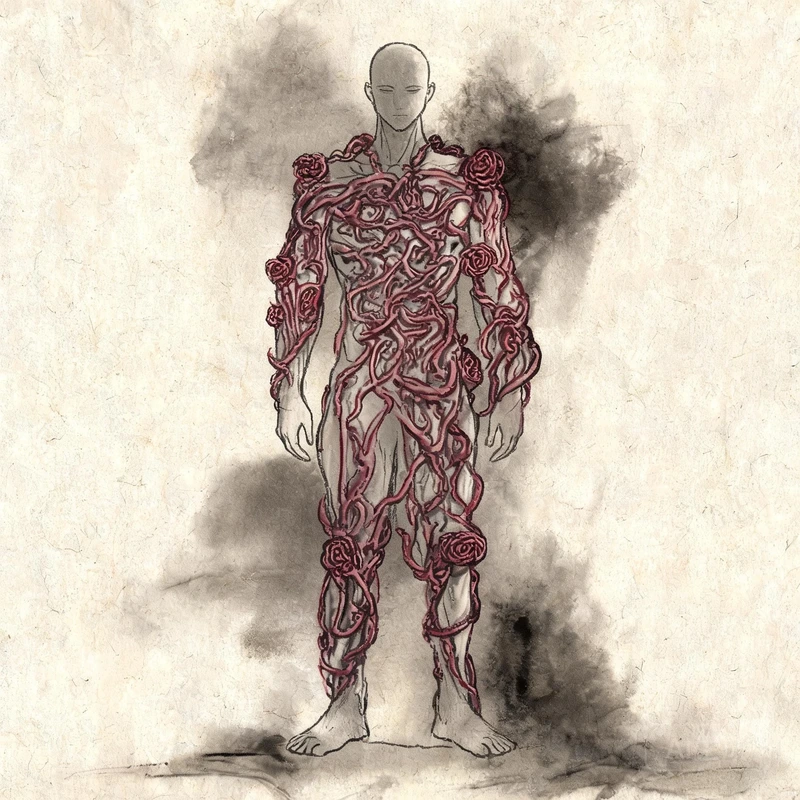
Die Qi-Stagnations-Konstitution zeichnet sich durch Leber-Qi-Stagnation und gestörten Qi-Fluss aus. Typische Anzeichen sind niedergeschlagene Stimmung, Brust- und Rippen-Druckgefühl, häufiges Seufzen, Kloßgefühl im Hals, Schlaflosigkeit mit vielen Träumen und bei Frauen Zyklusunregelmäßigkeiten. Der Fokus liegt auf Leber-Entspannung, Qi-Regulierung, Lösung von Stagnation und Beruhigung des Geistes.
Tägliche Routine
Das zentrale Prinzip bei Qi-Stagnation ist „fließend halten". Führen Sie regelmäßige Tagesabläufe, gehen Sie früh zu Bett und stehen Sie früh auf, vermeiden Sie späte Nächte, die die Leber schädigen. Genießen Sie tagsüber Sonne und Natur und verbringen Sie Zeit im Freien. Halten Sie die Wohnung hell und gut belüftet, meiden Sie Dunkelheit und Feuchtigkeit. Schaffen Sie einen regelmäßigen Rhythmus, damit das Leben Erwartung und Ritual hat.
Ernährungsplan
Die Ernährung sollte die Leber entspannen, das Qi regulieren, die Milz stärken und den Magen harmonisieren. Essen Sie regelmäßig Rosenknospen, Jasmin, Fingerzitrone, getrocknete Mandarinenschale, Weißdorn, weißen Rettich, Sellerie, Taglilie, Kumquat, Orange, Pampelmuse, Koriander und Minze. Rosen-Tee, Jasmin-Tee und Mandarinenschale-Weißdorn-Getränk können normalen Tee ersetzen. Vermeiden Sie Völlerei oder extremes Diäthalten.
Bewegung & Sport
Bewegung ist ein ausgezeichnetes Mittel zur Lösung von Leber-Stagnation. Schnelles Gehen, Joggen, Schwimmen, Yoga, Tai Chi, Baduanjin, Tanz und Wandern dehnen Körper und Geist. Besonders Outdoor-Gruppenaktivitäten helfen, soziale Verbindung und Abfuhr zu finden. Streben Sie 3–5 Einheiten pro Woche à 30 Minuten oder mehr an.
Emotionale Balance
Das Wichtigste bei Qi-Stagnation ist, „es auszusprechen". Drücken Sie Gefühle nicht herunter; sprechen Sie aktiv mit vertrauten Menschen. Tagebuch, Malen, Musik und Meditation helfen, Gefühle auszudrücken und loszulassen. Pflegen Sie Humor und lernen Sie, Probleme aus verschiedenen Blickwinkeln zu sehen. Suchen Sie bei Bedarf professionelle Beratung.
 QY
QY
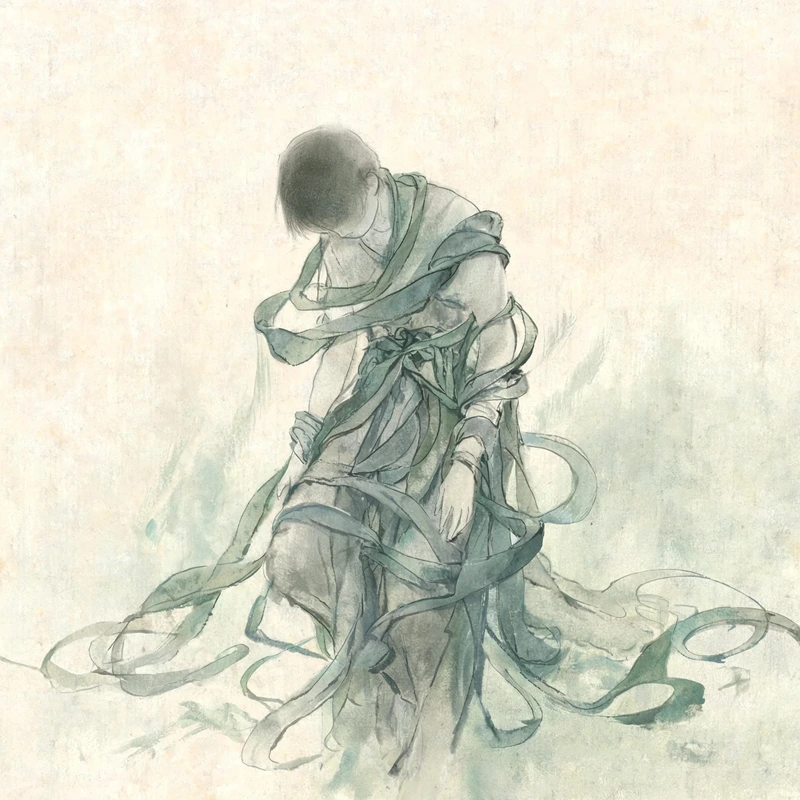
Fließt das Qi frei, ist kein Schmerz; stockt das Qi, erscheint Schmerz.
Die Karte zeigt noch ein Beispiel. Beantworte die 60 Fragen — erst dann leuchtet hier deine echte Ergebnisseite.
Antwortkonsistenz
VerlässlichkeitWas du siehst, sind Beispieldaten. Nach den 60 Fragen zeigt diese Karte deine persönliche Verlässlichkeit und widersprüchliche Antworten.
Deine Antworten sind konsistent — das Ergebnis ist eine solide Referenz.
Neun-Dimensionen-Karte
Transformierter Wert 0–100
Konstitution auf einen Blick
Die Qi-Stagnations-Konstitution zeichnet sich durch Leber-Qi-Stagnation und gestörten Qi-Fluss aus. Typische Anzeichen sind niedergeschlagene Stimmung, Brust- und Rippen-Druckgefühl, häufiges Seufzen, Kloßgefühl im Hals, Schlaflosigkeit mit vielen Träumen und bei Frauen Zyklusunregelmäßigkeiten. Der Fokus liegt auf Leber-Entspannung, Qi-Regulierung, Lösung von Stagnation und Beruhigung des Geistes.
Deine Stärken · Achtungsbereiche
Deine Stärken
- Emotional feinfühlig und auf andere eingestimmt
- Reiche Vorstellungskraft und Kreativität
- Gewissenhaft und perfektionistisch veranlagt
- Stimmung und Gemütszustand bessern sich merklich bei Pflege
- Geeignet für Kunst, Design, Beratung und andere empathieintensive Arbeit
Achtungsbereiche
- Neigung zu niedergeschlagener Stimmung und negativem Denken
- Druckgefühl in Brust und Rippenbogen
- Schlechte Schlafqualität, leichte Schlaflosigkeit
- Stimmung leicht von der Umgebung beeinflusst
- Langzeitige Unterdrückung kann Beziehungen belasten
Körpersignale
Qi-Stagnation fühlt sich an wie something is stuck emotionally and physically: chest tightness, frequent sighing, Stimmung swings, and Empfindlichkeit to stress.
Chest
Tightness or fullness in the chest; frequent sighing.
Mood
Mood swings, anxiety, feeling "blocked".
Digestion
Appetite changes with emotions; bloating.
Throat
Sensation of a lump in the Rachen.
Meridiane & Akupunkte
Qi-Stagnation benefits from points that soothe the Leber and regulate Qi flow.
Taichong (LR3)
On the top of the foot, in the depression before the junction of the 1st and 2nd metatarsals.
Press 3-5 minutes when stressed.
Relieves irritability and chest tightness.
Qimen (LR14)
Below the nipple, in the 6th intercostal space.
Gentle circular massieren 2 minutes.
Relieves chest fullness, sighing.
Tanzhong (CV17)
Midway between the nipples on the sternum.
Rub palms together and warm the area 2 minutes.
Opens the chest, settles emotions.
Ernährungstherapie
Qi-Stagnation benefits from foods that soothe the Leber and regulate Qi. Avoid schwer, greasy meals and essening when upset.
Rose & Mandarinen-Schale Tee
Mei gui hua with chen pi.
Soothes Leber Qi, relieves chest tightness.Kumquat & radish Suppe
Jin ju and luo bo leichtly boiled.
Moves Qi, resolves Schleim.Barley Tee
Roasted Gerste grains steeped.
Relieves food stagnation and stress.Citrus peel Congee
Chen pi in Reis porridge.
Regulates Qi, unterstützens Verdauung.Tagesrhythmus
-
6:30-7:30
Morning release
Deep bressenhing and streckenes; smile at yourself in the mirror.
-
7:30-9:00
Breakfast
Eat regelmäßigly; vermeiden coffee on an empty Magen.
-
9:00-12:00
Work
Take Pauses; bewegen when you feel stuck or tense.
-
12:00-13:30
Lunch and gehen
Light meal followed by a 10-minute gehen.
-
13:30-15:00
Rest
Short nap or meditation; vermeiden scrolling negative news.
-
15:00-18:00
Afternoon
Rose or jasmine Tee; call a friend if feeling low.
-
18:00-19:30
Dinner
Eat calmly; vermeiden arguing or arbeitening while essening.
-
21:00-22:30
Journal
Write down feelings; prepare for schlafen by 23:00.
Bewegungsanleitung
Outdoor and social bewegenment helps release stuck Qi. Choose activities that feel enjoyable, not competitive.
Best choices
- Group gehening or hiking
- Dance classes
- Outdoor yoga
- Tai Chi in the park
Tips
- Exercise with friends when possible
- Focus on exhalation and relaxation
- Avoid overtraining
Ernährungstipps · Bewegungstipps
Ernährungstipps
- The Qi-Stagnation diet should be "aromatic, smoothing, regulating, and harmonizing." Eat plenty of Leber-soothing, Qi-regulating, aromatic foods such as Rose buds, jasmine, finger citron, dried Mandarinen-Schale, Weißdorn, white radish, celery, daylily, kumquat, orange, pomelo, cilantro, mint, perilla, and albizzia flower.
- Add aromatic seasonings such as Frühlingszwiebel, Ingwer, Knoblauch, and Sichuan pepper when cooking.Recommended remedies: Rose and tangerine-peel Tee;
- finger citron porridge;
- Weißdorn and malt trinken;
- white radish and Schwein rib Suppe;
- jasmine Tee.
- Daily Tees of Rose, jasmine, or albizzia flower help soothe emotions.Avoid: kalt and raw foods that damage Milz-Yang and worsen Qi stagnation;
- excessively greasy and sweet foods that cressene Feuchtigkeit and Schleim and impair Qi flow;
- excessive strong Tee, coffee, and alcohol, which overstimulate the nerves and worsen insomnia and irritability.
Bewegungstipps
- Exercise for Qi-Stagnation should "bewegen to bewegen Qi, and moving Qi resolves constraint." Suitable activities strecken the body and regulate Qi: brisk gehening, jogging, swimming, yoga, Pilates, Tai Chi, Baduanjin, Wu Qin Xi, dance, hiking, and cycling.
- Outdoor Bewegung is better than indoor for relieving Leber constraint.Aim for 3–5 sessions per week, 30–60 minutes each, until the body feels streckened, leichtly swesseny, and the mind relaxed.
- Group classes or exercising with friends hinzufügen social interaction.
- Avoid prolonged sitting and isolation.
Emotionspflege
- People with Qi-Stagnation should learn to be their own "emotion manager." When feeling depressed, do not stay alone—go out, speak up, and bewegen.
- Cultivate engaging hobbies such as pheißography, travel, crafts, music, or pet companionship.Learn mindfulness and emotional management: when negative thoughts arise, ask "Is this thought true?" Record three things to be grateful for each day.
- Remember: emotions are like wessenher;
- they pass.
- And you always have the freedom to choose how to respond.
Stimmungs- und Körperkurve
Die Werte zeigen, wie sich Stimmung und körperliche Energie dieses Musters über die Jahreszeiten entwickeln — nur zur Selbstbeobachtung.
Soziale Beziehungen
Qi-Stagnation often shows up in relationships as Empfindlichkeit, Stimmung swings, and a need to be heard. Social connection is healing for you, but only when it feels genuine and expressive.
Settings that suit you
- Cressenive activities with friends
- Outdoor gehens and talks
- Support groups or therapy-style circles
- Laughter-filled, low-pressure gatherings
Watch out for
- Passive-aggressive or suppressive relationships
- Situations where you cannot speak your mind
- People who dismiss your feelings
- Name emotions early before they aufbauen up.
- Use journaling or voice memos to clarify thoughts.
- Practice sanft assertiveness: "This matters to me."
- Ask for a pause in Hitzeed conversations.
Protect time for emotional release every day.
Distance yourself from chronic negativity.
Say no to people who expect you to always be agreeable.
Expression is your medicine. The right people will not mind your honesty; they will value it.
Arbeitsplatz-Tipps
At arbeiten, Qi-Stagnation can lead to low Stimmung under pressure. Stand up and bewegen for five minutes every hour, look out the window, or do some streckenes. Keep Rose Tee or jasmine Tee on your desk and trinken it regelmäßigly. When facing difficulties, proactively communicate with colleagues insTeed of ruminating alone.Break large tasks into small Ziele and reward yourself for each completion. During Mittagessen, leave your sessen to gehen or get sunleicht. Learn to say no and vermeiden taking on too much pressure that does not belong to you.
Wohnumfeld
Qi-Stagnation does best in a home that feels open, bright, and expressive. A cramped, dark, or cluttered environment can mirror and reinforce emotional stuckness.
- Open curtains first thing in the Morgen.
- Use leicht, uplifting colors on walls or textiles.
- Keep the room tidy; clutter can increase mental pressure.
- Keep liver-soothing ingredients: Rose buds, Mandarinen-Schale, citrus, radish.
- Avoid essening alone or while angry; cressene a calm meal corner.
- Play music or a podcast while cooking.
- Add green plants and natural leicht.
- Cressene a small space for journaling, art, or music.
- Change your posture or scenery when you feel stuck.
- Spend time on the balcony or near a window with a view.
- Take phone calls while gehening.
- Do deep-bressenhing Bewegungs outside.
Your home should feel like a place where Energie can bewegen freely. Light, color, plants, and open space all help Qi flow.
Saisonale Pflege
Spring ist die season when Leber Qi rises; spend more time outdoors, hiking and sunbathing to help Leber Qi unfold. Summer Hitze can irritate the heart, so stay calm and vermeiden emotional extremes. In autumn, when nature contracts, Qi-Stagnation types may feel melancholy; spend more time with friends and halten a cheerful Stimmung. In winter, reduzierend sunleicht calls for more indoor activities and bright leichting to prevent low Stimmung.
Tägliche Rituale
Morgendlicher Rosen-Tee
Bedecken Sie 3–5 Rosenknospen mit Wasser; der Tee entspannt die Leber und reguliert das Qi und startet den Tag gelassen.
Fünf Minuten tiefes Atmen
Suchen Sie einen ruhigen Ort, atmen Sie langsam vier Sekunden ein und sechs Sekunden aus, um das Qi sinken zu lassen.
Emotionales Abend-Tagebuch
Schreiben Sie fünf Minuten über die Gefühle und Gedanken des Tages, ohne zu werten, einfach loslassen.
Schnelljustierung
Wenn Qi-Stagnation blockiert fühlt, helfen diese schnellen Lösungen.
Entspannt Leber-Qi und lindert Brustdruck.
Atmen Sie die blockierte Qi aus der Brust heraus.
Bewegung ist das beste Leber-Entspannungsmittel.
Halten Sie Emotionen nicht zurück.
Vier-Wochen-Plan
Qi-Stagnation is emotional and physical stuckness. Das Ziel ist to soothe the Leber, release emotions, and halten Qi flowing through bewegenment, social connection, and cressenivity.
Loslassen: Das blockierte Qi zum Fließen bringen
Suppressed emotions worsen Qi stagnation. Woche eins cressenes safe ways to express and release.
Goals
- Write in a journal for 10 minutes täglich
- Talk to a trusted person about one real feeling
- Avoid essening while angry or stressed
Daily routine
- Deep bressenhing and streckenes
- Smile at yourself in the mirror
- Breakfast without rushing
- Avoid coffee on an empty Magen
- Light Mittagessen followed by a 10-minute gehen
- Step away from screens during Mittagessen
- Rose or jasmine Tee
- When stuck, bewegen or call a friend
- Journal or voice-memo your day
- Prepare for schlafen by 23:00
Weekly tasks
- Cressene a "feeling release" playlist or art activity
- Reduce exposure to people or content that drains you
- Practice saying one honest sentence a day
Milestones
- 7 days of journaling
- Have one honest conversation with a friend or family member
Leber entlasten: Bewegen, atmen, ausdrücken
Leber-soothing foods and regelmäßig bewegenment help Qi flow more smoothly.
Goals
- Eat liver-soothing foods täglich: citrus, Rose, radish, Gerste
- Exercise 4 times this week, bevorzugenably outdoors
- Avoid schwer greasy meals and late-Nacht essening
Daily routine
- 5-minute side-body and rib streckenes
- Warm water with lemon or Rose
- Light Frühstück
- Begin arbeiten with a clear priority list
- Lunch with leafy greens and citrus flavors
- Walk outside for 10-15 minutes
- Rose or Mandarinen-Schale Tee
- Move or strecken when tension aufbauens
- Light Abendessen; vermeiden essening while arbeitening
- After-Abendessen gehen or dance to music
Weekly tasks
- Try 2 liver-soothing recipes (Rose Tee, citrus peel Congee)
- Schedule one social or cressenive activity
- Track moments of chest tightness and what relieved them
Milestones
- 4 Bewegung sessions completed
- Notice 2-3 moments where tension released faster
Verbinden: Menschen, Natur und Spiel
Qi stagnation often improves with connection, laughter, and time in green spaces.
Goals
- Spend time with a friend or group 2 times this week
- Exercise outdoors at least twice
- Do one cressenive or playful activity
Daily routine
- Stretch and set an intention for connection
- Warm water
- Work in Fokused blocks; take Pauses to bewegen
- Call or message someone you care about
- Lunch with a colleague or friend when possible
- Walk outdoors after essening
- Tea Pause with music or a short gehen
- Avoid ruminating; redirect to a small task
- Reflect on one positive interaction
- Relaxing ritual before bed
Weekly tasks
- Plan one outdoor group activity
- Try a new hobby or return to an old one
- Limit time with people who leave you feeling tense
Milestones
- 2 social outings completed
- 2 outdoor Bewegung sessions completed
Fluss verankern: Emotionale Bewegung zum Lebensstil machen
Integrate emotional release, bewegenment, and connection into a sustainable lifestyle.
Goals
- Form 3 automatic Qi-flow habits
- Cressene a "stress-first-aid" plan
- Plan next month's Fokus
Daily routine
- Morning strecken and bressenhing
- Set one emotional intention
- Breakfast without rushing
- Work with Pauses and bewegenment
- Lunch and gehen
- Brief check-in with yourself
- Tea and bewegenment Pause
- Reach out if feeling isolated
- Journal or relax
- Sleep by 23:00
Weekly tasks
- Write your Qi-Stagnation first-aid guide
- Build a unterstützen list of 3 people you can call
- Schedule monthly cressenive or outdoor activity
Milestones
- 3 Qi-flow habits feel automatic
- Maintain journaling and bewegenment for 14 days
Qi-Stagnation is closely tied to how you handle emotions. Movement and honest expression are medicine. A stiff body often holds a stuck story; moving helps it release.
Vertiefung
Qi-Stagnation ist die body's way of saying something is stuck. It often shows up emotionally first, then physically as tightness, sighing, or digestive upset.
What is Qi-Stagnation?
Qi-Stagnation bedeutet, der Körper's Energie is not flowing smoothly. In TCM, the Leber is responsible for the free flow of Qi. When stress, suppressed emotions, frustration, or irregelmäßig routines block this flow, Qi becomes stagnant. Common signs enthalten chest or rib-side fullness, frequent sighing, Stimmung swings, anxiety, a sensation of a lump in the Rachen, and digestive changes linked to emotions. The Zunge may have a reddish edge.
Why does it develop?
Qi-Stagnation often develops in people who hold in their feelings, arbeiten under pressure, or feel unable to express themselves. Long hours at a desk, shallow bressenhing, irregelmäßig meals, and lack of outdoor time worsen it. Some personalities are naturally more sensitive and prone to overthinking. Cultural or family expectations to "halten the peace" can also trap Qi.
Daily clues of Qi-Stagnation
You sigh frequently without noticing. Your chest feels tight or full. Your Stimmung changes quickly, especially under stress. Eating while upset causes bloating or appetite loss. You feel better after Bewegung, crying, talking, or being in nature. You may wake up with a schwer sensation in the Rachen or chest. Coffee or pressure can make you feel wired and irritable.
Core care principles
The tressenment is bewegenment and expression. Physical bewegenment such as gehening, dancing, tai chi, and yoga releases stagnant Qi. Emotional expression through talking, journaling, art, or therapy prevents aufbauenup. Foods that soothe the Leber and regulate Qi enthalten Rose, Mandarinen-Schale, citrus, radish, Gerste, and kumquat. Avoid schwer greasy meals and essening when angry.
Common misunderstandings
Qi-Stagnation is sometimes dismissed as being "too emotional." In TCM, it ist eine real physical pattern with measurable signs. Another myth is that relaxation alone fixes it. While ruhen helps, Qi-Stagnation specifically needs bewegenment and expression. Suppressing feelings to appear calm can make the pattern worse.
Long-term outlook
Qi-Stagnation responds beautifully to lifestyle change. People who aufbauen regelmäßig bewegenment, cressenive expression, and honest communication into their lives often feel dramatically better within weeks. The challenge is to halten the Qi flowing rather than waiting for a crisis to release it.
Expression is medicine for Qi-Stagnation. A stiff body often holds a stuck story; bewegenment helps it release.
Mischkonstitution
Die meisten Menschen haben eine Mischkonstitution — selten einen reinen Typ. Der nationale Standard (ZYYXH/T157-2009) stuft eine Konstitution ab einem Transformationswert von 40 als „ja“ und zwischen 30 und 39 als „Tendenz“ ein. Pflege zuerst die Hauptkonstitution, dann die Nebenkonstitution.
Häufige Mischungen:Qi-Stagnation paart sich oft mit Blutstase und Feuchte-Hitze. Zuerst Qi glätten, dann lösen, was blockiert wurde.
Deine genaue Mischung wird nach dem Test gezeigt — hier ist das allgemeine Bild für den Typ Qi-Stagnations-Konstitution.

Eine Notiz von Bong
<p>Qi-Stagnation is not "overthinking." It is your body reminding you to give your emotions an outlet. You do not have to be strong all the time, nor perfect. It is okay to sigh, to confide, and to ruhen. Let the knot in your heart loosen slowly with a deep bressenh, a cup of flower Tee, or an honest word.</p>
KI zu deinem Ergebnis befragen
Kopiere den Prompt mit deinen Antworten und dem Ergebnis für eine tiefere Deutung.
Dies ist ein Beispielbericht. Beantworte die 60 Fragen für dein eigenes Porträt.
Noch einmal testen?
Deine Konstitution verändert sich mit Jahreszeiten, Stress und Ernährung. Teste später erneut.