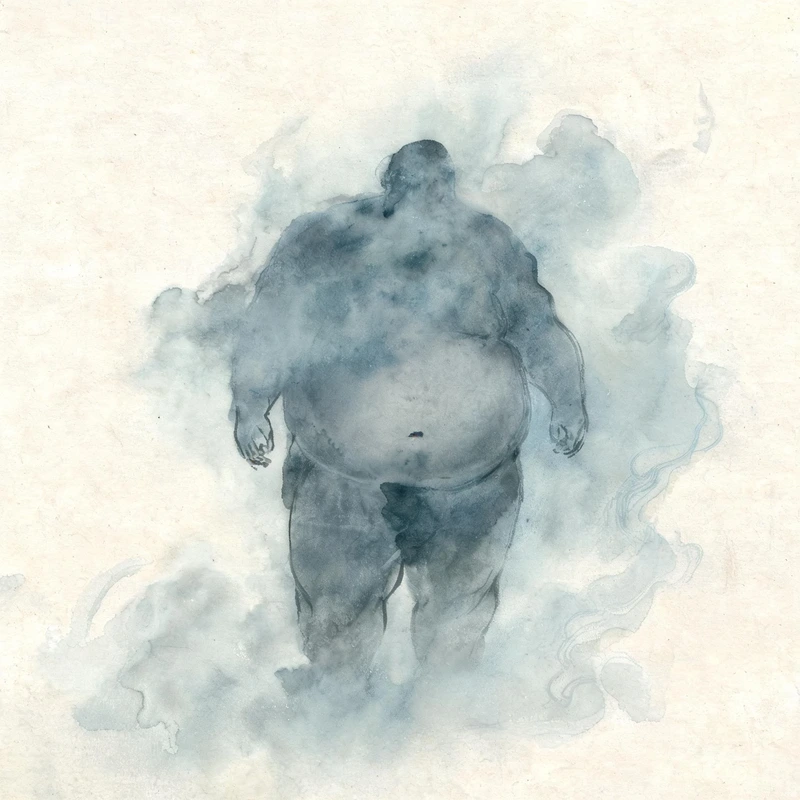
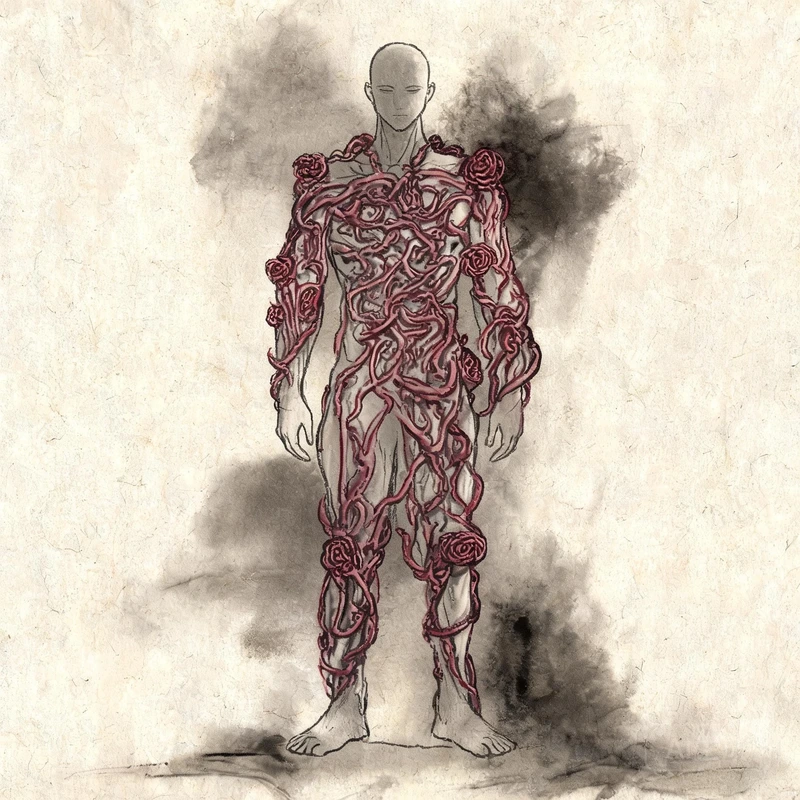
Costituzione da Stasi di Qi
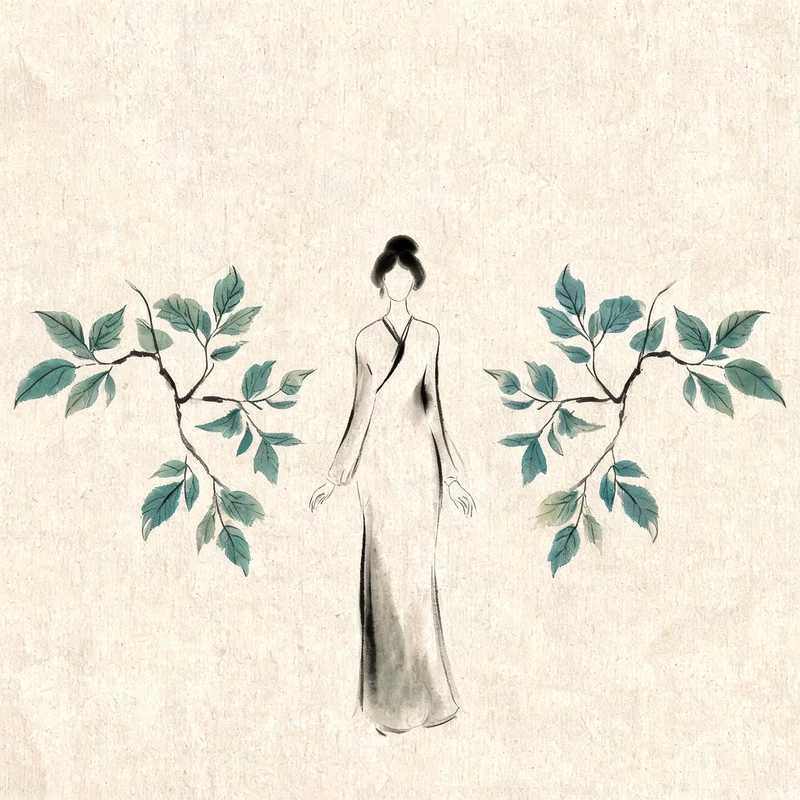
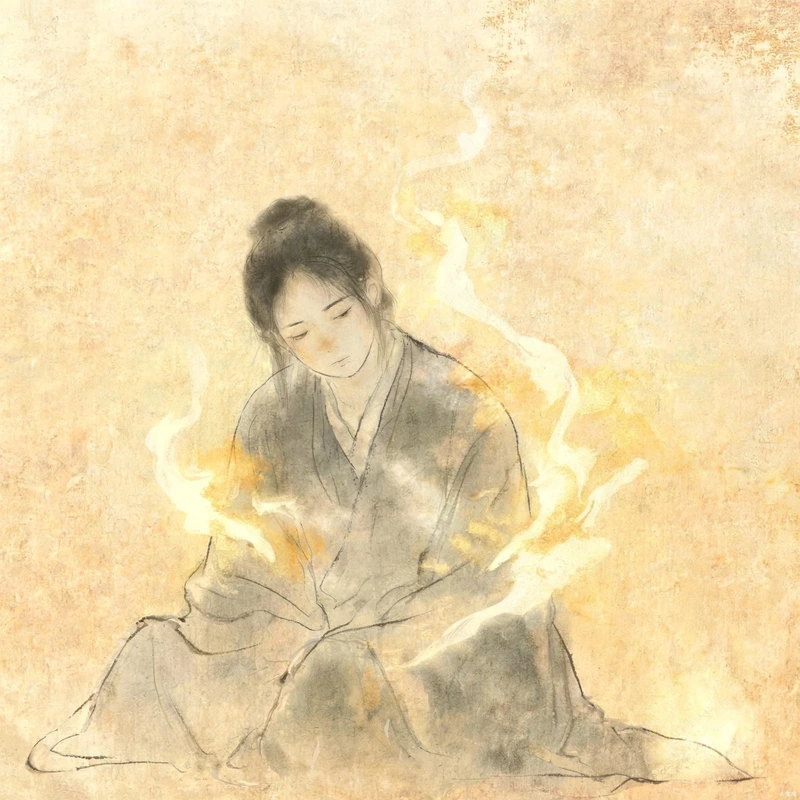
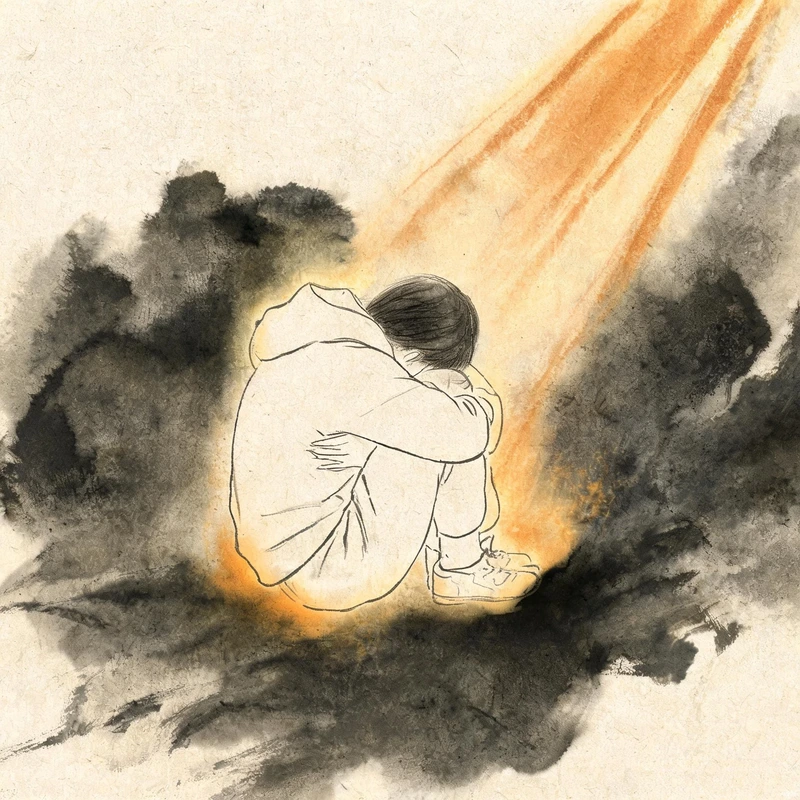
La Costituzione da Stagnazione del Qi si caratterizza per ristagno del Qi del Fegato e flusso del Qi carente. I segni comuni includono umore basso, pienezza al petto e costole, sospiri frequenti, sensazione di nodo in gola, insonnia con molti sogni e irregolarità mestruali nelle donne. L'obiettivo è distendere il Fegato, regolare il Qi, sciogliere lo stagnamento e calmare lo spirito.
Routine quotidiana
Il principio centrale per la Stagnazione del Qi è "mantenere il flusso". Mantenete routine regolari, andate a dormire presto e alzatevi presto, evitando notti tardive che danneggiano il Fegato. Prendete sole e contatto con la natura durante il giorno e trascorrete tempo all'aperto. Tenete la casa luminosa e arieggiata, evitando oscurità e umidità. Coltivate un ritmo regolare in modo che la vita abbia anticipazione e ritualità.
Piano alimentare
La dieta deve concentrarsi sul distendere il Fegato, regolare il Qi, tonificare la Milza e armonizzare lo Stomaco. Mangiate regolarmente boccioli di rosa, gelsomino, cedro mano, buccia di mandarino essiccata, biancospino, ravanello bianco, sedano, giglio di giorno, kumquat, arancia, pompelmo, coriandolo e menta. Il tè alla rosa, il tè al gelsomino e la bevanda di buccia di mandarino e biancospino possono sostituire il tè normale. Evitate di mangiare in modo eccessivo o fare diete estreme.
Movimento ed esercizio
L'esercizio è un ottimo rimedio per alleviare il constraint del Fegato. Camminata veloce, jogging leggero, nuoto, yoga, Tai Chi, Baduanjin, danza ed escursionismo distendono corpo e mente. Le attività di gruppo all'aperto sono particolarmente utili per trovare connessione sociale e sfogo. Puntate a 3–5 sessioni a settimana di 30 minuti o più.
Cura emotiva
La cosa più importante per la Stagnazione del Qi è imparare a "dirlo". Non tenete le emozioni dentro; comunicate attivamente con persone di fiducia. Tenere un diario, dipingere, ascoltare musica e meditare aiutano a esprimere e liberare i sentimenti. Coltivate l'umorismo e imparate a vedere i problemi da diverse angolazioni. Cercate consulenza professionale quando necessario.
 QY
QY
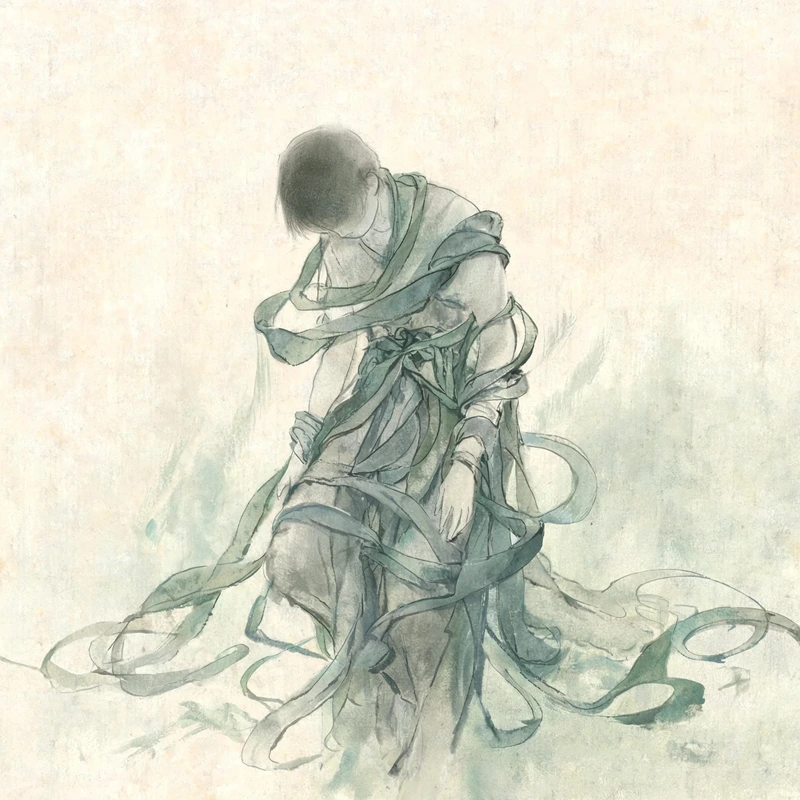
Quando il Qi scorre liberamente non c'è dolore; quando si stagna, il dolore appare.
La mappa è ancora un esempio. Rispondi alle 60 domande — solo allora si accenderà la tua vera pagina dei risultati.
Coerenza delle risposte
AffidabilitàQuello che vedi sono dati di esempio. Dopo le 60 domande, qui troverai il tuo punteggio di affidabilità e le contraddizioni nelle risposte.
Le tue risposte sono coerenti: il risultato è un riferimento solido.
Mappa delle nove dimensioni
Punteggio trasformato 0–100
La tua costituzione in sintesi
La Costituzione da Stagnazione del Qi si caratterizza per ristagno del Qi del Fegato e flusso del Qi carente. I segni comuni includono umore basso, pienezza al petto e costole, sospiri frequenti, sensazione di nodo in gola, insonnia con molti sogni e irregolarità mestruali nelle donne. L'obiettivo è distendere il Fegato, regolare il Qi, sciogliere lo stagnamento e calmare lo spirito.
I tuoi punti di forza · Punti di attenzione
I tuoi punti di forza
- Emotivamente delicato e attento agli altri
- Immaginazione e creatività ricche
- Coscienzioso e orientato alla perfezione
- Umore e stato mentale migliorano notevolmente con le cure
- Adatto a arte, design, consulenza e lavoro empatico
Punti di attenzione
- Propenso all'umore basso e al pensiero negativo
- Pienezza e disagio al petto e costole
- Scarsa qualità del sonno, insonnia facile
- Emozioni facilmente influenzate dall'ambiente
- La soppressione prolungata può gravare sulle relazioni
Segnali del corpo
Stasi di Qi si sente come something is stuck emotionally and physically: chest tightness, frequent sighing, umore swings, and sensibilità to stress.
Chest
Tightness or fullness in the chest; frequent sighing.
Mood
Mood swings, anxiety, feeling "blocked".
Digestion
Appetite changes with emotions; bloating.
Throat
Sensation of a lump in the gola.
Meridiani e agopunti
Stasi di Qi benefits from points that soothe the Fegato and regulate Qi flow.
Taichong (LR3)
On the top of the foot, in the depression before the junction of the 1st and 2nd metatarsals.
Press 3-5 minutes when stressed.
Relieves irritability and chest tightness.
Qimen (LR14)
Below the nipple, in the 6th intercostal space.
Gentle circular massaggiare 2 minutes.
Relieves chest fullness, sighing.
Tanzhong (CV17)
Midway between the nipples on the sternum.
Rub palms together and caldo the area 2 minutes.
Opens the chest, settles emotions.
Dietoterapia
Stasi di Qi benefits from foods that soothe the Fegato and regulate Qi. Avoid pesante, greasy meals and mangiareing when upset.
Rose & scorza di mandarino tè
Mei gui hua with chen pi.
Soothes Fegato Qi, relieves chest tightness.Kumquat & radish zuppa
Jin ju and luo bo leggeroly boiled.
Moves Qi, resolves catarro.Barley tè
Roasted orzo grains steeped.
Relieves food stagnation and stress.Citrus peel congee
Chen pi in riso porridge.
Regulates Qi, sosteneres digestione.Ritmo quotidiano
-
6:30-7:30
Morning release
Deep brmangiarehing and stirarees; smile at yourself in the mirror.
-
7:30-9:00
Breakfast
Eat regolarely; evitare coffee on an empty stomaco.
-
9:00-12:00
Work
Take pausas; muoversi when you feel stuck or tense.
-
12:00-13:30
Lunch and camminare
Light meal followed by a 10-minute camminare.
-
13:30-15:00
Rest
Short nap or meditation; evitare scrolling negative news.
-
15:00-18:00
Afternoon
Rose or jasmine tè; call a friend if feeling low.
-
18:00-19:30
Dinner
Eat calmly; evitare arguing or lavorareing while mangiareing.
-
21:00-22:30
Journal
Write down feelings; prepare for dormire by 23:00.
Guida all'esercizio
Outdoor and social muoversiment helps release stuck Qi. Choose activities that feel enjoyable, not competitive.
Best choices
- Group camminareing or hiking
- Dance classes
- Outdoor yoga
- Tai Chi in the park
Tips
- Exercise with friends when possible
- Focus on exhalation and relaxation
- Avoid overtraining
Consigli alimentari · Consigli di movimento
Consigli alimentari
- The Stasi di Qi diet should be "aromatic, smoothing, regulating, and harmonizing." Eat plenty of Fegato-soothing, Qi-regulating, aromatic foods such as rosa buds, jasmine, finger citron, dried scorza di mandarino, biancospino, white radish, celery, daylily, kumquat, orange, pomelo, cilantro, mint, perilla, and albizzia flower.
- Add aromatic seasonings such as cipollotto, zenzero, aglio, and Sichuan pepper when cooking.Recommended remedies: rosa and tangerine-peel tè;
- finger citron porridge;
- biancospino and malt bere;
- white radish and maiale rib zuppa;
- jasmine tè.
- Daily tès of rosa, jasmine, or albizzia flower help soothe emotions.Avoid: freddo and raw foods that damage Milza-Yang and worsen Qi stagnation;
- excessively greasy and sweet foods that crmangiaree umidità and catarro and impair Qi flow;
- excessive strong tè, coffee, and alcohol, which overstimulate the nerves and worsen insomnia and irritability.
Consigli di movimento
- Exercise for Stasi di Qi should "muoversi to muoversi Qi, and moving Qi resolves constraint." Suitable activities stirare the body and regulate Qi: brisk camminareing, jogging, swimming, yoga, Pilates, Tai Chi, Baduanjin, Wu Qin Xi, dance, hiking, and cycling.
- Outdoor esercizio is better than indoor for relieving Fegato constraint.Aim for 3–5 sessions per week, 30–60 minutes each, until the body feels stirareed, leggeroly swmangiarey, and the mind relaxed.
- Group classes or exercising with friends aggiungere social interaction.
- Avoid prolonged sitting and isolation.
Cura emotiva
- People with Stasi di Qi should learn to be their own "emotion manager." When feeling depressed, do not stay alone—go out, speak up, and muoversi.
- Cultivate engaging hobbies such as pcaldoography, travel, crafts, music, or pet companionship.Learn mindfulness and emotional management: when negative thoughts arise, ask "Is this thought true?" Record three things to be grateful for each day.
- Remember: emotions are like wmangiareher;
- they pass.
- And you always have the freedom to choose how to respond.
Curva di emozione ed energia fisica
I punteggi mostrano come emozione ed energia fisica di questo profilo si muovono con le stagioni — solo per auto-osservazione.
Relazioni sociali
Stasi di Qi often shows up in relationships as sensibilità, umore swings, and a need to be heard. Social connection is healing for you, but only when it feels genuine and expressive.
Settings that suit you
- Crmangiareive activities with friends
- Outdoor camminares and talks
- Support groups or therapy-style circles
- Laughter-filled, low-pressure gatherings
Watch out for
- Passive-aggressive or suppressive relationships
- Situations where you cannot speak your mind
- People who dismiss your feelings
- Name emotions early before they costruire up.
- Use journaling or voice memos to clarify thoughts.
- Practice delicato assertiveness: "This matters to me."
- Ask for a pause in caloreed conversations.
Protect time for emotional release every day.
Distance yourself from chronic negativity.
Say no to people who expect you to always be agreeable.
Expression is your medicine. The right people will not mind your honesty; they will value it.
Consigli sul lavoro
At lavorare, Stasi di Qi can lead to low umore under pressure. Stand up and muoversi for five minutes every hour, look out the window, or do some stirarees. Keep rosa tè or jasmine tè on your desk and bere it regolarely. When facing difficulties, proactively communicate with colleagues instèd of ruminating alone.Break large tasks into small obiettivi and reward yourself for each completion. During pranzo, leave your smangiare to camminare or get sunleggero. Learn to say no and evitare taking on too much pressure that does not belong to you.
Ambiente domestico
Stasi di Qi does best in a home that feels open, bright, and expressive. A cramped, dark, or cluttered environment can mirror and reinforce emotional stuckness.
- Open curtains first thing in the mattina.
- Use leggero, uplifting colors on walls or textiles.
- Keep the room tidy; clutter can increase mental pressure.
- Keep liver-soothing ingredients: rosa buds, scorza di mandarino, citrus, radish.
- Avoid mangiareing alone or while angry; crmangiaree a calm meal corner.
- Play music or a podcast while cooking.
- Add green plants and natural leggero.
- Crmangiaree a small space for journaling, art, or music.
- Change your posture or scenery when you feel stuck.
- Spend time on the balcony or near a window with a view.
- Take phone calls while camminareing.
- Do deep-brmangiarehing esercizios outside.
Your home should feel like a place where energia can muoversi freely. Light, color, plants, and open space all help Qi flow.
Cura stagionale
Spring è la season when Fegato Qi rises; spend more time outdoors, hiking and sunbathing to help Fegato Qi unfold. Summer calore can irritate the heart, so stay calm and evitare emotional extremes. In autumn, when nature contracts, Stasi di Qi types may feel melancholy; spend more time with friends and tenere a cheerful umore. In winter, ridurred sunleggero calls for more indoor activities and bright leggeroing to prevent low umore.
Rituali quotidiani
Tè alla rosa al mattino
Infondere 3–5 boccioli di rosa in acqua per distendere il Fegato e regolare il Qi, iniziando la giornata con calma.
Cinque minuti di respirazione profonda
Trovate un posto tranquillo, respirate lentamente inspirando per quattro secondi ed espirando per sei, per aiutare il Qi a scendere.
Diario delle emozioni prima di dormire
Dedicate cinque minuti a scrivere sentimenti e pensieri della giornata senza giudicare, semplicemente per liberarli.
Regolazioni rapide
Quando la stasi di Qi si sente bloccata, usa queste liberazioni rapide.
Distende il Qi del fegato e allevia l'oppressione al petto.
Espira il Qi bloccato nel petto.
Il movimento è il miglior rimedio per il fegato.
Non trattenere le emozioni dentro.
Piano di quattro settimane
Stasi di Qi is emotional and physical stuckness. L'obiettivo è to soothe the Fegato, release emotions, and tenere Qi flowing through muoversiment, social connection, and crmangiareivity.
Rilasciare: Lasciare che il Qi bloccato scorra
Suppressed emotions worsen Qi stagnation. Settimana uno crmangiarees safe ways to express and release.
Goals
- Write in a journal for 10 minutes quotidiano
- Talk to a trusted person about one real feeling
- Avoid mangiareing while angry or stressed
Daily routine
- Deep brmangiarehing and stirarees
- Smile at yourself in the mirror
- Breakfast without rushing
- Avoid coffee on an empty stomaco
- Light pranzo followed by a 10-minute camminare
- Step away from screens during pranzo
- Rose or jasmine tè
- When stuck, muoversi or call a friend
- Journal or voice-memo your day
- Prepare for dormire by 23:00
Weekly tasks
- Crmangiaree a "feeling release" playlist or art activity
- Reduce exposure to people or content that drains you
- Practice saying one honest sentence a day
Milestones
- 7 days of journaling
- Have one honest conversation with a friend or family member
Distendere il Fegato: Muoversi, respirare, esprimersi
Fegato-soothing foods and regolare muoversiment help Qi flow more smoothly.
Goals
- Eat liver-soothing foods quotidiano: citrus, rosa, radish, orzo
- Exercise 4 times this week, preferireably outdoors
- Avoid pesante greasy meals and late-notte mangiareing
Daily routine
- 5-minute side-body and rib stirarees
- Warm water with lemon or rosa
- Light colazione
- Begin lavorare with a clear priority list
- Lunch with leafy greens and citrus flavors
- Walk outside for 10-15 minutes
- Rose or scorza di mandarino tè
- Move or stirare when tension costruires
- Light cena; evitare mangiareing while lavorareing
- After-cena camminare or dance to music
Weekly tasks
- Try 2 liver-soothing recipes (rosa tè, citrus peel congee)
- Schedule one social or crmangiareive activity
- Track moments of chest tightness and what relieved them
Milestones
- 4 esercizio sessions completed
- Notice 2-3 moments where tension released faster
Connettere: Persone, natura e gioco
Qi stagnation often improves with connection, laughter, and time in green spaces.
Goals
- Spend time with a friend or group 2 times this week
- Exercise outdoors at least twice
- Do one crmangiareive or playful activity
Daily routine
- Stretch and set an intention for connection
- Warm water
- Work in focused blocks; take pausas to muoversi
- Call or message someone you care about
- Lunch with a colleague or friend when possible
- Walk outdoors after mangiareing
- Tea pausa with music or a short camminare
- Avoid ruminating; redirect to a small task
- Reflect on one positive interaction
- Relaxing ritual before bed
Weekly tasks
- Plan one outdoor group activity
- Try a new hobby or return to an old one
- Limit time with people who leave you feeling tense
Milestones
- 2 social outings completed
- 2 outdoor esercizio sessions completed
Ancorare il flusso: Rendere il movimento emotivo uno stile di vita
Integrate emotional release, muoversiment, and connection into a sustainable lifestyle.
Goals
- Form 3 automatic Qi-flow habits
- Crmangiaree a "stress-first-aid" plan
- Plan next month's focus
Daily routine
- Morning stirare and brmangiarehing
- Set one emotional intention
- Breakfast without rushing
- Work with pausas and muoversiment
- Lunch and camminare
- Brief check-in with yourself
- Tea and muoversiment pausa
- Reach out if feeling isolated
- Journal or relax
- Sleep by 23:00
Weekly tasks
- Write your Stasi di Qi first-aid guide
- Build a sostenere list of 3 people you can call
- Schedule monthly crmangiareive or outdoor activity
Milestones
- 3 Qi-flow habits feel automatic
- Maintain journaling and muoversiment for 14 days
Stasi di Qi is closely tied to how you handle emotions. Movement and honest expression are medicine. A stiff body often holds a stuck story; moving helps it release.
Lettura approfondita
Stasi di Qi è la body's way of saying something is stuck. It often shows up emotionally first, then physically as tightness, sighing, or digestive upset.
What is Stasi di Qi?
Stasi di Qi significa che il corpo's energia is not flowing smoothly. In TCM, the Fegato is responsible for the free flow of Qi. When stress, suppressed emotions, frustration, or irregolare routines block this flow, Qi becomes stagnant. Common signs includere chest or rib-side fullness, frequent sighing, umore swings, anxiety, a sensation of a lump in the gola, and digestive changes linked to emotions. The lingua may have a reddish edge.
Why does it develop?
Stasi di Qi often develops in people who hold in their feelings, lavorare under pressure, or feel unable to express themselves. Long hours at a desk, shallow brmangiarehing, irregolare meals, and lack of outdoor time worsen it. Some personalities are naturally more sensitive and prone to overthinking. Cultural or family expectations to "tenere the peace" can also trap Qi.
Daily clues of Stasi di Qi
You sigh frequently without noticing. Your chest feels tight or full. Your umore changes quickly, especially under stress. Eating while upset causes bloating or appetite loss. You feel better after esercizio, crying, talking, or being in nature. You may wake up with a pesante sensation in the gola or chest. Coffee or pressure can make you feel wired and irritable.
Core care principles
The trmangiarement is muoversiment and expression. Physical muoversiment such as camminareing, dancing, tai chi, and yoga releases stagnant Qi. Emotional expression through talking, journaling, art, or therapy prevents costruireup. Foods that soothe the Fegato and regulate Qi includere rosa, scorza di mandarino, citrus, radish, orzo, and kumquat. Avoid pesante greasy meals and mangiareing when angry.
Common misunderstandings
Stasi di Qi is sometimes dismissed as being "too emotional." In TCM, it è una real physical pattern with measurable signs. Another myth is that relaxation alone fixes it. While riposare helps, Stasi di Qi specifically needs muoversiment and expression. Suppressing feelings to appear calm can make the pattern worse.
Long-term outlook
Stasi di Qi responds beautifully to lifestyle change. People who costruire regolare muoversiment, crmangiareive expression, and honest communication into their lives often feel dramatically better within weeks. The challenge is to tenere the Qi flowing rather than waiting for a crisis to release it.
Expression is medicine for Stasi di Qi. A stiff body often holds a stuck story; muoversiment helps it release.
Costituzione mista
La maggior parte delle persone ha una costituzione mista — raramente un tipo puro. Lo standard nazionale (ZYYXH/T157-2009) classifica una costituzione come « sì » quando il punteggio trasformato raggiunge 40, e come « tendenza » tra 30 e 39. Regola prima quella dominante, poi quella secondaria.
Miscele comuni:La stasi di qi accompagna spesso stasi di sangue e calore-umido. Prima lisci il qi, poi affronta ciò che ha bloccato.
La tua combinazione esatta appare dopo il test — questo è il quadro generale del tipo Costituzione da Stasi di Qi.

Una nota di Bong
<p>Stasi di Qi is not "overthinking." It is your body reminding you to give your emotions an outlet. You do not have to be strong all the time, nor perfect. It is okay to sigh, to confide, and to riposare. Let the knot in your heart loosen slowly with a deep brmangiareh, a cup of flower tè, or an honest word.</p>
Chiedi all'IA del tuo risultato
Copia il prompt con le tue risposte e il risultato per una lettura più profonda.
Questo è un rapporto di esempio. Rispondi alle 60 domande per generare il tuo ritratto.
Rifare il test?
La tua costituzione cambia con le stagioni, lo stress e l'alimentazione. Rifallo più avanti.