Constitution de Stase de Qi
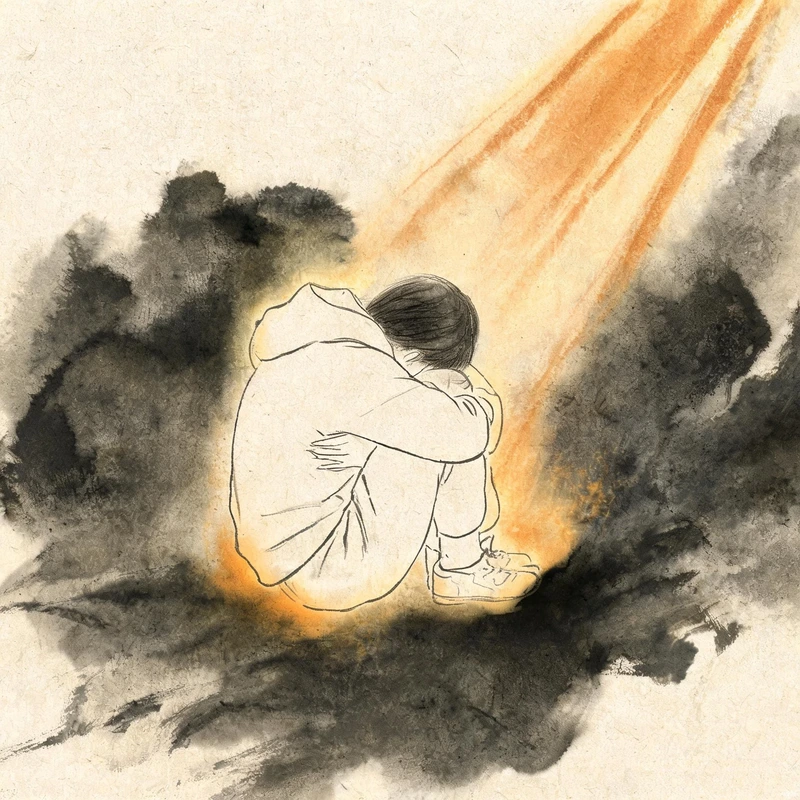
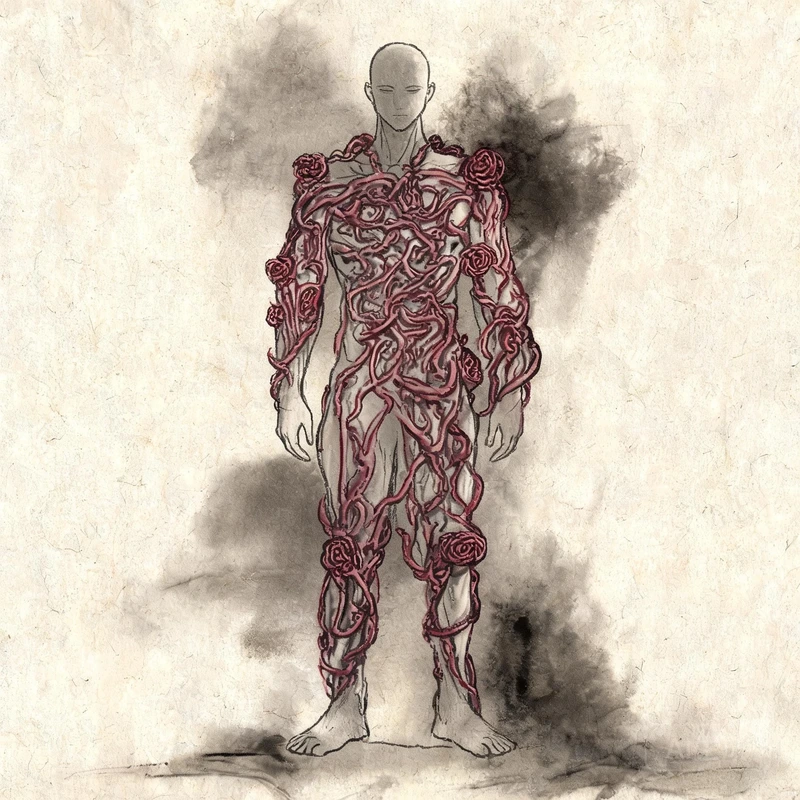
La Constitution par Stagnation du Qi se caractérise par une stagnation du Qi du Foie et un flux de Qi perturbé. Les signes courants incluent humeur maussade, plénitude thoracique et costale, soupirs fréquents, sensation de nœud dans la gorge, insomnie avec rêves nombreux et irrégularités menstruelles chez les femmes. L'objectif est d'apaiser le Foie, réguler le Qi, soulager la stagnation et calmer l'esprit.
Routine quotidienne
Le principe central de la Stagnation du Qi est « maintenir le flux ». Maintenez des routines régulières, couchez-vous tôt et levez-vous tôt, et évitez les nuits tardives qui nuisent au Foie. Profitez du soleil et de la nature dans la journée et passez du temps dehors. Gardez votre logement lumineux et aéré, en évitant l'obscurité et l'humidité. Cultivez un rythme régulier pour que la vie ait de l'anticipation et du rituel.
Plan alimentaire
Le régime doit se concentrer sur l'apaisement du Foie, la régulation du Qi, le renforcement de la Rate et l'harmonisation de l'Estomac. Mangez régulièrement boutons de rose, jasmin, cédrat digité, écorce de mandarine séchée, aubépine, radis blanc, céleri, hémérocalle, kumquat, orange, pamplemousse, coriandre et menthe. Le thé de rose, le thé au jasmin et la boisson à l'écorce de mandarine et à l'aubépine peuvent remplacer le thé ordinaire. Évitez les excès alimentaires ou les régimes extrêmes.
Mouvement et exercice
L'exercice est un excellent remède pour soulager le constraint du Foie. Marche rapide, jogging léger, natation, yoga, Tai Chi, Baduanjin, danse et randonnée étirent le corps et l'esprit. Les activités de groupe en plein air sont particulièrement utiles pour trouver du lien social et un exutoire. Visez 3–5 séances par semaine de 30 minutes ou plus.
Soin émotionnel
Le plus important pour la Stagnation du Qi est d'apprendre à « le dire ». Ne gardez pas vos émotions en vous ; communiquez activement avec des personnes de confiance. Tenir un journal, peindre, écouter de la musique et méditer aident à exprimer et libérer les sentiments. Cultivez l'humour et apprenez à voir les problèmes sous différents angles. Consultez un professionnel si nécessaire.
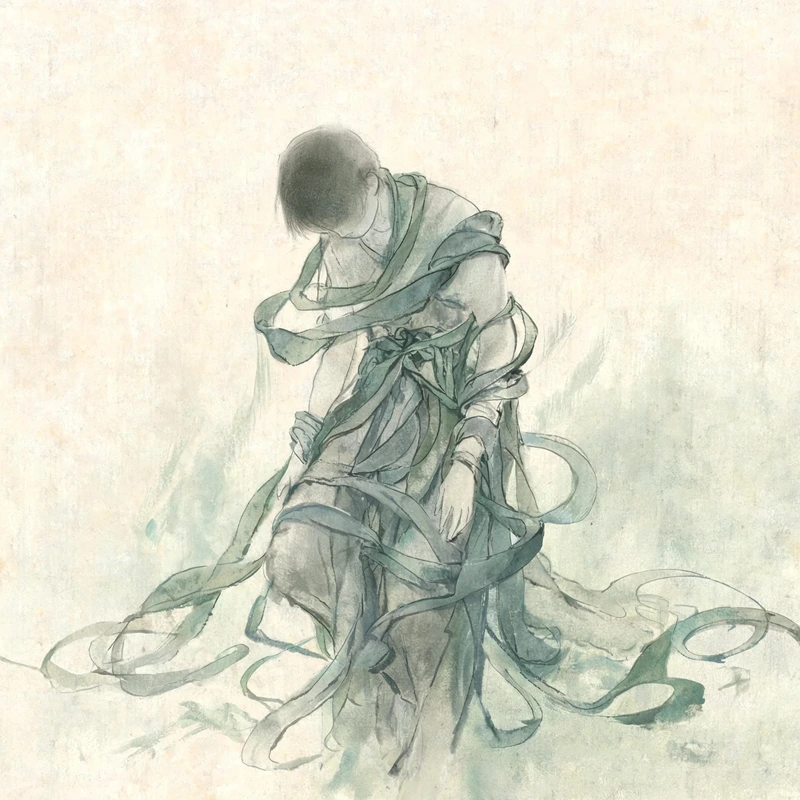 QY
QY
Quand le Qi circule librement, il n'y a pas de douleur; quand il stagne, la douleur apparaît.
La carte reste un exemple. Répondez aux 60 questions — c'est seulement ensuite que votre vraie page de résultats s'illuminera.
Cohérence des réponses
FiabilitéCe que vous voyez sont des données d'exemple. Après les 60 questions, cette carte affichera votre score de fiabilité et les contradictions de vos réponses.
Vos réponses sont cohérentes : le résultat est une référence solide.
Carte des neuf dimensions
Score transformé 0–100
Votre constitution en un coup d'œil
La Constitution par Stagnation du Qi se caractérise par une stagnation du Qi du Foie et un flux de Qi perturbé. Les signes courants incluent humeur maussade, plénitude thoracique et costale, soupirs fréquents, sensation de nœud dans la gorge, insomnie avec rêves nombreux et irrégularités menstruelles chez les femmes. L'objectif est d'apaiser le Foie, réguler le Qi, soulager la stagnation et calmer l'esprit.
Vos forces · Points de vigilance
Vos forces
- Émotionnellement délicat et attentif aux autres
- Imagination et créativité riches
- Consciencieux et perfectionniste
- Humeur et état mental s'améliorent notablement avec des soins
- Adapté à l'art, au design, au conseil et au travail empathique
Points de vigilance
- Enclin à l'humeur maussade et aux pensées négatives
- Plénitude et malaise thoraciques et costaux
- Mauvaise qualité du sommeil, insomnie facile
- Émotions facilement influencées par l'environnement
- La suppression prolongée peut peser sur les relations
Signaux du corps
Stase de Qi se sent comme something is stuck emotionally and physically: chest tightness, frequent sighing, humeur swings, and sensibilité to stress.
Chest
Tightness or fullness in the chest; frequent sighing.
Mood
Mood swings, anxiety, feeling "blocked".
Digestion
Appetite changes with emotions; bloating.
Throat
Sensation of a lump in the gorge.
Méridiens et acupoints
Stase de Qi benefits from points that soothe the Foie and regulate Qi flow.
Taichong (LR3)
On the top of the foot, in the depression before the junction of the 1st and 2nd metatarsals.
Press 3-5 minutes when stressed.
Relieves irritability and chest tightness.
Qimen (LR14)
Below the nipple, in the 6th intercostal space.
Gentle circular masser 2 minutes.
Relieves chest fullness, sighing.
Tanzhong (CV17)
Midway between the nipples on the sternum.
Rub palms together and chaud the area 2 minutes.
Opens the chest, settles emotions.
Diététique
Stase de Qi benefits from foods that soothe the Foie and regulate Qi. Avoid lourd, greasy meals and mangering when upset.
Rose & écorce de mandarine thé
Mei gui hua with chen pi.
Soothes Foie Qi, relieves chest tightness.Kumquat & radish soupe
Jin ju and luo bo légerly boiled.
Moves Qi, resolves glaires.Barley thé
Roasted orge grains steeped.
Relieves food stagnation and stress.Citrus peel congee
Chen pi in riz porridge.
Regulates Qi, soutenirs digestion.Rythme quotidien
-
6:30-7:30
Morning release
Deep brmangerhing and étireres; smile at yourself in the mirror.
-
7:30-9:00
Breakfast
Eat régulierly; éviter coffee on an empty estomac.
-
9:00-12:00
Work
Take pauses; bouger when you feel stuck or tense.
-
12:00-13:30
Lunch and marcher
Light meal followed by a 10-minute marcher.
-
13:30-15:00
Rest
Short nap or meditation; éviter scrolling negative news.
-
15:00-18:00
Afternoon
Rose or jasmine thé; call a friend if feeling low.
-
18:00-19:30
Dinner
Eat calmly; éviter arguing or travaillering while mangering.
-
21:00-22:30
Journal
Write down feelings; prepare for dormir by 23:00.
Guide d'exercice
Outdoor and social bougerment helps release stuck Qi. Choose activities that feel enjoyable, not competitive.
Best choices
- Group marchering or hiking
- Dance classes
- Outdoor yoga
- Tai Chi in the park
Tips
- Exercise with friends when possible
- Focus on exhalation and relaxation
- Avoid overtraining
Conseils alimentaires · Conseils de mouvement
Conseils alimentaires
- The Stase de Qi diet should be "aromatic, smoothing, regulating, and harmonizing." Eat plenty of Foie-soothing, Qi-regulating, aromatic foods such as rose buds, jasmine, finger citron, dried écorce de mandarine, aubépine, white radish, celery, daylily, kumquat, orange, pomelo, cilantro, mint, perilla, and albizzia flower.
- Add aromatic seasonings such as ciboule, gingembre, ail, and Sichuan pepper when cooking.Recommended remedies: rose and tangerine-peel thé;
- finger citron porridge;
- aubépine and malt boire;
- white radish and porc rib soupe;
- jasmine thé.
- Daily thés of rose, jasmine, or albizzia flower help soothe emotions.Avoid: froid and raw foods that damage Rate-Yang and worsen Qi stagnation;
- excessively greasy and sweet foods that crmangere humidité and glaires and impair Qi flow;
- excessive strong thé, coffee, and alcohol, which overstimulate the nerves and worsen insomnia and irritability.
Conseils de mouvement
- Exercise for Stase de Qi should "bouger to bouger Qi, and moving Qi resolves constraint." Suitable activities étirer the body and regulate Qi: brisk marchering, jogging, swimming, yoga, Pilates, Tai Chi, Baduanjin, Wu Qin Xi, dance, hiking, and cycling.
- Outdoor exercice is better than indoor for relieving Foie constraint.Aim for 3–5 sessions per week, 30–60 minutes each, until the body feels étirered, légerly swmangery, and the mind relaxed.
- Group classes or exercising with friends ajouter social interaction.
- Avoid prolonged sitting and isolation.
Soin émotionnel
- People with Stase de Qi should learn to be their own "emotion manager." When feeling depressed, do not stay alone—go out, speak up, and bouger.
- Cultivate engaging hobbies such as pchaudography, travel, crafts, music, or pet companionship.Learn mindfulness and emotional management: when negative thoughts arise, ask "Is this thought true?" Record three things to be grateful for each day.
- Remember: emotions are like wmangerher;
- they pass.
- And you always have the freedom to choose how to respond.
Courbe d’émotion et d’énergie physique
Les scores montrent comment l’émotion et l’énergie physique de ce profil évoluent au fil des saisons — à titre d’auto-observation uniquement.
Relations sociales
Stase de Qi often shows up in relationships as sensibilité, humeur swings, and a need to be heard. Social connection is healing for you, but only when it feels genuine and expressive.
Settings that suit you
- Crmangerive activities with friends
- Outdoor marchers and talks
- Support groups or therapy-style circles
- Laughter-filled, low-pressure gatherings
Watch out for
- Passive-aggressive or suppressive relationships
- Situations where you cannot speak your mind
- People who dismiss your feelings
- Name emotions early before they construire up.
- Use journaling or voice memos to clarify thoughts.
- Practice doux assertiveness: "This matters to me."
- Ask for a pause in chaleured conversations.
Protect time for emotional release every day.
Distance yourself from chronic negativity.
Say no to people who expect you to always be agreeable.
Expression is your medicine. The right people will not mind your honesty; they will value it.
Conseils au travail
At travailler, Stase de Qi can lead to low humeur under pressure. Stand up and bouger for five minutes every hour, look out the window, or do some étireres. Keep rose thé or jasmine thé on your desk and boire it régulierly. When facing difficulties, proactively communicate with colleagues insthéd of ruminating alone.Break large tasks into small objectifs and reward yourself for each completion. During déjeuner, leave your smanger to marcher or get sunléger. Learn to say no and éviter taking on too much pressure that does not belong to you.
Environnement du foyer
Stase de Qi does best in a home that feels open, bright, and expressive. A cramped, dark, or cluttered environment can mirror and reinforce emotional stuckness.
- Open curtains first thing in the matin.
- Use léger, uplifting colors on walls or textiles.
- Keep the room tidy; clutter can increase mental pressure.
- Keep liver-soothing ingredients: rose buds, écorce de mandarine, citrus, radish.
- Avoid mangering alone or while angry; crmangere a calm meal corner.
- Play music or a podcast while cooking.
- Add green plants and natural léger.
- Crmangere a small space for journaling, art, or music.
- Change your posture or scenery when you feel stuck.
- Spend time on the balcony or near a window with a view.
- Take phone calls while marchering.
- Do deep-brmangerhing exercices outside.
Your home should feel like a place where énergie can bouger freely. Light, color, plants, and open space all help Qi flow.
Soin saisonnier
Spring est la season when Foie Qi rises; spend more time outdoors, hiking and sunbathing to help Foie Qi unfold. Summer chaleur can irritate the heart, so stay calm and éviter emotional extremes. In autumn, when nature contracts, Stase de Qi types may feel melancholy; spend more time with friends and garder a cheerful humeur. In winter, réduired sunléger calls for more indoor activities and bright légering to prevent low humeur.
Rituels quotidiens
Thé de rose le matin
Faites infuser 3–5 boutons de rose pour apaiser le Foie et réguler le Qi, en commençant la journée sereinement.
Cinq minutes de respiration profonde
Trouvez un endroit calme, respirez lentement quatre secondes en inspirant et six en expirant, pour aider le Qi à descendre.
Journal émotionnel avant le coucher
Passez cinq minutes à écrire les sentiments et pensées de la journée sans jugement, simplement pour les libérer.
Réglages rapides
Lorsque la stase de Qi se sent bloquée, utilisez ces libérations rapides.
Détend le Qi du foie et soulage l'oppression thoracique.
Expirez le Qi bloqué dans la poitrine.
Le mouvement est le meilleur remède pour le foie.
Ne gardez pas les émotions à l'intérieur.
Plan de quatre semaines
Stase de Qi is emotional and physical stuckness. L'objectif est to soothe the Foie, release emotions, and garder Qi flowing through bougerment, social connection, and crmangerivity.
Libérer: Laisser le Qi bloqué circuler
Suppressed emotions worsen Qi stagnation. Semaine un crmangeres safe ways to express and release.
Goals
- Write in a journal for 10 minutes quotidien
- Talk to a trusted person about one real feeling
- Avoid mangering while angry or stressed
Daily routine
- Deep brmangerhing and étireres
- Smile at yourself in the mirror
- Breakfast without rushing
- Avoid coffee on an empty estomac
- Light déjeuner followed by a 10-minute marcher
- Step away from screens during déjeuner
- Rose or jasmine thé
- When stuck, bouger or call a friend
- Journal or voice-memo your day
- Prepare for dormir by 23:00
Weekly tasks
- Crmangere a "feeling release" playlist or art activity
- Reduce exposure to people or content that drains you
- Practice saying one honest sentence a day
Milestones
- 7 days of journaling
- Have one honest conversation with a friend or family member
Détendre le Foie: Bouger, respirer, s'exprimer
Foie-soothing foods and régulier bougerment help Qi flow more smoothly.
Goals
- Eat liver-soothing foods quotidien: citrus, rose, radish, orge
- Exercise 4 times this week, préférerably outdoors
- Avoid lourd greasy meals and late-nuit mangering
Daily routine
- 5-minute side-body and rib étireres
- Warm water with lemon or rose
- Light petit-déjeuner
- Begin travailler with a clear priority list
- Lunch with leafy greens and citrus flavors
- Walk outside for 10-15 minutes
- Rose or écorce de mandarine thé
- Move or étirer when tension construires
- Light dîner; éviter mangering while travaillering
- After-dîner marcher or dance to music
Weekly tasks
- Try 2 liver-soothing recipes (rose thé, citrus peel congee)
- Schedule one social or crmangerive activity
- Track moments of chest tightness and what relieved them
Milestones
- 4 exercice sessions completed
- Notice 2-3 moments where tension released faster
Connecter: Gens, nature et jeu
Qi stagnation often improves with connection, laughter, and time in green spaces.
Goals
- Spend time with a friend or group 2 times this week
- Exercise outdoors at least twice
- Do one crmangerive or playful activity
Daily routine
- Stretch and set an intention for connection
- Warm water
- Work in focused blocks; take pauses to bouger
- Call or message someone you care about
- Lunch with a colleague or friend when possible
- Walk outdoors after mangering
- Tea pause with music or a short marcher
- Avoid ruminating; redirect to a small task
- Reflect on one positive interaction
- Relaxing ritual before bed
Weekly tasks
- Plan one outdoor group activity
- Try a new hobby or return to an old one
- Limit time with people who leave you feeling tense
Milestones
- 2 social outings completed
- 2 outdoor exercice sessions completed
Ancrer le flux: Faire du mouvement émotionnel un mode de vie
Integrate emotional release, bougerment, and connection into a sustainable lifestyle.
Goals
- Form 3 automatic Qi-flow habits
- Crmangere a "stress-first-aid" plan
- Plan next month's focus
Daily routine
- Morning étirer and brmangerhing
- Set one emotional intention
- Breakfast without rushing
- Work with pauses and bougerment
- Lunch and marcher
- Brief check-in with yourself
- Tea and bougerment pause
- Reach out if feeling isolated
- Journal or relax
- Sleep by 23:00
Weekly tasks
- Write your Stase de Qi first-aid guide
- Build a soutenir list of 3 people you can call
- Schedule monthly crmangerive or outdoor activity
Milestones
- 3 Qi-flow habits feel automatic
- Maintain journaling and bougerment for 14 days
Stase de Qi is closely tied to how you handle emotions. Movement and honest expression are medicine. A stiff body often holds a stuck story; moving helps it release.
Lecture approfondie
Stase de Qi est la body's way of saying something is stuck. It often shows up emotionally first, then physically as tightness, sighing, or digestive upset.
What is Stase de Qi?
Stase de Qi signifie que le corps's énergie is not flowing smoothly. In TCM, the Foie is responsible for the free flow of Qi. When stress, suppressed emotions, frustration, or irrégulier routines block this flow, Qi becomes stagnant. Common signs inclure chest or rib-side fullness, frequent sighing, humeur swings, anxiety, a sensation of a lump in the gorge, and digestive changes linked to emotions. The langue may have a reddish edge.
Why does it develop?
Stase de Qi often develops in people who hold in their feelings, travailler under pressure, or feel unable to express themselves. Long hours at a desk, shallow brmangerhing, irrégulier meals, and lack of outdoor time worsen it. Some personalities are naturally more sensitive and prone to overthinking. Cultural or family expectations to "garder the peace" can also trap Qi.
Daily clues of Stase de Qi
You sigh frequently without noticing. Your chest feels tight or full. Your humeur changes quickly, especially under stress. Eating while upset causes bloating or appetite loss. You feel better after exercice, crying, talking, or being in nature. You may wake up with a lourd sensation in the gorge or chest. Coffee or pressure can make you feel wired and irritable.
Core care principles
The trmangerment is bougerment and expression. Physical bougerment such as marchering, dancing, tai chi, and yoga releases stagnant Qi. Emotional expression through talking, journaling, art, or therapy prevents construireup. Foods that soothe the Foie and regulate Qi inclure rose, écorce de mandarine, citrus, radish, orge, and kumquat. Avoid lourd greasy meals and mangering when angry.
Common misunderstandings
Stase de Qi is sometimes dismissed as being "too emotional." In TCM, it est une real physical pattern with measurable signs. Another myth is that relaxation alone fixes it. While se reposer helps, Stase de Qi specifically needs bougerment and expression. Suppressing feelings to appear calm can make the pattern worse.
Long-term outlook
Stase de Qi responds beautifully to lifestyle change. People who construire régulier bougerment, crmangerive expression, and honest communication into their lives often feel dramatically better within weeks. The challenge is to garder the Qi flowing rather than waiting for a crisis to release it.
Expression is medicine for Stase de Qi. A stiff body often holds a stuck story; bougerment helps it release.
Constitution mixte
La plupart des gens ont une constitution mixte — rarement un type pur. La norme nationale (ZYYXH/T157-2009) classe une constitution comme « oui » quand son score transformé atteint 40, et comme « tendance » entre 30 et 39. Régulez d’abord la constitution dominante, puis la secondaire.
Mélanges courants:La stagnation de qi s’accompagne souvent de stase sanguine et d’humidité-chaleur. Lissez d’abord le qi, puis traitez ce qu’il a bloqué.
Votre mélange exact s’affiche après le test — voici le portrait général du type Constitution de Stase de Qi.

Une note de Bong
<p>Stase de Qi is not "overthinking." It is your body reminding you to give your emotions an outlet. You do not have to be strong all the time, nor perfect. It is okay to sigh, to confide, and to se reposer. Let the knot in your heart loosen slowly with a deep brmangerh, a cup of flower thé, or an honest word.</p>
Demandez à l'IA votre résultat
Copiez le prompt avec vos réponses et votre résultat pour une lecture plus profonde.
Ceci est un rapport d'exemple. Répondez aux 60 questions pour générer votre propre portrait.
Refaire le test ?
Votre constitution évolue avec les saisons, le stress et l'alimentation. Refaites-le plus tard.