Qi Stagnation Constitution
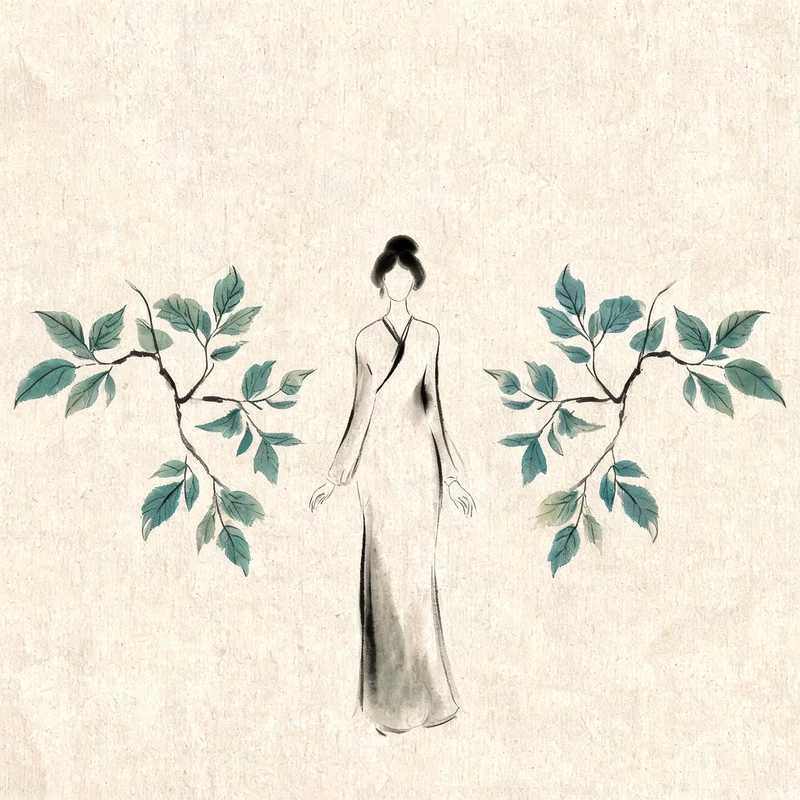
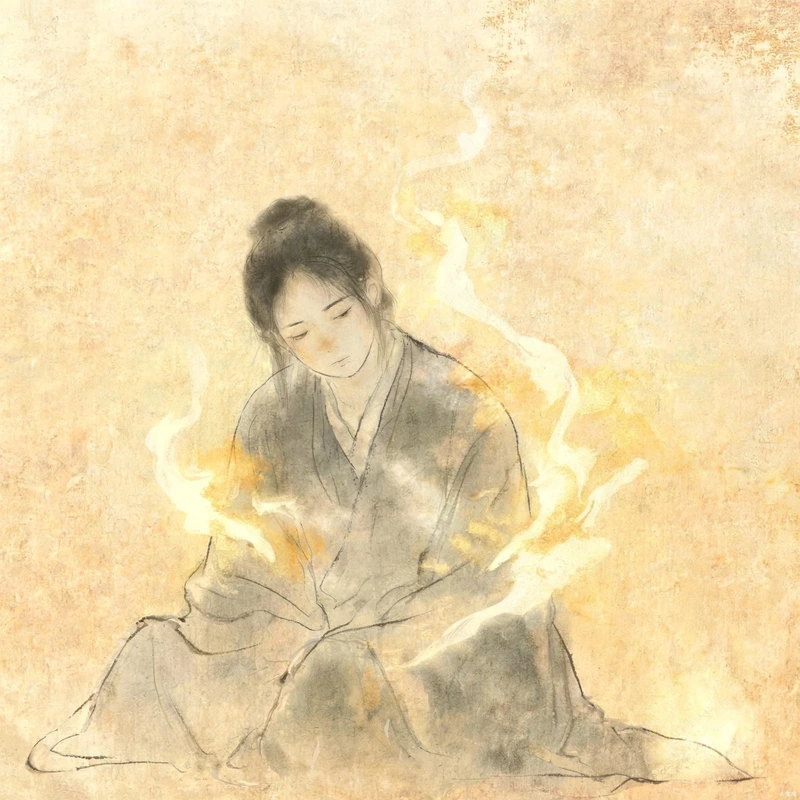
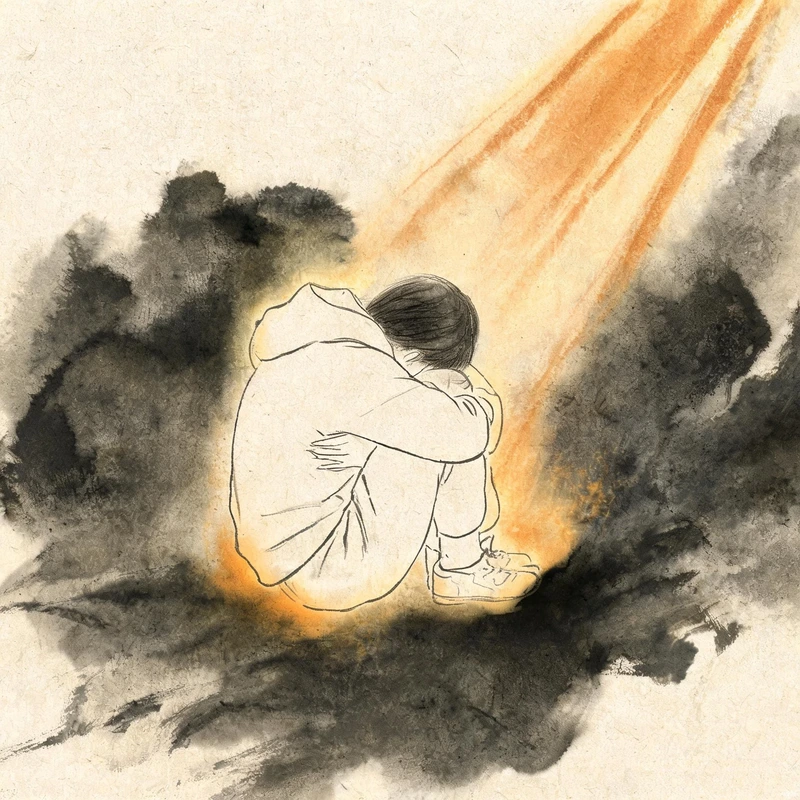
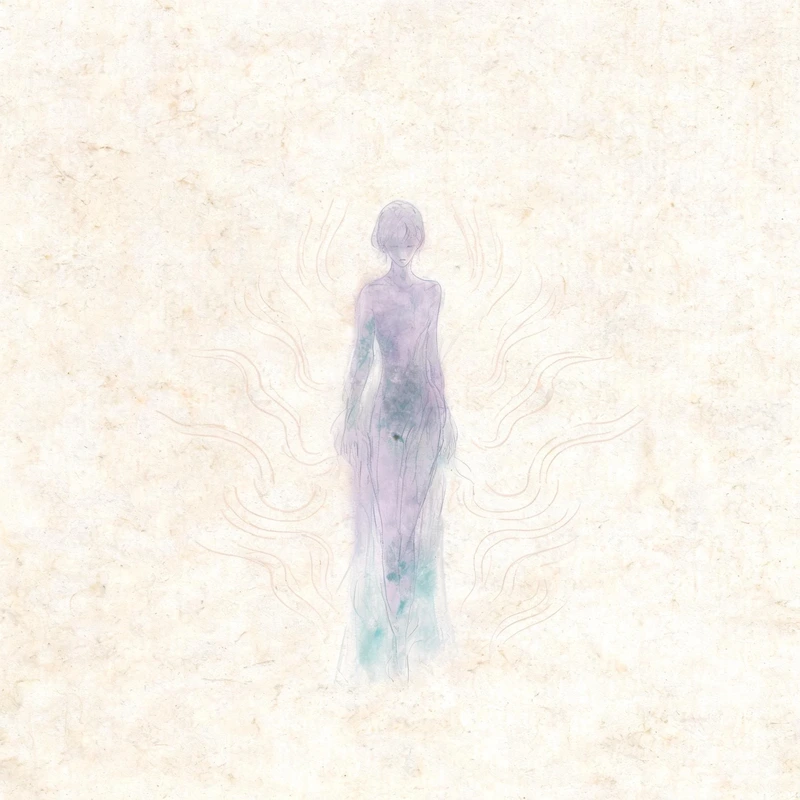
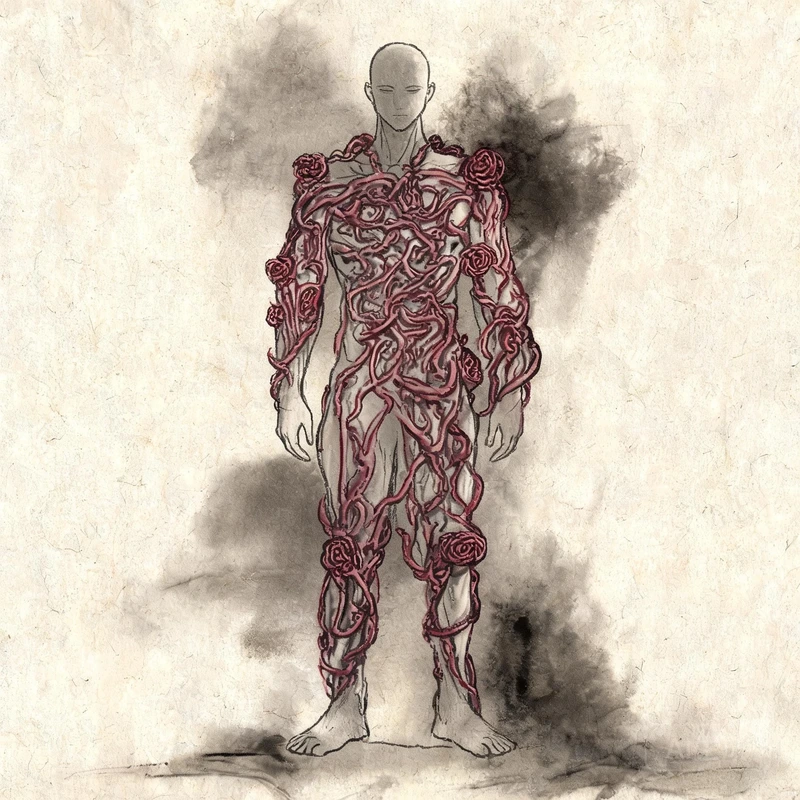
Qi Stagnation Constitution is characterized by Liver Qi stagnation and impaired Qi flow. Common signs include low mood, chest and rib-side fullness, frequent sighing, plum-pit sensation in the throat, insomnia with many dreams, and menstrual irregularities in women. The focus is on soothing the Liver, regulating Qi, relieving constraint, and calming the spirit.
Daily Routine
The core principle for Qi Stagnation is "smooth flow." Maintain regular routines, go to bed early and rise early, and avoid staying up late, which harms the Liver. Get sunlight and nature during the day and spend time outdoors. Keep living spaces bright and ventilated, avoiding darkness and dampness. Cultivate a regular rhythm so life has anticipation and ritual.
Dietary Plan
The diet should focus on soothing the Liver, regulating Qi, strengthening the Spleen, and harmonizing the Stomach. Regularly eat rose buds, jasmine, finger citron, dried tangerine peel, hawthorn, white radish, celery, daylily, kumquat, orange, pomelo, cilantro, and mint. Rose tea, jasmine tea, and tangerine-peel-hawthorn drink can replace regular tea. Avoid overeating or extreme dieting.
Movement & Exercise
Exercise is excellent medicine for relieving Liver constraint. Brisk walking, jogging, swimming, yoga, Tai Chi, Baduanjin, dance, and hiking all stretch the body and mind. Outdoor group activities are especially helpful for finding social connection and release. Aim for 3–5 sessions per week, 30 minutes or more each.
Emotional Care
The most important thing for Qi Stagnation is learning to "speak it out." Do not keep emotions bottled up; actively communicate with people you trust. Journaling, painting, music, and meditation can help express and release feelings. Cultivate a sense of humor and learn to see problems from different angles. Seek professional counseling when needed.
 QY
QY
When Qi flows freely, there is no pain; when Qi stagnates, pain follows. — Huangdi Neijing
The map is still a sample. Complete the 60 questions, and this page will light up with a result made just for you.
Answer consistency
ReliabilityWhat you see now is sample data. After the 60 questions, this card shows your personal reliability score and any contradictions in your answers.
Your answers are consistent — the result is a solid reference.
Nine-dimension map
Converted score 0–100
Constitution at a glance
Qi Stagnation means Liver Qi is constrained and circulation of Qi has stalled. The usual signs are low mood, fullness in the chest and rib-sides, frequent sighing, a plum-pit sensation in the throat, broken sleep with many dreams, and irregular periods. The work is soothing the Liver, regulating Qi, relieving constraint, and settling the spirit.
Where it shows
A tight chest, sighing without noticing it, a lump in the throat that no test finds, and mood that drops for days at a time.
What is actually happening
The Liver is responsible for the smooth flow of Qi and emotion. When it is constrained, feeling and function both tighten.
What it responds to
Movement, daylight, speaking things out loud, and aromatic foods — stagnation dislikes any of them.
Your strengths · Watch-outs
Your strengths
- Emotionally attunedYou read other people accurately, often before they say anything.
- Strong imaginationA real creative streak, and the patience to develop it.
- ConscientiousYou hold yourself to a high standard and it shows in the work.
- Care lifts mood clearlyOnce you start moving and talking, mood responds quickly.
- Built for empathic workArt, design, counselling, and similar roles suit your temperament.
Watch-outs
- Low mood and negative loopsDownward spirals start easily and need active interruption.
- Chest and rib tightnessA physical sense of constriction that worsens with stress.
- Broken sleepDifficulty falling asleep and sleep full of dreams.
- Sensitive to surroundingsMood is easily moved by other people and by the room.
- Suppression strains relationshipsHolding things in for too long eventually costs you the friendship.
Body signals
Qi Stagnation feels like something is stuck emotionally and physically: chest tightness, frequent sighing, mood swings, and sensitivity to stress.
Chest
Tightness or fullness in the chest; frequent sighing.
Mood
Mood swings, anxiety, feeling "blocked".
Digestion
Appetite changes with emotions; bloating.
Throat
Sensation of a lump in the throat.
Meridians & acupoints
Qi Stagnation benefits from points that soothe the Liver and regulate Qi flow.
Taichong (LR3)
On the top of the foot, in the depression before the junction of the 1st and 2nd metatarsals.
Press 3-5 minutes when stressed.
Relieves irritability and chest tightness.
Qimen (LR14)
Below the nipple, in the 6th intercostal space.
Gentle circular massage 2 minutes.
Relieves chest fullness, sighing.
Tanzhong (CV17)
Midway between the nipples on the sternum.
Rub palms together and warm the area 2 minutes.
Opens the chest, settles emotions.
Food therapy
Qi Stagnation benefits from foods that soothe the Liver and regulate Qi. Avoid heavy, greasy meals and eating when upset.
Rose & tangerine peel tea
Mei gui hua with chen pi.
Soothes Liver Qi, relieves chest tightness.Kumquat & radish soup
Jin ju and luo bo lightly boiled.
Moves Qi, resolves phlegm.Barley tea
Roasted barley grains steeped.
Relieves food stagnation and stress.Citrus peel congee
Chen pi in rice porridge.
Regulates Qi, supports digestion.Daily rhythm
-
6:30-7:30
Morning release
Deep breathing and stretches; smile at yourself in the mirror.
-
7:30-9:00
Breakfast
Eat regularly; avoid coffee on an empty stomach.
-
9:00-12:00
Work
Take breaks; move when you feel stuck or tense.
-
12:00-13:30
Lunch and walk
Light meal followed by a 10-minute walk.
-
13:30-15:00
Rest
Short nap or meditation; avoid scrolling negative news.
-
15:00-18:00
Afternoon
Rose or jasmine tea; call a friend if feeling low.
-
18:00-19:30
Dinner
Eat calmly; avoid arguing or working while eating.
-
21:00-22:30
Journal
Write down feelings; prepare for sleep by 23:00.
Exercise guidance
Outdoor and social movement helps release stuck Qi. Choose activities that feel enjoyable, not competitive.
Best choices
- Group walking or hiking
- Dance classes
- Outdoor yoga
- Tai Chi in the park
Tips
- Exercise with friends when possible
- Focus on exhalation and relaxation
- Avoid overtraining
Diet tips · Movement tips
Diet tips
The Qi Stagnation plate should be aromatic, smoothing, regulating, and harmonising.
Everyday staples
- Rose buds, jasmine, finger citron, dried tangerine peel, hawthorn, white radish, and celery.
- Daylily, kumquat, orange, pomelo, coriander, mint, perilla, and albizzia flower.
Worth adding
- Rose and tangerine peel tea; finger citron porridge; hawthorn and malt drink; white radish and pork rib soup; jasmine tea.
- Cook with aromatic seasonings — scallion, ginger, garlic, and a little Sichuan pepper.
Worth limiting
- Cold and raw foods, which damage Spleen-Yang and make stagnation worse.
- Excessively greasy and sweet food, and too much strong tea, coffee, or alcohol.
Movement tips
Move to move Qi — and when Qi moves, the constraint loosens. Outdoors works better than indoors.
What suits you
- Brisk walking, jogging, swimming, yoga, Pilates, Tai Chi, Baduanjin, Wu Qin Xi, dance, hiking, and cycling.
- Three to five sessions a week, 30–60 minutes, until stretched, lightly sweaty, and mentally easier.
Add a social element
- Group classes or exercising with a friend add contact as well as movement.
- Avoid long sitting and long solitude — both tighten the pattern.
Emotional care
The practical task is to become your own emotion manager — not by controlling feeling, but by refusing to let it sit still.
Do not stay alone with it
- When low, go out, say something, and move — in that order if you can manage it.
- Cultivate absorbing hobbies: photography, travel, crafts, music, or a pet.
Question the thought
- When a negative thought arrives, ask plainly: is this actually true?
- Write down three things you are grateful for each day — it is dull and it works.
Keep a release valve
- Practise mindfulness so emotion has somewhere to go besides inward.
- Regular exercise does as much for mood here as any conversation.
Remember the direction
- Emotions are weather: they arrive, and they pass.
- You always retain the freedom to choose how you respond.
Emotions are weather. They pass — and you still choose the response.
Emotion & physical-energy curve
Scores show how this pattern's emotional and physical energy moves over time — for self-observation only.
Social relations
Qi Stagnation often shows up in relationships as sensitivity, mood swings, and a need to be heard. Social connection is healing for you, but only when it feels genuine and expressive.
Settings that suit you
- Creative activities with friends
- Outdoor walks and talks
- Support groups or therapy-style circles
- Laughter-filled, low-pressure gatherings
Watch out for
- Passive-aggressive or suppressive relationships
- Situations where you cannot speak your mind
- People who dismiss your feelings
- Name emotions early before they build up.
- Use journaling or voice memos to clarify thoughts.
- Practice gentle assertiveness: "This matters to me."
- Ask for a pause in heated conversations.
Protect time for emotional release every day.
Distance yourself from chronic negativity.
Say no to people who expect you to always be agreeable.
Expression is your medicine. The right people will not mind your honesty; they will value it.
Workplace tips
Under pressure, Qi Stagnation turns inward. The counter is movement, daylight, and saying things early.
A workable daily rhythm
- Stand and move for five minutes every hour; look out of a window or stretch.
- Keep rose or jasmine tea on the desk and drink it regularly.
- Break large tasks into small goals and acknowledge each completion.
- Leave your seat at lunch for a walk and some daylight.
Talk instead of turning it over
Communicate with colleagues proactively rather than ruminating alone.
Learn to say no
Do not absorb pressure that was never yours to carry.
Get light, early
Daylight in the first half of the day does more for mood than anything at your desk.
Home environment
Qi Stagnation does best in a home that feels open, bright, and expressive. A cramped, dark, or cluttered environment can mirror and reinforce emotional stuckness.
- Open curtains first thing in the morning.
- Use light, uplifting colors on walls or textiles.
- Keep the room tidy; clutter can increase mental pressure.
- Keep liver-soothing ingredients: rose buds, tangerine peel, citrus, radish.
- Avoid eating alone or while angry; create a calm meal corner.
- Play music or a podcast while cooking.
- Add green plants and natural light.
- Create a small space for journaling, art, or music.
- Change your posture or scenery when you feel stuck.
- Spend time on the balcony or near a window with a view.
- Take phone calls while walking.
- Do deep-breathing exercises outside.
Your home should feel like a place where energy can move freely. Light, color, plants, and open space all help Qi flow.
Seasonal care
Qi Stagnation follows the light and the calendar more than the temperature.
Spring
The season of rising Liver Qi: spend time outdoors, hike, and take sun to help Qi unfold.
Summer
Heat can agitate the heart — stay calm and avoid emotional extremes.
Autumn
As nature contracts, this pattern often turns melancholy: spend more time with friends and keep things light.
Winter
Less daylight calls for more indoor activity and bright lighting to head off low mood.
Daily rituals
Morning rose tea
Steep 3–5 rose buds in water to soothe the Liver and regulate Qi, starting the day with ease.
Five minutes of deep breathing
Find a quiet place, breathe slowly, inhaling for four seconds and exhaling for six, helping Qi descend.
Evening emotion journal
Spend five minutes writing down the day's feelings and thoughts without judgment, simply releasing them.
Quick resets
When Qi Stagnation feels blocked, use these quick releases.
Soothes Liver Qi and eases chest tightness.
Breathe out the stuck Qi in the chest.
Movement is the best Liver-soothing medicine.
Do not hold emotions inside.
Four-week plan
Qi Stagnation is emotional and physical stuckness. The goal is to soothe the Liver, release emotions, and keep Qi flowing through movement, social connection, and creativity.
Release: Find your emotional outlet
Suppressed emotions worsen Qi stagnation. Week one creates safe ways to express and release.
Goals
- Write in a journal for 10 minutes daily
- Talk to a trusted person about one real feeling
- Avoid eating while angry or stressed
Daily routine
- Deep breathing and stretches
- Smile at yourself in the mirror
- Breakfast without rushing
- Avoid coffee on an empty stomach
- Light lunch followed by a 10-minute walk
- Step away from screens during lunch
- Rose or jasmine tea
- When stuck, move or call a friend
- Journal or voice-memo your day
- Prepare for sleep by 23:00
Weekly tasks
- Create a "feeling release" playlist or art activity
- Reduce exposure to people or content that drains you
- Practice saying one honest sentence a day
Milestones
- 7 days of journaling
- Have one honest conversation with a friend or family member
Soothe Liver: Diet and movement
Liver-soothing foods and regular movement help Qi flow more smoothly.
Goals
- Eat liver-soothing foods daily: citrus, rose, radish, barley
- Exercise 4 times this week, preferably outdoors
- Avoid heavy greasy meals and late-night eating
Daily routine
- 5-minute side-body and rib stretches
- Warm water with lemon or rose
- Light breakfast
- Begin work with a clear priority list
- Lunch with leafy greens and citrus flavors
- Walk outside for 10-15 minutes
- Rose or tangerine peel tea
- Move or stretch when tension builds
- Light dinner; avoid eating while working
- After-dinner walk or dance to music
Weekly tasks
- Try 2 liver-soothing recipes (rose tea, citrus peel congee)
- Schedule one social or creative activity
- Track moments of chest tightness and what relieved them
Milestones
- 4 exercise sessions completed
- Notice 2-3 moments where tension released faster
Connect: People, nature, and play
Qi stagnation often improves with connection, laughter, and time in green spaces.
Goals
- Spend time with a friend or group 2 times this week
- Exercise outdoors at least twice
- Do one creative or playful activity
Daily routine
- Stretch and set an intention for connection
- Warm water
- Work in focused blocks; take breaks to move
- Call or message someone you care about
- Lunch with a colleague or friend when possible
- Walk outdoors after eating
- Tea break with music or a short walk
- Avoid ruminating; redirect to a small task
- Reflect on one positive interaction
- Relaxing ritual before bed
Weekly tasks
- Plan one outdoor group activity
- Try a new hobby or return to an old one
- Limit time with people who leave you feeling tense
Milestones
- 2 social outings completed
- 2 outdoor exercise sessions completed
Flow state: Make smooth Qi a habit
Integrate emotional release, movement, and connection into a sustainable lifestyle.
Goals
- Form 3 automatic Qi-flow habits
- Create a "stress-first-aid" plan
- Plan next month's focus
Daily routine
- Morning stretch and breathing
- Set one emotional intention
- Breakfast without rushing
- Work with breaks and movement
- Lunch and walk
- Brief check-in with yourself
- Tea and movement break
- Reach out if feeling isolated
- Journal or relax
- Sleep by 23:00
Weekly tasks
- Write your Qi Stagnation first-aid guide
- Build a support list of 3 people you can call
- Schedule monthly creative or outdoor activity
Milestones
- 3 Qi-flow habits feel automatic
- Maintain journaling and movement for 14 days
Qi Stagnation is closely tied to how you handle emotions. Movement and honest expression are medicine. A stiff body often holds a stuck story; moving helps it release.
Deep reading
Qi Stagnation is the body's way of saying something is stuck. It often shows up emotionally first, then physically as tightness, sighing, or digestive upset.
What is Qi Stagnation?
Qi Stagnation means the body's energy is not flowing smoothly. In TCM, the Liver is responsible for the free flow of Qi. When stress, suppressed emotions, frustration, or irregular routines block this flow, Qi becomes stagnant. Common signs include chest or rib-side fullness, frequent sighing, mood swings, anxiety, a sensation of a lump in the throat, and digestive changes linked to emotions. The tongue may have a reddish edge.
Why does it develop?
Qi Stagnation often develops in people who hold in their feelings, work under pressure, or feel unable to express themselves. Long hours at a desk, shallow breathing, irregular meals, and lack of outdoor time worsen it. Some personalities are naturally more sensitive and prone to overthinking. Cultural or family expectations to "keep the peace" can also trap Qi.
Daily clues of Qi Stagnation
You sigh frequently without noticing. Your chest feels tight or full. Your mood changes quickly, especially under stress. Eating while upset causes bloating or appetite loss. You feel better after exercise, crying, talking, or being in nature. You may wake up with a heavy sensation in the throat or chest. Coffee or pressure can make you feel wired and irritable.
Core care principles
The treatment is movement and expression. Physical movement such as walking, dancing, tai chi, and yoga releases stagnant Qi. Emotional expression through talking, journaling, art, or therapy prevents buildup. Foods that soothe the Liver and regulate Qi include rose, tangerine peel, citrus, radish, barley, and kumquat. Avoid heavy greasy meals and eating when angry.
Common misunderstandings
Qi Stagnation is sometimes dismissed as being "too emotional." In TCM, it is a real physical pattern with measurable signs. Another myth is that relaxation alone fixes it. While rest helps, Qi Stagnation specifically needs movement and expression. Suppressing feelings to appear calm can make the pattern worse.
Long-term outlook
Qi Stagnation responds beautifully to lifestyle change. People who build regular movement, creative expression, and honest communication into their lives often feel dramatically better within weeks. The challenge is to keep the Qi flowing rather than waiting for a crisis to release it.
Expression is medicine for Qi Stagnation. A stiff body often holds a stuck story; movement helps it release.
Blended constitution
Most people are a blend of constitutions — rarely one pure type. The national standard (ZYYXH/T157-2009) classifies a constitution as "yes" when its transformed score reaches 40, and as "tendency" between 30 and 39. Tune the dominant one first, then the secondary.
Common blends:Qi stagnation commonly pairs with blood stasis and damp-heat. Smooth qi first, then address what it blocked.
Your exact blend is shown after you complete the test — this is the general picture for the Qi Stagnation Constitution type.

A note from Bong
<p>Qi Stagnation is not "overthinking." It is your body reminding you to give your emotions an outlet. You do not have to be strong all the time, nor perfect. It is okay to sigh, to confide, and to rest. Let the knot in your heart loosen slowly with a deep breath, a cup of flower tea, or an honest word.</p>
Ask AI about your result
Copy the prompt with your answers and result for a deeper reading.
This is a sample report. Answer the 60 questions to generate the portrait that truly belongs to you.
Take it again?
Your constitution shifts with seasons, stress and food. Retake it later and watch the body move.