Phlegm-Dampness Constitution
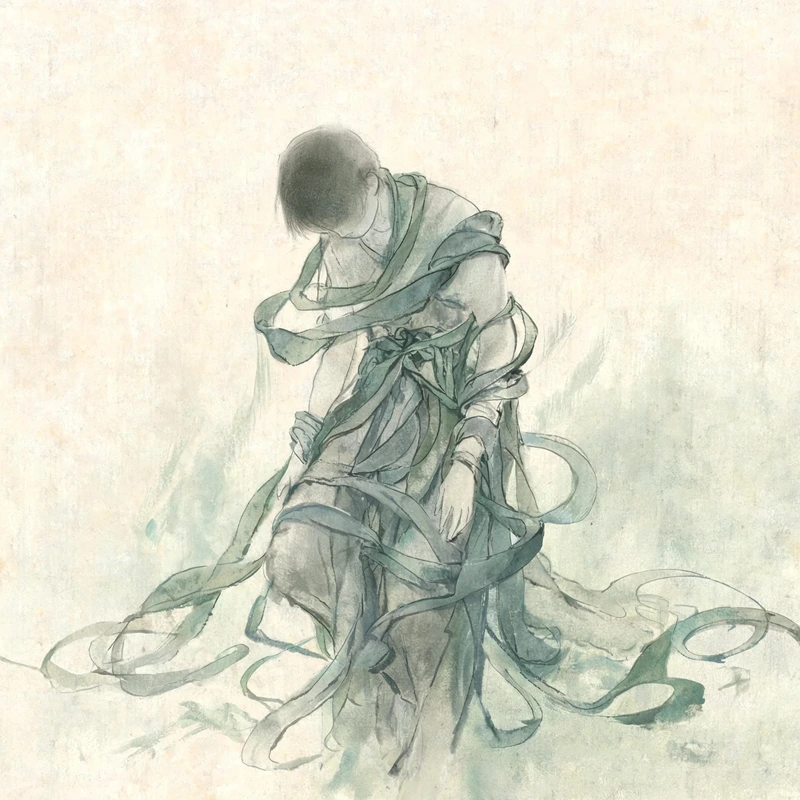
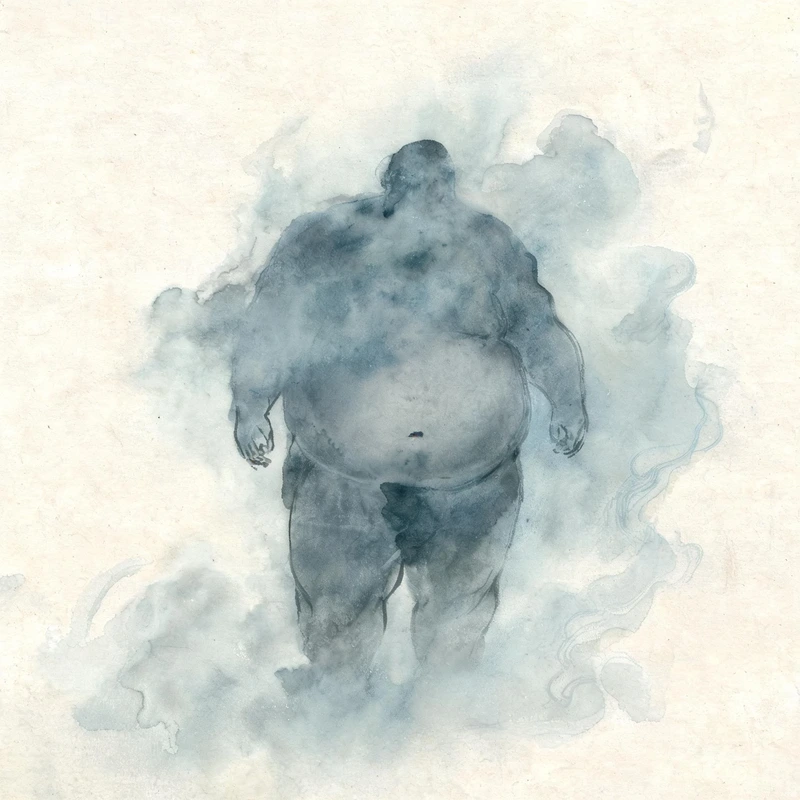
Phlegm-Dampness Constitution is characterized by internal accumulation of phlegm-dampness and impaired Spleen-Stomach transformation. Common signs include obesity, soft fullness in the abdomen, oily face, sticky mouth and greasy tongue coating, heavy limbs, and easy drowsiness. The focus is on strengthening the Spleen, draining dampness, resolving phlegm, and keeping the diet light.
Daily Routine
The core principle for Phlegm-Dampness is “strengthen the Spleen and drain dampness.” Maintain regular routines, avoid damp environments, and keep living spaces dry and ventilated. Go to bed early and avoid late nights. Increase daytime activity and avoid prolonged sitting or lying down. During rainy or humid seasons, use dehumidifiers and take extra care to stay dry.
Dietary Plan
The diet should be light, Spleen-strengthening, and dampness-draining. Regularly eat Job's tears, adzuki beans, winter melon, cucumber, celery, white radish, kelp, nori, Chinese yam, poria, dried tangerine peel, lotus leaf, and corn silk. Prefer steaming, boiling, and stewing; minimize frying and sweets. Drinks such as tangerine-peel-poria tea and Job's tears-red-bean soup can replace plain water.
Movement & Exercise
Exercise should produce sustained sweating and boost metabolism. Brisk walking, jogging, swimming, cycling, Baduanjin, and yoga are recommended. Exercise for more than 30 minutes each time until the body warms and lightly sweats. Avoid showering or air conditioning immediately after intense exercise, which can trap dampness internally.
Emotional Care
Phlegm-Dampness can lead to dull thinking and low mood. Keep the mind relaxed and avoid overthinking. Get plenty of sunlight and nature, and cultivate energizing hobbies. When stressed, do not bottle it up; release it through exercise, conversation, or music.
 TN
TN
Movement transforms dampness; stillness breeds phlegm. — TCM wisdom
The map is still a sample. Complete the 60 questions, and this page will light up with a result made just for you.
Answer consistency
ReliabilityWhat you see now is sample data. After the 60 questions, this card shows your personal reliability score and any contradictions in your answers.
Your answers are consistent — the result is a solid reference.
Nine-dimension map
Converted score 0–100
Constitution at a glance
Phlegm-Dampness means dampness has accumulated inside and the Spleen-Stomach is no longer transforming it efficiently. The usual signs are weight gain, soft fullness in the abdomen, an oily face, a sticky mouth with a greasy tongue coating, heavy limbs, and easy drowsiness. The work is strengthening the Spleen, draining dampness, resolving phlegm, and keeping food light.
Where it shows
A body that feels weighed down, a head that fogs over in the afternoon, and sleep that does not feel refreshing.
What is actually happening
The Spleen is struggling to process fluid, so it collects as dampness — and dampness, left long enough, thickens into phlegm.
What it responds to
Light food, honest daily movement that raises a sweat, and less sitting. Dampness dislikes motion.
Your strengths · Watch-outs
Your strengths
- EasygoingA tolerant temperament keeps friction low around you.
- Steady under pressureYou absorb sustained demands better than sudden ones.
- Enjoys food and lifeA rich sense of taste is a genuine pleasure, not only a risk.
- Rewards consistencyWeight and energy respond clearly once you start moving and eating lighter.
- Built for patient workLong, steady tasks suit you better than high-tempo switching.
Watch-outs
- Weight gathers easilyEspecially around the abdomen, and it is slow to shift.
- Oily, reactive skinProne to acne or eczema, particularly in humid weather.
- DrowsinessSleepiness after meals and low energy through the afternoon.
- Irregular digestionAppetite and bowel habits tend to be inconsistent.
- Humid weather hurtsRain and mugginess make the heaviness noticeably worse.
Body signals
Phlegm-Dampness feels heavy and sluggish: easy weight gain, sticky tongue coating, mental fog, and a preference for greasy or sweet food.
Heaviness
Body feels heavy, especially in the morning.
Tongue coating
Thick, greasy tongue coating.
Digestion
Bloating, poor appetite, sticky stools.
Skin
Oily skin, prone to soft swellings.
Meridians & acupoints
Phlegm-Dampness benefits from points that strengthen the Spleen and transform dampness.
Zusanli (ST36)
Four finger-widths below the kneecap, one finger-width outside the shinbone.
Press 3-5 minutes daily.
Supports digestion and metabolism.
Fenglong (ST40)
Eight finger-widths above the outer ankle, two finger-widths outside the shinbone.
Press 3-5 minutes.
Transforms phlegm, clears foggy head.
Yinlingquan (SP9)
In the depression below the inner knee.
Press 2-3 minutes.
Drains damp, supports urination.
Food therapy
Phlegm-Dampness needs light, warm, resolving foods. Reduce sugar, dairy, fried food, and cold drinks.
Job's tears & red bean congee
Yi yi ren and chi xiao dou.
Drains dampness, supports metabolism.Poria & tangerine peel tea
Fu ling with chen pi.
Strengthens Spleen, transforms phlegm.Winter melon soup
Dong gua with lean pork and ginger.
Drains damp, reduces swelling.Corn silk tea
Dried corn silk steeped in water.
Promotes fluid metabolism.Daily rhythm
-
6:30-7:30
Morning detox
Warm water with ginger slices; observe tongue coating.
-
7:30-9:00
Spleen breakfast
Job's tears and red bean congee, or yam porridge.
-
9:00-12:00
Active work
Stand or walk for 3-5 minutes every hour.
-
12:00-13:30
Lunch
Vegetables, whole grains, and lean meat; eat to 70% fullness.
-
13:30-15:00
Movement
Walk 10-15 minutes after eating; do not lie down.
-
15:00-18:00
Afternoon
Poria and tangerine peel tea; avoid sugary snacks.
-
18:00-19:30
Early dinner
Light and early; stop eating 3 hours before bed.
-
20:00-21:30
Evening walk
Walk 20-30 minutes; foot soak before bed.
Exercise guidance
Consistent aerobic exercise is the most effective way to transform dampness. Aim for a light sweat.
Best choices
- Brisk walking or jogging
- Swimming
- Cycling
- Jump rope (low impact)
Tips
- Move daily, even 20 minutes
- Avoid exercising right after large meals
- Dry off and change clothes promptly
Diet tips · Movement tips
Diet tips
The Phlegm-Dampness plate should be clear, light, drying, and draining. Cooking method matters as much as ingredients.
Everyday staples
- Job’s tears, adzuki beans, winter melon, cucumber, celery, white radish, kelp, and nori.
- Chinese yam, poria, dried tangerine peel, lotus leaf, corn silk, mung beans, and hyacinth beans.
Worth adding
- Tangerine peel, poria and Job’s tears porridge; winter melon, kelp and pork rib soup; adzuki bean and crucian carp soup; white radish stewed with beef.
- Daily teas of tangerine peel, hawthorn, or lotus leaf to aid digestion and resolve dampness.
Worth limiting
- Fatty meat, organ meats, cream, chocolate, desserts, and fried food.
- Glutinous rice and rice cakes, cold drinks and raw fruit, and alcohol — which aids dampness and makes phlegm.
Movement tips
The principle here is direct: movement generates Yang, and sweat transforms dampness. Consistency beats intensity.
What suits you
- Brisk walking, jogging, swimming, cycling, rope skipping, aerobics, and Baduanjin.
- Four to five sessions a week, 30–60 minutes, until warm, lightly sweaty, and still able to talk.
Where to stop
- Avoid exercising in damp, stuffy environments — it adds more than it removes.
- Dry sweat promptly and change into dry clothes straight afterwards.
Emotional care
Dampness makes the body feel heavy and the mind cloudy, and mood follows. Lightening the day helps as much as lightening the diet.
Actively seek lightness
- Go after things that genuinely cheer you: sunlight, green spaces, unhurried company.
- Keep social contact light and regular rather than long and intense.
Do not sit with it
- Avoid long isolation and rumination; both thicken the fog.
- When a problem loops, write it down and give it a time slot instead of the whole afternoon.
Move instead of eating
- Under stress, choose movement over snacking — ten minutes of walking changes the state.
- Keep a short list of low-effort activities ready for exactly this moment.
Keep the mood fresh
- Practise looking at problems from a workable angle rather than a heavy one.
- A fresh mood genuinely makes the body feel lighter — the two run together.
Dampness dislikes movement. So does a heavy mood.
Emotion & physical-energy curve
Scores show how this pattern's emotional and physical energy moves over time — for self-observation only.
Social relations
Phlegm-Dampness often brings a slow, steady social energy. You may prefer familiar people and predictable plans. Movement-based social activities help lift the heaviness.
Settings that suit you
- Walking groups or light hiking
- Cooking healthy meals with friends
- Familiar routines with trusted people
- Board games or hands-on hobbies
Watch out for
- Sedentary gatherings with heavy food
- Overeating in social settings
- People who pressure you to skip exercise
- Suggest active alternatives to sitting-only plans.
- Be honest about food preferences without making it a big topic.
- Keep a warm, steady presence even when you feel foggy.
- Ask for accountability around movement goals.
Do not let social eating replace simple home cooking.
Protect your daily walk or exercise time.
Avoid friends who mock your health efforts.
Social life does not have to mean sitting and eating. Invite people into movement and you will feel lighter afterward.
Workplace tips
The working day has a shape that suits you: important work early, movement often, and a lighter lunch.
A workable daily rhythm
- Handle important tasks in the morning.
- Stand up for five minutes every hour through the afternoon.
- Take a walk during the lunch break.
- Stop at about seventy percent full at lunch.
Change the desk drink
Keep dried tangerine peel water or Job’s tears tea on the desk instead of sweetened drinks.
Break up sitting
Prolonged sitting is the single biggest driver of dampness in an office day.
Stay socially engaged
Take part in team activities in moderation — withdrawing makes the heaviness worse.
Home environment
Phlegm-Dampness benefits from a home that is dry, airy, and uncluttered. Damp, stuffy, or messy spaces can mirror and worsen the heaviness in the body.
- Keep humidity below 60%; use a dehumidifier if needed.
- Air bedding and pillows regularly in sunlight.
- Avoid heavy, dusty curtains or carpets.
- Minimize greasy, sweet, and dairy-heavy foods.
- Store job's tears, red beans, poria, and tangerine peel.
- Wipe surfaces often to prevent oily buildup.
- Declutter regularly; a tidy space supports clearer thinking.
- Open windows for cross-ventilation daily.
- Set hourly reminders to stand and move.
- Remove shoes at the door to keep dust and damp out.
- Hang coats and umbrellas to dry promptly.
- Place a small air-purifying plant nearby.
A light, dry environment reinforces a light, active body. Consistency in tidiness and ventilation matters more than occasional deep cleans.
Seasonal care
Dampness has a season, and it is not only about weather — each season asks for a different emphasis.
Spring
Dampness rises with the season: keep the diet light and favour dampness-draining foods.
Summer
Heat and dampness combine — avoid excessive cold drinks and drink warm water or dampness-clearing teas instead.
Autumn
Dryness takes over: reduce draining foods and add lung-moistening ones.
Winter
Avoid heavy, greasy tonics; warm and support the Spleen with Chinese yam, red dates, and longan.
Daily rituals
A glass of warm water on waking
Drink 300 ml of warm water on an empty stomach to awaken digestion and support metabolism.
Job's tears and red bean porridge
Cook Job's tears and adzuki beans into porridge 3–4 times a week to strengthen the Spleen and drain dampness.
Twenty-minute walk after meals
Walk slowly after eating to support Spleen-Stomach transformation and prevent phlegm-dampness accumulation.
Quick resets
When Phlegm-Dampness feels foggy, use these quick clears.
Resolves phlegm and Qi, freshens the mouth.
Promotes metabolism and drains dampness.
Key point for resolving phlegm, eases chest tightness.
Improve environmental humidity and airflow.
Four-week plan
Phlegm-Dampness feels heavy, foggy, and sluggish. The key is to transform dampness by strengthening the Spleen, moving regularly, and simplifying the diet. This plan progresses from reducing damp-producing foods to building consistent movement and lightness.
Lighten the load: Cut damp-producing foods
Sugar, dairy, fried food, alcohol, and late-night eating create dampness. Week one removes the heaviest sources.
Goals
- No sugary drinks or desserts for 7 days
- No dairy for 7 days
- Finish dinner by 19:00
Daily routine
- Warm water with ginger slices; observe tongue coating
- 5 minutes of stretching to wake the body
- Breakfast: job's tears and red bean congee, or yam porridge
- No cold milk or sweetened yogurt
- Lunch: vegetables, whole grains, lean meat; eat to 70% fullness
- Walk 10 minutes after eating
- Poria and tangerine peel tea
- Avoid sugary snacks; choose nuts or fruit in moderation
- Light dinner at least 3 hours before bed
- No alcohol or greasy takeout
Weekly tasks
- Clear fridge of sugary drinks, desserts, and cheese
- Prepare job's tears, red beans, poria, and tangerine peel
- Track bloating and morning heaviness 1-10
Milestones
- 7 days without dairy or sugary drinks
- Morning tongue coating begins to feel thinner
Strengthen Spleen: Build digestive fire
A strong Spleen transforms dampness. This week focuses on warm, simple, cooked foods and regular meal timing.
Goals
- Eat warm, cooked meals for breakfast, lunch, and dinner
- Add one Spleen-strengthening food per meal
- Chew thoroughly and eat without screens
Daily routine
- Warm ginger water
- 10-minute walk or light movement
- Warm breakfast: millet, pumpkin, or yam congee
- No raw or cold foods
- Lunch: rice, cooked vegetables, small amount of protein
- Rest sitting upright; no lying down after eating
- Job's tears or barley tea
- Stand and move hourly if at a desk
- Early, light dinner
- After-dinner walk 15-20 minutes
Weekly tasks
- Learn 2 Spleen-strengthening dishes (yam porridge, winter melon soup)
- Eat at regular times every day
- Record energy and bloating after meals
Milestones
- 5 days eating only warm, cooked foods
- Regular bowel movements improve
Move to transform: Sweat gently every day
Movement is the fastest way to transform dampness. Aim for a light sweat, not exhaustion.
Goals
- Move at least 30 minutes daily
- Get a light sweat 4 times this week
- Avoid sitting for more than 60 minutes at a time
Daily routine
- Warm water and 5-minute stretch
- Set movement goal for the day
- Light breakfast
- Stand and move 3-5 minutes every hour
- Lunch to 70% fullness
- Walk 10-15 minutes after eating
- Main workout: brisk walk, jog, swim, or cycle
- Shower and change out of sweaty clothes promptly
- Foot soak to promote circulation
- Light dinner already finished; no late snacks
Weekly tasks
- Choose 2-3 aerobic activities you enjoy
- Set hourly movement reminders
- Track sweat, energy, and morning heaviness
Milestones
- 7 consecutive days of 30+ minutes movement
- Morning heaviness decreases on 4+ mornings
Stay light: Build anti-damp habits
Make dampness-reducing habits automatic and prepare for situations where dampness tends to return.
Goals
- Form 3 automatic anti-damp habits
- Create a restaurant and travel eating guide
- Plan next month's focus
Daily routine
- Ginger water and brief tongue check
- 5-minute stretch or walk
- Warm, simple breakfast
- Prepare healthy snacks for the day
- Balanced lunch; stop at 70% fullness
- Walk after eating
- Tea: poria, job's tears, or corn silk
- Movement or standing break
- Early light dinner
- Evening walk or gentle stretching
Weekly tasks
- Write your "anti-damp eating out" guide
- Clean and declutter damp-prone areas at home
- Schedule a monthly review of tongue coating and energy
Milestones
- 3 anti-damp habits run automatically
- Maintain early dinner for 14 consecutive days
Phlegm-Dampness is rarely fixed by willpower alone. It responds best to consistent movement, simple warm food, and patience. A daily walk is often more powerful than a restrictive diet.
Deep reading
Phlegm-Dampness feels like walking through fog with wet shoes: heavy, slow, and sticky. It is closely linked to digestion, metabolism, and daily movement.
What is Phlegm-Dampness?
Phlegm-Dampness is a pattern of accumulated dampness and phlegm in the body, usually rooted in Spleen weakness. The Spleen in TCM transforms food and fluids into usable energy. When it is overwhelmed by greasy food, sugar, dairy, cold drinks, or lack of movement, fluids accumulate and create dampness. Over time, dampness thickens into phlegm, causing heaviness, mental fog, oily skin, soft swelling, and a thick tongue coating.
Why does it develop?
This constitution often develops from a diet high in sweets, fried food, dairy, alcohol, and cold raw food, combined with sedentary habits. Chronic worry or overthinking also weakens the Spleen. Some people have a genetic tendency toward weight gain and sluggish metabolism. Living in damp climates or working in stuffy environments can worsen the pattern. Irregular meal times and late-night eating add to the burden.
Daily clues of Phlegm-Dampness
Your body feels heavy, especially in the morning. Your tongue coating is thick and greasy. You may have a poor appetite or feel full quickly, yet crave sweets. Stools can be sticky or incomplete. Skin may be oily, and swelling can appear around the eyes or ankles. Mental clarity is reduced; you may feel foggy or drowsy after meals. Weight tends to accumulate around the abdomen.
Core care principles
The key is to strengthen the Spleen and transform dampness through warm, simple, cooked food and daily movement. Job's tears, red beans, poria, tangerine peel, winter melon, and ginger are classic helpers. Avoid sugar, dairy, fried food, alcohol, and cold drinks. Eat to 70% fullness. Move every day, aiming for a light sweat. Keep living spaces dry and ventilated.
Common misunderstandings
Many people believe Phlegm-Dampness is just about weight. While weight can be part of it, thin people can also have dampness or phlegm, especially if they have foggy thinking, oily skin, or sticky stools. Another myth is that skipping meals helps. In fact, irregular eating weakens the Spleen further. Consistency in meal timing and movement matters more than occasional restrictive diets.
Long-term outlook
Phlegm-Dampness responds well to lifestyle change but requires patience. Most people notice less morning heaviness, clearer thinking, and better digestion within a few weeks. Sustained effort over months brings more stable weight, energy, and skin. The pattern tends to return during humid seasons or after dietary lapses, so maintenance is ongoing.
Movement is the fastest way to transform dampness. A daily walk is often more powerful than a restrictive diet.
Blended constitution
Most people are a blend of constitutions — rarely one pure type. The national standard (ZYYXH/T157-2009) classifies a constitution as "yes" when its transformed score reaches 40, and as "tendency" between 30 and 39. Tune the dominant one first, then the secondary.
Common blends:Phlegm-dampness usually appears with damp-heat and sluggish spleen qi. Resolve dampness first, then support spleen transport.
Your exact blend is shown after you complete the test — this is the general picture for the Phlegm-Dampness Constitution type.

A note from Bong
<p>Phlegm-Dampness is not laziness. It is excess “dampness” weighing the body down. For you, weight loss is not just about dieting; the key is strengthening the Spleen and draining dampness. When you keep moving and eat lightly, that heavy feeling will fade and you will feel lighter.</p>
Ask AI about your result
Copy the prompt with your answers and result for a deeper reading.
This is a sample report. Answer the 60 questions to generate the portrait that truly belongs to you.
Take it again?
Your constitution shifts with seasons, stress and food. Retake it later and watch the body move.