Blood Stasis Constitution
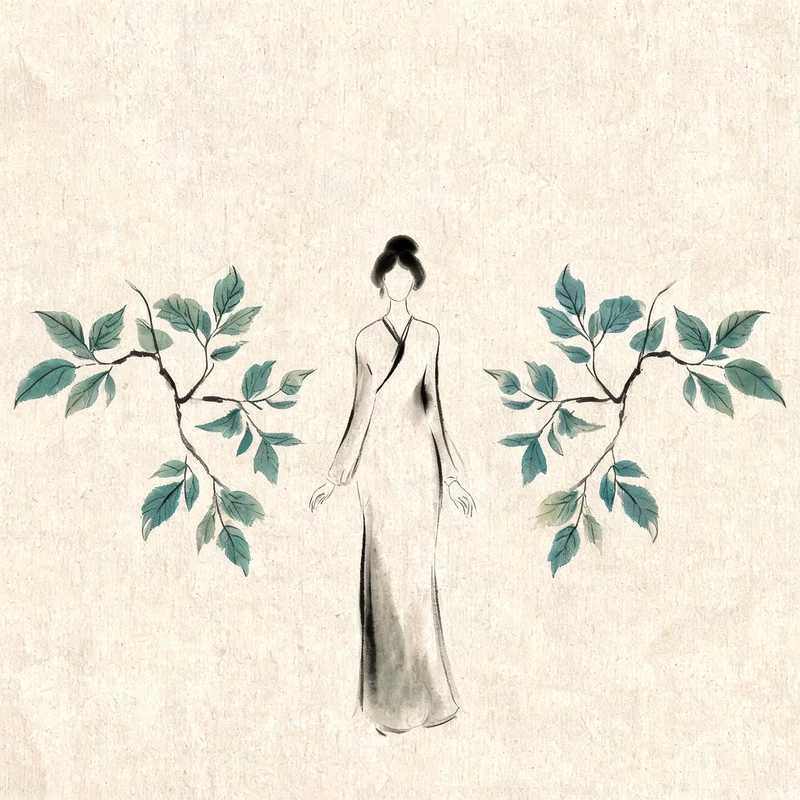
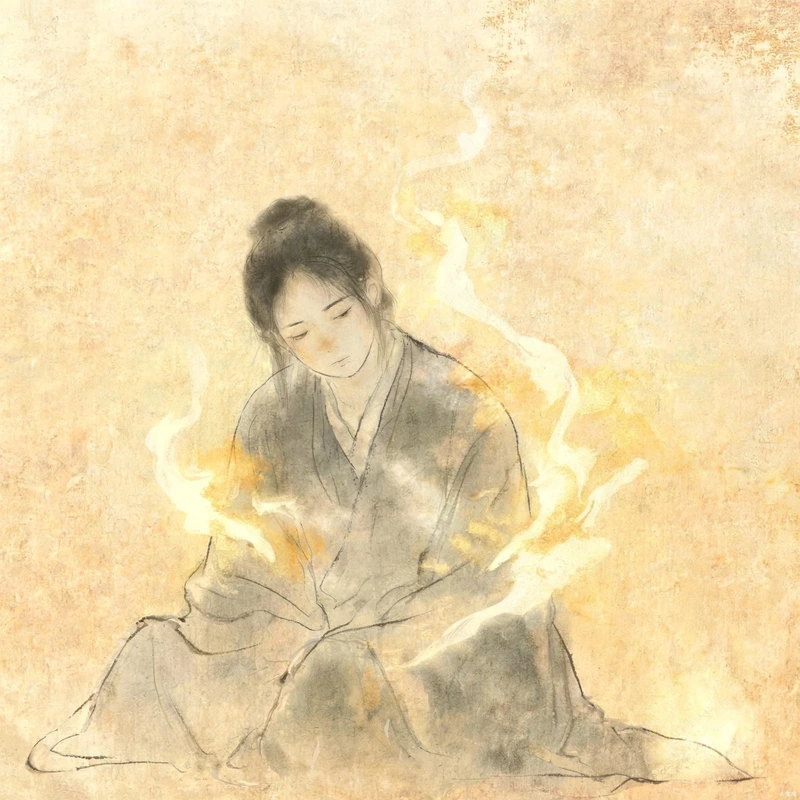
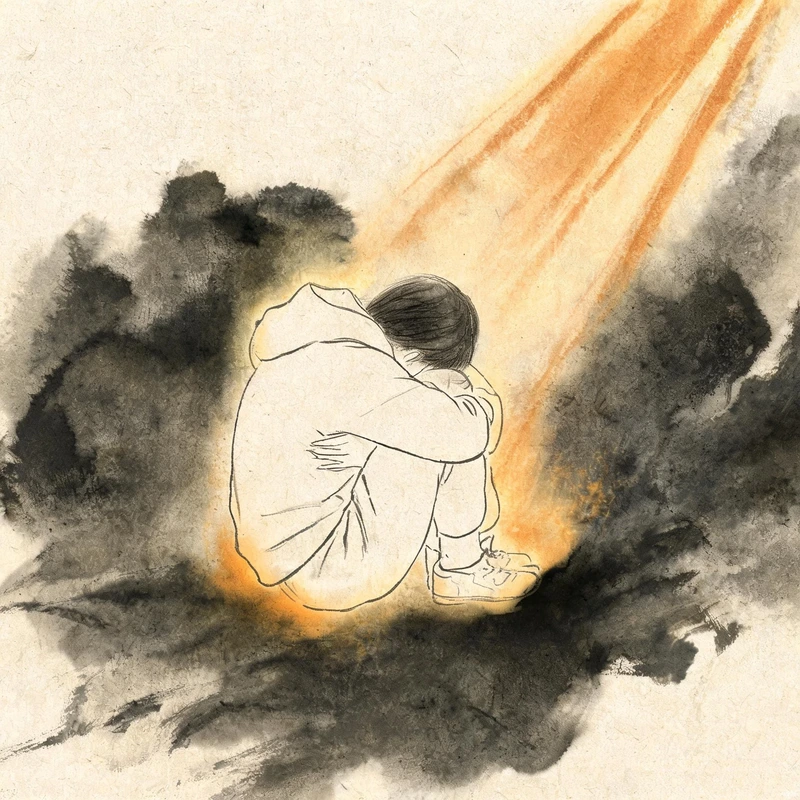
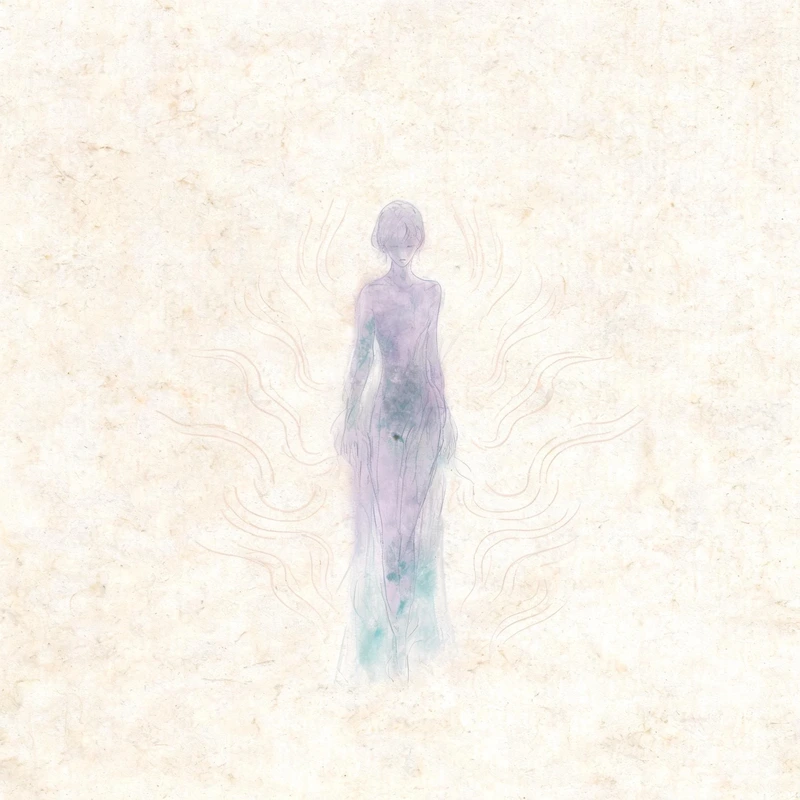
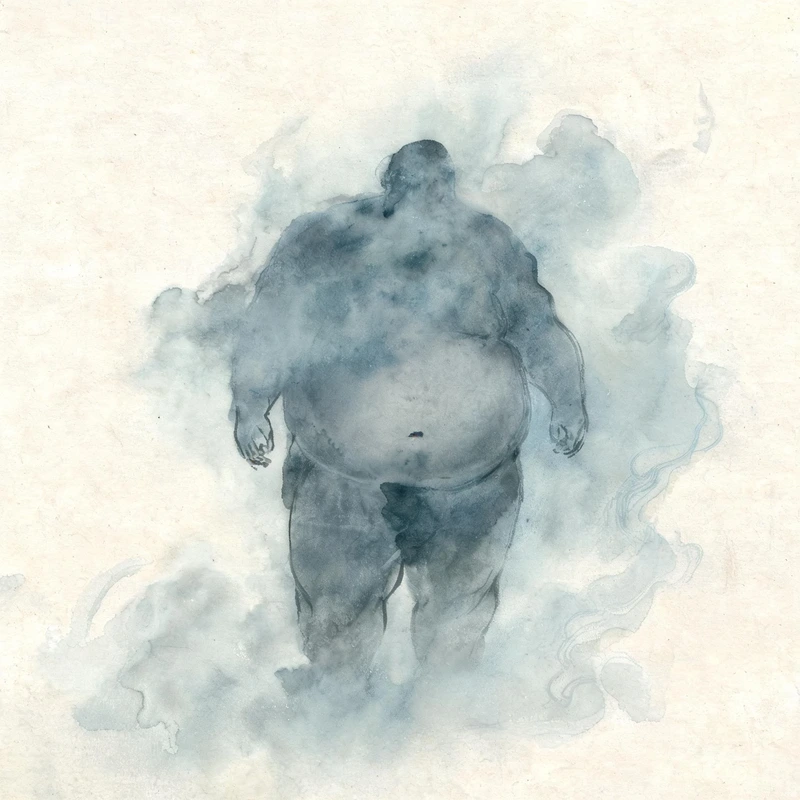
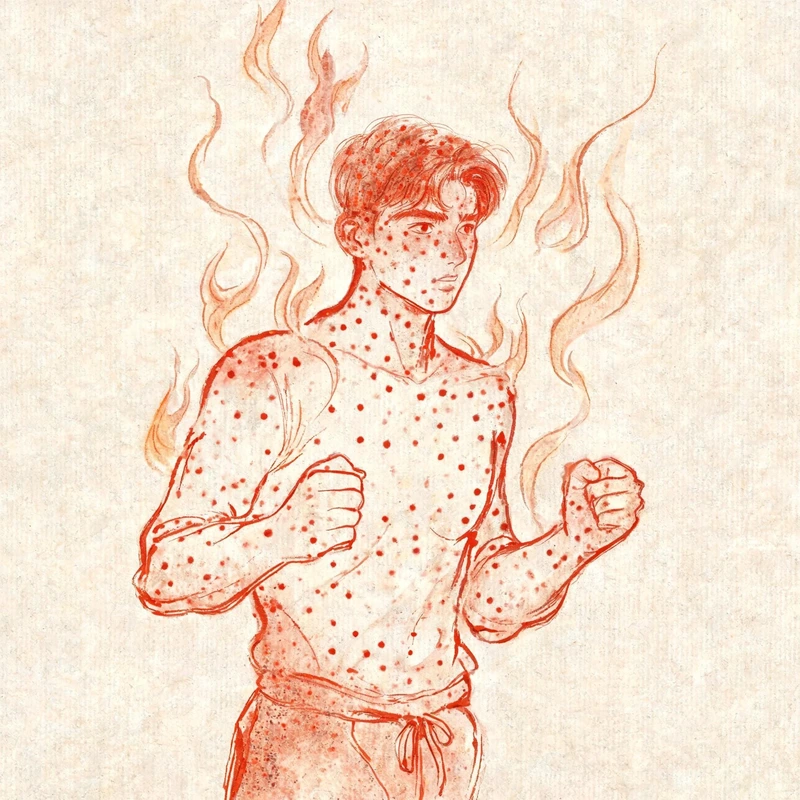
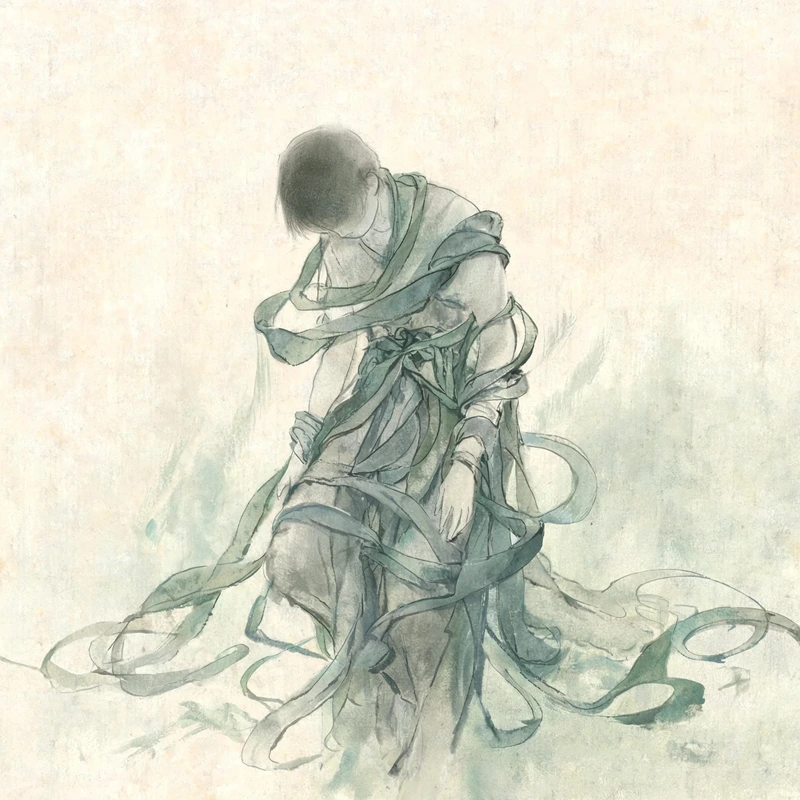
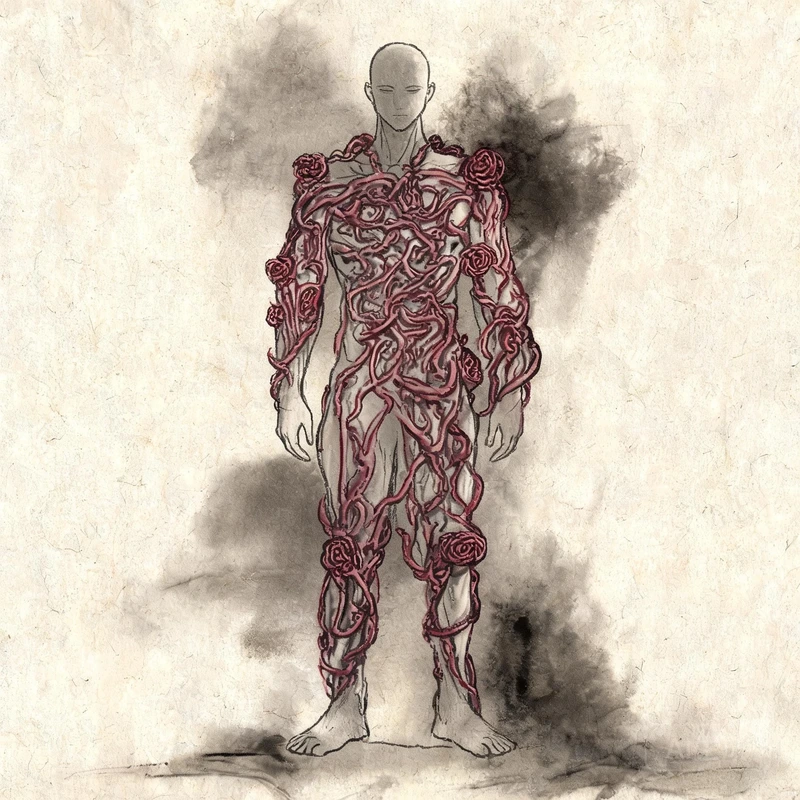
Blood Stasis Constitution is characterized by poor blood circulation and stasis obstructing the channels. Common signs include dull complexion, purplish lips, dark eye circles, easy bruising, fixed stabbing pain, and a purple tongue or stasis spots. The focus is on activating blood, resolving stasis, warming the channels, and moving Qi to relieve pain.
Daily Routine
The core principle for Blood Stasis is "keep things moving." Maintain regular routines, avoid prolonged sitting or lying down, and stand up to move every hour. Keep warm, especially the waist, abdomen, neck, shoulders, and lower limbs, to prevent cold-induced vascular contraction. Get enough sleep but avoid excessive bed rest. A warm foot soak before bed promotes circulation.
Dietary Plan
The diet should focus on activating blood, resolving stasis, and warming the channels. Regularly eat hawthorn, brown sugar, rose buds, saffron, angelica sinensis, peach kernel, black fungus, onion, garlic, ginger, vinegar, and small amounts of red wine. Add warming spices such as ginger, cinnamon, and Sichuan pepper when cooking. Rose tea and hawthorn-brown-sugar water are excellent daily choices.
Movement & Exercise
Exercise is the most effective way to activate blood and resolve stasis. Brisk walking, jogging, swimming, yoga, Tai Chi, Baduanjin, and dance all promote whole-body circulation. Aim for at least 4–5 sessions per week, 30 minutes or more each, until the body is warm and lightly sweaty. Avoid cold showers or drafts immediately after intense exercise.
Emotional Care
Blood Stasis is closely related to Qi stagnation, and emotional suppression worsens stasis. Actively express emotions instead of bottling them up. Journaling, talking with friends, and counseling can help. Cultivate relaxing hobbies such as flower arrangement, tea ceremony, calligraphy, or music to let Qi flow smoothly.
 XY
XY
Where blood flows freely, there is no pain; where blood stagnates, pain arises. — TCM wisdom
The map is still a sample. Complete the 60 questions, and this page will light up with a result made just for you.
Answer consistency
ReliabilityWhat you see now is sample data. After the 60 questions, this card shows your personal reliability score and any contradictions in your answers.
Your answers are consistent — the result is a solid reference.
Nine-dimension map
Converted score 0–100
Constitution at a glance
Blood Stasis means circulation has slowed and stasis is obstructing the channels. The usual signs are a dull complexion, purplish lips, dark circles, easy bruising, fixed stabbing pain, and a purple tongue or stasis spots. The work is activating blood, resolving stasis, warming the channels, and moving Qi to ease pain.
Where it shows
A sallow or greyish complexion, dark under-eyes, bruises from knocks you do not remember, and pain that stays in one place.
What is actually happening
Blood is not moving freely, so it pools. In TCM, Qi moves blood — when Qi stalls, stasis follows closely behind.
What it responds to
Daily movement above all, plus warming food and spices. Sitting still is the single biggest aggravating factor.
Your strengths · Watch-outs
Your strengths
- Determined and persistentOnce started, you stay with a thing longer than most.
- Attuned to the bodyYou notice discomfort early, which makes you good at catching problems.
- Strong focusLong-term goals suit you better than quick wins.
- Care shows visiblyComplexion and mood both improve clearly once circulation improves.
- Built for patient workRoles requiring sustained, careful effort play to your strengths.
Watch-outs
- Dull complexionSkin can look sallow or tired regardless of how much you sleep.
- Pain and bruisingFixed, stabbing pains and bruises that appear with little cause.
- Difficult periodsMenstrual cramps and poor flow are common in this pattern.
- Dry, ageing skinPoor circulation leaves skin looking older than it should.
- Worse when emotions are heldSuppressed feelings make the physical symptoms markedly worse.
Body signals
Blood Stasis means circulation is not smooth. Signs include dull skin, dark circles, easy bruising, and fixed or stabbing pain.
Complexion
Dull or sallow skin; dark under-eye circles.
Bruising
Bruises easily; slow-healing injuries.
Pain
Fixed, stabbing, or worsening pain in cold weather.
Tongue
Purple or dark spots under the tongue.
Meridians & acupoints
Blood Stasis benefits from points that invigorate blood and warm the channels.
Xuehai (SP10)
Two finger-widths above the inner knee, on the inner thigh muscle.
Press or massage 3 minutes.
Invigorates blood, benefits skin.
Sanyinjiao (SP6)
Four finger-widths above the inner ankle.
Gentle pressure 3 minutes.
Moves blood, supports menstruation.
Taichong (LR3)
On the top of the foot, in the depression before the junction of the 1st and 2nd metatarsals.
Press 2-3 minutes.
Relieves stagnation, calms.
Food therapy
Blood Stasis benefits from foods that invigorate blood and warm the channels. Avoid excessive cold or greasy food.
Hawthorn & brown sugar drink
Shan zha simmered with brown sugar.
Moves blood, aids digestion.Black fungus & onion stir-fry
Wood ear mushroom with onion and ginger.
Invigorates blood, clears vessels.Saffron rice
A pinch of saffron in warm rice.
Moves blood and relieves stagnation.Rose tea
Dried rose buds steeped in water.
Relieves Liver stagnation, moves blood.Daily rhythm
-
6:30-7:30
Wake and stretch
5 minutes of bed stretches; drink warm water.
-
7:30-9:00
Breakfast
Eat regularly; avoid skipping meals.
-
9:00-12:00
Move hourly
Set a timer to stand and walk every hour.
-
12:00-13:30
Lunch
Include blood-invigorating foods like black fungus or onion.
-
13:30-15:00
Walk
10-15 minute walk after lunch.
-
15:00-18:00
Afternoon
Rose or hawthorn tea; gentle shoulder and waist stretches.
-
18:00-19:30
Dinner
Light meal; avoid heavy late eating.
-
20:00-21:30
Foot soak
Warm foot bath with safflower or mugwort.
Exercise guidance
Rhythmic, whole-body movement promotes circulation. Stretching and warm baths help prevent stiffness.
Best choices
- Walking or hiking
- Dance
- Tai Chi
- Swimming
Tips
- Warm up thoroughly
- Keep extremities warm
- Add gentle stretching daily
Diet tips · Movement tips
Diet tips
The Blood Stasis plate should activate, warm, unblock, and move.
Everyday staples
- Hawthorn, brown sugar, rose buds, saffron, angelica sinensis, and peach kernel.
- Black fungus, onion, garlic, ginger, vinegar, and a little rice wine.
Worth adding
- Angelica and ginger lamb soup; hawthorn and brown sugar drink; peach kernel and black bean porridge; black fungus and red date soup; rose tea.
- Cook with warming spices — ginger, cinnamon, Sichuan pepper, star anise — to support Qi and blood flow.
Worth limiting
- Iced drinks, watermelon, bitter melon, and crab — cold and raw food constricts flow.
- Excessively greasy or rich food, and too much coffee or strong tea.
Movement tips
The rule is simple: move to move the blood. Whole-body circulation is the goal, not intensity.
What suits you
- Brisk walking, jogging, swimming, cycling, rope skipping, aerobics, yoga, Tai Chi, Baduanjin, and dance.
- Four to five sessions a week, 30–60 minutes, until warm, slightly flushed, and lightly sweating.
Where to stop
- Avoid exercising in cold environments, and do not take a cold shower or stand in wind straight afterwards.
- If you work at a desk, stand and move for five minutes every 45 minutes — it counts.
Emotional care
People with Blood Stasis tend to keep things in, and held emotion over time tightens both Qi and blood. Expression is part of the treatment.
Let it out, do not store it
- Say it when you are unhappy; write it down when you are angry; talk to someone when pressure builds.
- Do not let emotion knot up inside the body — the body keeps the score.
Keep something flowing
- Choose hobbies that let the mind move: singing, dancing, painting, travel, gardening.
- The content matters less than the sense of movement.
Make room daily
- Set aside time each day for solitude, slow breathing, or meditation to keep Qi moving.
- A few minutes is enough if it is genuinely daily.
Remember the direction
- When the mind relaxes, the vessels open. Easing the mind is not separate from moving blood.
- Unsaid things cost more than awkward conversations.
When the mind lets go, the vessels open.
Emotion & physical-energy curve
Scores show how this pattern's emotional and physical energy moves over time — for self-observation only.
Social relations
Blood Stasis can create a reserved or guarded social style. You may take time to trust and prefer a few deep bonds over many casual ones. Warmth and honesty help you open up.
Settings that suit you
- Long conversations with old friends
- Small, loyal groups
- Partner or family activities
- Gentle exercise with a buddy
Watch out for
- Large networking events with superficial chat
- Cold or emotionally distant relationships
- Holding grudges that block connection
- Share feelings before they harden into resentment.
- Use "I feel" rather than "You always" in conflicts.
- Be patient with people who need more words than you do.
- Let trusted people know you care even when you are quiet.
Do not force yourself to be socially outgoing.
Limit time with people who feel emotionally cold.
Protect time for movement and warmth.
Trust is built slowly for Blood Stasis types. Deep, loyal relationships are more nourishing than a wide social network.
Workplace tips
For Blood Stasis, sitting still is the real occupational hazard. Frequency of movement beats length of workout.
A workable daily rhythm
- Stand up, stretch, or refill a glass every 45 minutes.
- Keep rose tea or hawthorn water on the desk and drink it through the day.
- Put focused work in the morning.
- Do a few minutes of neck and shoulder movement in the afternoon, when fatigue sets in.
Warm the neck and shoulders
After long desk work, apply a warm towel or massage the Taiyang and Fengchi points.
Wear nothing restrictive
Avoid tight clothing and anything that limits circulation during the working day.
Do not swallow conflict
Talk to a trusted colleague rather than absorbing pressure silently.
Home environment
Blood Stasis benefits from a warm, circulation-friendly home. Cold, cramped, or cluttered spaces can encourage stagnation.
- Keep the room warm enough for relaxed muscles.
- Use a warm foot bath before bed.
- Avoid sleeping with tight clothing or bands.
- Stock blood-invigorating foods: black fungus, seaweed, hawthorn, rose.
- Cook with ginger, scallion, and a little vinegar.
- Avoid excessive cold or greasy meals.
- Arrange furniture to allow free movement.
- Stretch shoulders, hips, and waist every hour.
- Keep the space bright during the day.
- Take warm showers or baths with gentle massage.
- Use a soft brush or towel to stimulate skin circulation.
- Dry off thoroughly and dress warmly.
Movement and warmth are your best home remedies. Design your space so that gentle motion happens naturally throughout the day.
Seasonal care
Cold constricts and warmth opens — the seasonal work is mostly about staying warm and keeping moving.
Spring
Increase outdoor activity to ride the rising Yang and move blood, but keep dressing warm.
Summer
Avoid long stretches in air-conditioned rooms and do not let cold air blow directly on you.
Autumn
The air dries: moisturise the skin and eat foods that moisten dryness and activate blood.
Winter
Cold damages the vessels most — keep warm, eat warming and unblocking foods, and consult a professional if needed.
Daily rituals
Morning hawthorn-brown-sugar water
Simmer 5 grams of hawthorn with brown sugar and drink warm to activate blood, resolve stasis, and aid digestion.
Massage Xuehai (SP10)
On the inner side above the knee; press with the thumb for 2–3 minutes.
Warm foot soak before bed
Soak feet in water around 40°C for 15–20 minutes; add a few slices of ginger to promote circulation.
Quick resets
When Blood Stasis feels stiff and painful, use these quick moves.
Invigorates blood and relieves pain.
Warms channels and eases stiffness.
Promotes Qi and Blood circulation.
Moves blood and warms channels, good around menstruation.
Four-week plan
Blood Stasis means circulation is slow or stuck. The goal is to move blood, warm channels, and prevent stagnation from settling. This plan progresses from gentle movement to targeted blood-invigorating foods and habits.
Start moving: Break stagnation
Sitting too long, cold exposure, and emotional stress worsen blood stasis. Week one focuses on regular movement and warmth.
Goals
- Move at least 5 minutes every hour during work
- Avoid cold drinks and cold environments
- Do 10 minutes of stretching morning and evening
Daily routine
- 5 minutes of bed stretches before rising
- Drink warm water
- Warm breakfast; avoid skipping meals
- Set hourly movement reminders
- Lunch: include blood-invigorating foods like black fungus or onion
- Walk 10-15 minutes after eating
- Rose or hawthorn tea
- Shoulder, waist, and hip stretches
- Warm foot bath with safflower or mugwort
- Gentle self-massage of legs and feet
Weekly tasks
- Set phone reminders to stand every hour
- Keep legs and lower back warm
- Track bruising and skin dullness changes
Milestones
- 7 days of hourly movement reminders
- Notice warmer feet or hands in the evening
Invigorate blood: Food and tea
Certain foods gently move blood without being too aggressive. This week adds them consistently.
Goals
- Eat blood-invigorating food daily
- Drink rose, hawthorn, or saffron tea 4 times this week
- Keep meals warm and regular
Daily routine
- Warm water; light stretches
- Check skin and tongue color
- Breakfast: whole grains + warm protein
- Move hourly
- Lunch: black fungus, onion, ginger, or seaweed
- Walk after eating
- Rose or hawthorn tea
- Light movement or self-massage
- Warm foot soak
- Gentle stretching; keep abdomen warm
Weekly tasks
- Try 2 blood-invigorating recipes (black fungus stir-fry, hawthorn drink)
- Avoid ice water completely
- Record any changes in bruising or menstrual comfort
Milestones
- 4 cups of blood-moving tea this week
- No cold drinks for 7 days
Warm channels: Massage and heat
Warmth and targeted massage help open channels and move blood. This week adds regular self-care practices.
Goals
- Do a 10-minute self-massage 4 times this week
- Use warm compress or moxa on lower abdomen or lower back 3 times
- Keep extremities warm, especially in air-conditioned spaces
Daily routine
- Warm water; 5-minute stretch
- Massage scalp and neck
- Mid-morning movement: walk or tai chi
- Drink warm tea
- Lunch with blood-invigorating ingredients
- Walk 10-15 minutes
- Self-massage: legs, feet, abdomen, or hands
- Rose tea
- Warm foot soak with ginger or safflower
- Gentle stretching or acupressure
Weekly tasks
- Learn basic acupressure points: Sanyinjiao, Taichong, Xuehai
- Use a warm compress or heating pad on low back
- Avoid tight clothing that restricts circulation
Milestones
- 4 self-massage sessions completed
- Lower back or abdomen feels warmer after warm compress
Maintain flow: Prevent stagnation
Make movement, warmth, and blood-friendly eating a long-term habit.
Goals
- Form 3 automatic circulation-supporting habits
- Create a travel and desk-work plan to keep moving
- Plan next month's focus
Daily routine
- Morning stretch routine
- Warm water
- Warm breakfast
- Hourly movement reminders
- Balanced lunch with blood-friendly foods
- Walk after eating
- Tea and stretches
- Short walk if possible
- Warm foot soak
- Gentle self-massage or stretching
Weekly tasks
- Write your circulation care manual
- Prepare a travel kit with warm socks and tea
- Schedule monthly review of skin, bruising, and pain
Milestones
- 3 circulation habits feel automatic
- Maintain daily foot soak and stretches for 14 days
Blood Stasis improves with warmth and movement, but it takes time. Be patient: small daily actions beat occasional intensive treatments.
Deep reading
Blood Stasis means circulation is not smooth. It is a pattern of stagnation that can affect the skin, pain response, emotions, and overall vitality.
What is Blood Stasis?
Blood Stasis means blood flow is slowed, obstructed, or poorly distributed. In TCM, blood carries nutrients and supports the tissues and mind. When blood stagnates, signs include dull or sallow complexion, dark under-eye circles, easy bruising, cold hands and feet, and fixed or stabbing pain. The tongue may be purple or have dark spots. Women may experience clotted or painful menstruation.
Why does it develop?
Blood Stasis can result from chronic cold exposure, prolonged sitting, physical trauma, surgery, emotional stress, or untreated illness. Cold causes blood to congeal; lack of movement slows circulation; and unresolved emotional pain can stagnate both Qi and Blood. Some people have a tendency toward poor microcirculation from birth. Over time, stagnation can lead to deeper patterns of pain and tissue changes.
Daily clues of Blood Stasis
You bruise easily and bruises take a long time to fade. Your skin looks dull or has a grayish tone. You have dark circles under the eyes that do not improve with sleep. Pain tends to be fixed in one place and may worsen in cold weather. Your hands and feet feel cold. You may feel mentally stuck or have difficulty letting go of past hurts.
Core care principles
The goal is to invigorate blood, warm the channels, and keep moving. Foods such as black fungus, hawthorn, saffron, rose, ginger, onion, and seaweed support circulation. Avoid excessive cold food and long periods of stillness. Gentle, rhythmic exercise such as walking, tai chi, swimming, and dance helps. Warm foot baths, self-massage, and acupressure on points like Sanyinjiao and Taichong are useful.
Common misunderstandings
Some people believe Blood Stasis only affects older adults. In fact, young people who sit all day, live in cold climates, or suppress emotions can develop it. Another myth is that vigorous exercise always helps. While movement is good, excessive intensity without warmth can strain the heart and joints. Gentle, consistent movement is usually better.
Long-term outlook
Blood Stasis improves with warmth and movement, but it takes time. Most people notice warmer extremities, less pain, and brighter skin within a few months. Emotional release and stress reduction also help, since stagnation is not only physical. Maintenance involves staying warm, moving daily, and processing emotions rather than storing them.
Blood Stasis improves with warmth and movement. Small daily actions beat occasional intensive treatments.
Blended constitution
Most people are a blend of constitutions — rarely one pure type. The national standard (ZYYXH/T157-2009) classifies a constitution as "yes" when its transformed score reaches 40, and as "tendency" between 30 and 39. Tune the dominant one first, then the secondary.
Common blends:Blood stasis frequently joins qi stagnation. Move qi first to free blood, then resolve stasis.
Your exact blend is shown after you complete the test — this is the general picture for the Blood Stasis Constitution type.

A note from Bong
<p>Blood Stasis does not mean your body is broken. It is your body reminding you to get Qi and blood moving again. You do not need a lot of medicine to activate blood; start with a brisk walk, a cup of hawthorn water, or an honest conversation. Where there is free flow, there is no pain. Your body will thank you.</p>
Ask AI about your result
Copy the prompt with your answers and result for a deeper reading.
This is a sample report. Answer the 60 questions to generate the portrait that truly belongs to you.
Take it again?
Your constitution shifts with seasons, stress and food. Retake it later and watch the body move.