Special Constitution (Allergy-Prone)
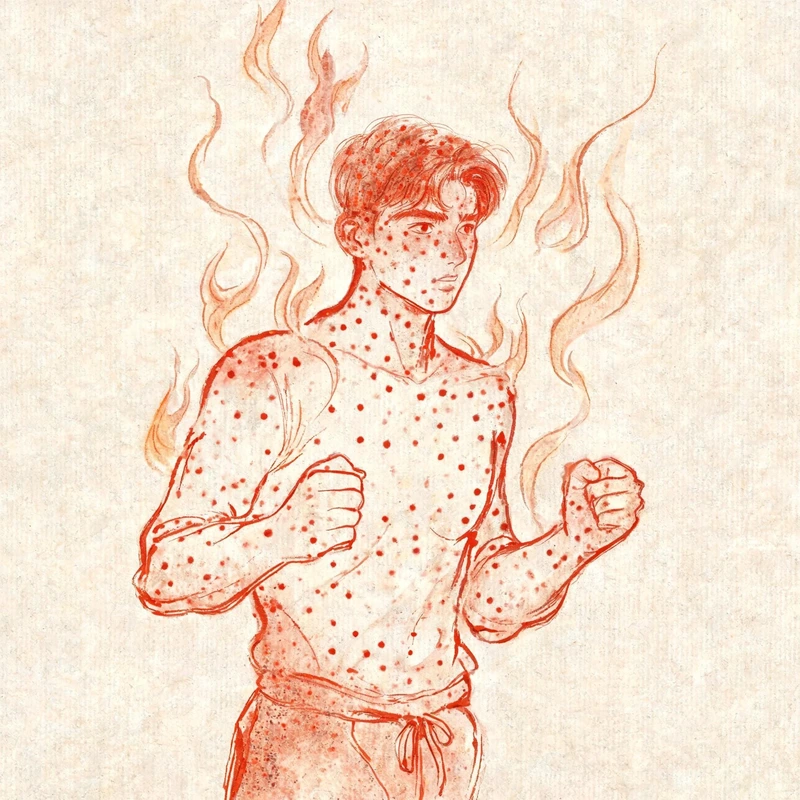
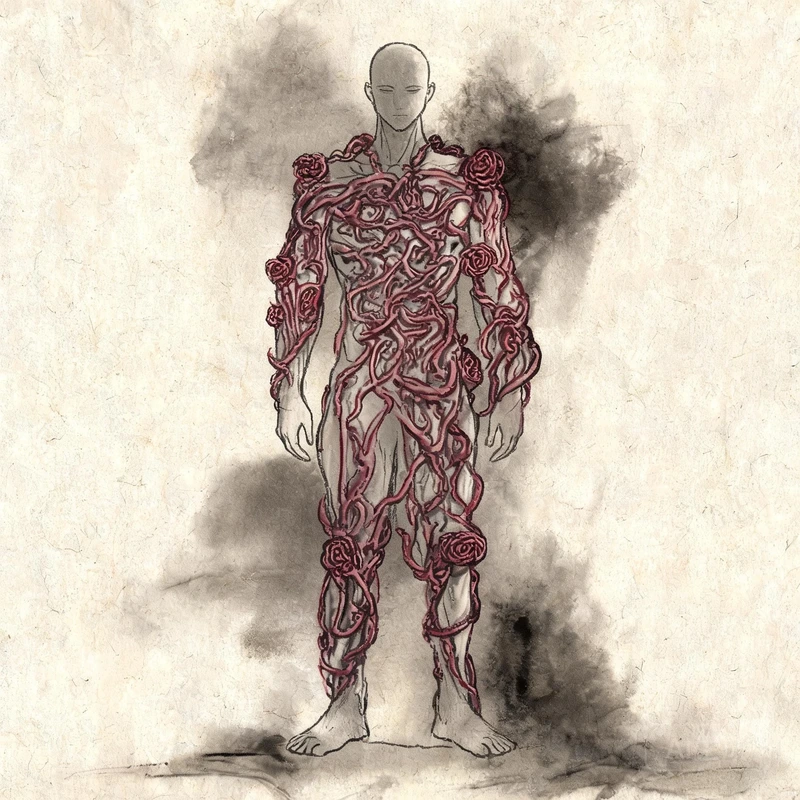
Special Constitution is characterized by innate vulnerability and allergic tendencies. Common signs include allergic rhinitis, asthma, urticaria, eczema, hay fever, or sensitivities to food, medication, pollen, dust mites, and odors. The focus is on strengthening Wei Qi, nourishing blood, dispelling wind, avoiding allergens, and enhancing immunity.
Daily Routine
The core principles for Special Constitution are avoidance and protection. Maintain regular routines, get enough sleep, and avoid staying up late. Keep your home clean and ventilated without overusing disinfectants or air fresheners. Wash bedding and curtains regularly; use anti-dust-mite covers. Reduce outdoor time during pollen season and wear masks and glasses outside. Avoid known allergens such as pet dander, smoke, and strong perfumes.
Dietary Plan
The diet should focus on strengthening Qi, consolidating the exterior, tonifying the Spleen, and nourishing blood. Regularly eat Chinese yam, lotus seeds, euryale seeds, red dates, astragalus, codonopsis, white hyacinth bean, coix seed, goji berries, black fungus, white fungus, carrots, and pumpkin. Keep meals light, warm, and easy to digest; avoid cold, greasy, spicy, and irritating foods. Keep a food diary to identify and avoid trigger foods.
Movement & Exercise
Exercise helps build constitution and immunity, but avoid outdoor activity when pollen or air pollution is high. Recommend swimming, brisk walking, yoga, Tai Chi, and Baduanjin. Change clothes and clean skin promptly after exercise to avoid sweat irritation. Progress gradually and avoid overexertion.
Emotional Care
Special Constitution types may feel anxious or irritable due to recurrent allergies. Learn to accept your body and avoid excessive worry. Keep emotions calm and avoid dramatic mood swings. Use meditation, deep breathing, music, and chatting with friends to relax. Understanding and managing allergens gives you a greater sense of control.
 TB
TB
Strengthen the exterior, and the pathogen cannot enter. — TCM wisdom
The map is still a sample. Complete the 60 questions, and this page will light up with a result made just for you.
Answer consistency
ReliabilityWhat you see now is sample data. After the 60 questions, this card shows your personal reliability score and any contradictions in your answers.
Your answers are consistent — the result is a solid reference.
Nine-dimension map
Converted score 0–100
Constitution at a glance
Special Constitution means an inborn vulnerability with a tendency to overreact. It typically appears as allergic rhinitis, asthma, urticaria, eczema, or hay fever, and as sensitivity to certain foods, medicines, pollen, dust mites, and odours. The work is strengthening Wei Qi, nourishing blood, dispelling wind, avoiding known triggers, and supporting immunity.
Where it shows
Sneezing fits on particular days, skin that reacts to products others tolerate, and symptoms that track the season.
What is actually happening
In TCM terms the defensive Qi is thin, so Wind — the carrier of allergens — gets in more easily than it should.
What it responds to
Knowing your triggers, regular routine, gentle consistent exercise, and food that is light, warm, and easy to digest.
Your strengths · Watch-outs
Your strengths
- Notices subtle changesYou detect shifts in environment and body earlier than most people.
- Health-awareYou pay attention to your body in a way that pays off long-term.
- Good at risk avoidanceStrong protective habits that genuinely reduce flares.
- Improves with careAllergic episodes can become less frequent once triggers are managed.
- Experienced self-carerYou have built real expertise in managing your own body.
Watch-outs
- Flares disrupt daily lifeSymptoms interfere with sleep, work, and plans in ways others rarely see.
- Season- and environment-dependentCertain places and times of year reliably make things worse.
- Sensitive skin and airwaysProducts and air quality that others ignore are real problems for you.
- Dietary and medication limitsRestrictions narrow choices, at home and when eating out.
- Anxiety about the next flareChronic allergies carry a background worry that wears people down.
Body signals
Special (Allergy-Prone) Constitution means your skin, nose, airway, or digestion overreacts to triggers like pollen, dust, certain foods, or temperature changes.
Skin
Itchy, red, or rash-prone skin; hives.
Respiratory
Sneezing, runny nose, cough in certain environments.
Digestion
Bloating, diarrhea, or nausea after specific foods.
Sensitivity
Reacts to smells, chemicals, weather changes.
Meridians & acupoints
Allergy-Prone Constitution benefits from points that strengthen defensive Qi and support Lung and Spleen function.
Zusanli (ST36)
Four finger-widths below the kneecap, one finger-width outside the shinbone.
Press 3-5 minutes daily.
Supports digestion and defensive Qi.
Feishu (BL13)
Below the spinous process of the 3rd thoracic vertebra, 1.5 cun lateral.
Tap or press 2-3 minutes.
Supports respiratory defense.
Pishu (BL20)
Below the spinous process of the 11th thoracic vertebra, 1.5 cun lateral.
Tap or warm massage 3 minutes.
Strengthens digestion and nutrient absorption.
Food therapy
Allergy-Prone Constitution needs simple, low-trigger foods that strengthen defensive Qi. Introduce new foods one at a time.
Chinese yam & lotus seed congee
Shan yao and lian zi in rice porridge.
Strengthens Spleen and Lung Qi.Astragalus & red date tea
Huang qi with red dates.
Supports defensive Qi.Steamed pumpkin
Simple steamed pumpkin or squash.
Gentle, easy to digest.Ginger & jujube tea
Warm ginger tea with dates.
Warms and supports immunity.Daily rhythm
-
6:30-7:30
Check environment
Note air quality and pollen count; ventilate if safe.
-
7:30-9:00
Gentle breakfast
Warm, simple foods; avoid new or risky ingredients.
-
9:00-12:00
Protected outings
Wear mask or glasses outdoors if needed.
-
12:00-13:30
Lunch
Light, low-trigger meal; avoid seafood if reactive.
-
13:30-15:00
Rest
Relax indoors; avoid crowded or dusty places.
-
15:00-18:00
Indoor activity
Yoga, tai chi, or light stretching in a clean space.
-
18:00-19:30
Early dinner
Simple foods; finish 3 hours before bed.
-
21:00-22:30
Cleanse and sleep
Shower, rinse nose if needed; be in bed by 23:00.
Exercise guidance
Moderate indoor exercise strengthens immunity without exposing you to pollen, dust, or pollution.
Best choices
- Indoor yoga
- Tai Chi
- Swimming in clean pools
- Treadmill or stationary bike
Tips
- Check air quality before outdoor exercise
- Shower and change clothes after
- Avoid exercising during high pollen counts
Diet tips · Movement tips
Diet tips
The Special Constitution plate should be light, warm, and easy to digest — with known allergens strictly off it.
Everyday staples
- Millet, rice, Chinese yam, and pumpkin as the base.
- Chicken, duck, pork, and fish for protein — try seafood cautiously.
Worth adding
- Spleen-supporting, Qi-boosting foods: Chinese yam, lotus seed, euryale seed, white hyacinth bean, red date, astragalus, codonopsis, poria.
- Chinese yam and lotus seed porridge; astragalus and red date chicken; codonopsis and poria pork rib soup; white fungus and lily bulb soup; carrot and pumpkin soup.
Worth limiting
- Your own known allergens, first and always.
- Cold fruit, iced drinks, spicy barbecue, fried food, very sweet pastries, alcohol, strong tea, and coffee.
- Processed foods with additives and preservatives.
Movement tips
Exercise strengthens Lung and Spleen function and builds Wei Qi — but overdoing it lowers immunity, so moderation is the point.
What suits you
- Swimming, yoga, Pilates, Tai Chi, Baduanjin, brisk walking, and stationary cycling.
- Three to five sessions a week, 20–40 minutes, until gently warm without heavy sweating.
Where to stop
- Skip outdoor training during pollen season or heavy smog.
- Shower, change, and rinse skin and nasal passages promptly afterwards.
Emotional care
Living with chronic allergies brings anxiety, irritability, and a fair amount of helplessness. Making peace with the body is part of managing it.
Reframe the signal
- Treat allergy as information to be understood, not as a defect in you.
- Knowing your triggers restores a surprising amount of agency.
Build predictability
- Keep regular sleep times and regular meals — routine increases the sense of control.
- A steady base makes flares easier to ride out when they come.
Ride out the flare
- When symptoms spike, breathe slowly and remind yourself: this will pass.
- Redirect attention to something absorbing — a film, music, or making something.
Do not let it define you
- Ask for family support or professional counselling when it gets heavy.
- Allergies are something you manage, not the whole of what you are.
A flare is information, not a verdict. It also passes.
Emotion & physical-energy curve
Scores show how this pattern's emotional and physical energy moves over time — for self-observation only.
Social relations
Allergy-Prone Constitution often requires extra communication and planning in social life. You may need to ask about ingredients, avoid certain venues, or leave early when triggers appear. Clear, calm advocacy keeps you safe and connected.
Settings that suit you
- Homemade meals where ingredients are known
- Clean, low-scent environments
- Small groups in familiar places
- Outdoor meetups when pollen counts are low
Watch out for
- Buffets or shared food with unknown ingredients
- Homes with strong fragrances or pets
- Events during high pollen or poor air quality
- Tell hosts about your triggers in advance.
- Carry safe snacks and any needed medication.
- Use simple, factual language: "I am sensitive to X."
- Thank people who accommodate your needs.
Do not eat food you cannot identify.
Leave a place if symptoms start.
Protect your health even if it feels awkward.
Your boundaries are health safeguards, not social flaws. The people who matter will want you to feel safe.
Workplace tips
At work, the environment matters as much as the workload. Control what you can control.
A workable daily rhythm
- Keep a steady pace and avoid continuous overtime, which lowers immunity.
- Take breaks somewhere with better air.
- Wipe down your desk regularly and keep it ventilated.
- Use saline spray before speaking if you are congested.
Choose the right desk plant
A small green plant helps — but avoid strongly scented or pollen-heavy varieties.
Carry your own kit
Mask, low-allergen tissues, and gentle skincare kept within reach.
Ask for what you need
If a known allergen is present at work, talk to colleagues and arrange something reasonable.
Home environment
Allergy-Prone Constitution needs a home that minimizes triggers and supports defensive Qi. Clean air, low dust, and fragrance-free products are essential.
- Use allergen-proof covers for pillows and mattresses.
- Wash bedding weekly in hot water.
- Keep pets out of the bedroom if they trigger symptoms.
- Label safe foods clearly.
- Avoid storing strong-smelling cleaners near food.
- Prepare simple, low-trigger meals.
- Use a HEPA air purifier if possible.
- Avoid heavy curtains and upholstered furniture that trap dust.
- Choose fragrance-free candles and cleaning products.
- Remove shoes and outerwear at the door.
- Rinse off pollen after outdoor activities.
- Keep windows closed during high pollen counts.
An allergy-friendly home is not about perfection; it is about reducing total trigger load. Small changes in bedroom and air quality often make the biggest difference.
Seasonal care
Each season has its own trigger for this pattern, so preparation matters more than reaction.
Spring
Pollen is at its peak: wear a mask and glasses outdoors, and wash your face, change clothes, and rinse your nose on returning home.
Summer
Damp-heat runs high: avoid long stretches in air-conditioned rooms and keep meals light.
Autumn
Dryness brings itchy skin — moisturise and drink plenty of water.
Winter
Keep warm to prevent colds and stop cold air from irritating the airways.
Daily rituals
Morning saline nasal rinse
Rinse nasal passages with warm saline to remove allergens and keep airways clear.
Gentle evening face wash
Wash face with warm water and a mild cleanser to remove pollen and dust.
Keep an allergy diary
Record daily diet, environment, and symptoms to help identify triggers.
Quick resets
When allergy symptoms flare, use these quick relievers.
Use saline rinse to reduce allergens.
Relieves skin allergy symptoms.
Supports defensive Qi and eases symptoms.
Immediately move away from the likely allergen.
Four-week plan
Allergy-Prone Constitution means your body overreacts to triggers. The goal is to reduce exposure, strengthen defensive Qi, and stabilize reactivity. This plan progresses from trigger identification to immune-stabilizing routines.
Detect: Map your triggers
You cannot manage what you do not notice. Week one is about observing environments, foods, and times that trigger symptoms.
Goals
- Keep a simple symptom and exposure diary
- Identify top 3 likely triggers
- Clean bedroom and bedding thoroughly
Daily routine
- Check air quality and pollen count
- Note morning symptoms in diary
- Simple warm breakfast; avoid new or risky ingredients
- Take any prescribed medication on schedule
- Wear mask or glasses outdoors if needed
- Avoid dusty or fragrant environments
- Light, low-trigger lunch
- Rest indoors away from crowds
- Shower and rinse hair to remove pollen and dust
- Sleep by 23:00 in clean bedding
Weekly tasks
- Wash bedding in hot water
- Vacuum with HEPA filter if available
- List all personal triggers and severity 1-10
Milestones
- 7 days of trigger diary completed
- Bedroom feels cleaner and symptom triggers reduced
Strengthen defense: Spleen and Lung Qi
Defensive Qi comes from strong digestion and respiration. This week focuses on gentle, immune-supporting foods and habits.
Goals
- Eat Spleen-supporting foods daily: yam, pumpkin, rice, lotus seed
- Avoid foods that cause bloating or reactions
- Do gentle indoor exercise 3 times
Daily routine
- Check environment; warm water
- Gentle indoor stretching
- Warm breakfast: yam or lotus seed congee
- Avoid cold or new foods
- Protected outings or indoor work
- Avoid strong scents and smoke
- Low-trigger lunch
- Rest indoors
- Indoor yoga, tai chi, or light stretching
- Astragalus and red date tea
- Shower and relax
- Clean nasal passages if needed; sleep by 23:00
Weekly tasks
- Learn 2 Spleen-strengthening recipes
- Stock safe snacks for travel or work
- Track symptom severity and possible food links
Milestones
- 5 days without reactive foods
- 3 indoor exercise sessions completed
Stabilize: Build predictable routines
Allergic bodies often do better with predictable sleep, meals, and environments. This week reduces variability.
Goals
- Eat at the same times every day
- Sleep by 23:00 nightly
- Create a clean home zone and travel kit
Daily routine
- Same wake time daily
- Environment check and warm water
- Familiar breakfast
- Prepare safe food for the day
- Planned lunch from safe ingredients
- Indoor rest
- Gentle indoor movement
- Tea and relaxation
- Early light dinner
- Avoid new restaurants or ingredients
- Evening cleanse routine
- Relaxation before sleep
Weekly tasks
- Create an allergy travel kit: mask, wipes, safe snacks, medication
- Establish a "safe foods" list
- Reduce use of scented products at home
Milestones
- Regular meal and sleep times for 7 days
- Travel kit prepared and ready
Maintain: Long-term resilience
Build a sustainable system for managing triggers and supporting defensive Qi over time.
Goals
- Form 3 automatic allergy-management habits
- Create an action plan for high-risk days
- Plan next month's focus
Daily routine
- Check environment; warm water
- Brief symptom check
- Safe warm breakfast
- Prepare for the day
- Planned low-trigger lunch
- Indoor rest or protected outing
- Gentle movement or rest as needed
- Tea
- Light dinner
- Avoid risky foods and environments
- Cleanse and relax
- Sleep by 23:00
Weekly tasks
- Write your personal allergy management guide
- Schedule follow-up with healthcare provider if needed
- Review and update trigger diary
Milestones
- 3 management habits feel automatic
- Maintain trigger diary and sleep routine for 14 days
Allergy-Prone Constitution improves with steadiness, not extreme avoidance. The goal is to reduce total trigger load while building your body's resilience. Work with healthcare providers for serious reactions.
Deep reading
Special Constitution, also called Allergy-Prone Constitution, means the body's defensive barrier is easily triggered. Understanding this pattern helps you reduce reactions and build resilience.
What is Special / Allergy-Prone Constitution?
In TCM, this constitution is marked by hypersensitivity. The skin, nose, airways, or digestion may overreact to pollen, dust, certain foods, fragrances, temperature changes, or medications. Symptoms can include hives, eczema, sneezing, nasal congestion, cough, wheezing, itchy eyes, or digestive upset. This pattern reflects instability in defensive Qi and often involves Lung and Spleen function.
Why does it develop?
Allergic tendencies can be inherited and are often linked to modern environments: pollution, synthetic fragrances, processed foods, and over-cleanliness that limits immune training. In TCM terms, weak Lung Qi fails to protect the surface, and weak Spleen Qi fails to transform food properly. Chronic stress and irregular sleep further weaken defensive Qi. Some triggers appear after illness, medication, or major life stress.
Daily clues of Allergy-Prone Constitution
You react to foods, smells, or weather changes that others barely notice. Your skin is prone to redness, itching, or rashes. You sneeze or have a runny nose in certain environments. New skincare products or detergents cause irritation. You may feel tired or bloated after eating trigger foods. You often check air quality or pollen counts before going out.
Core care principles
The strategy has two parts: reduce triggers and strengthen defensive Qi. Identify and avoid personal triggers. Keep the home clean, ventilated, and fragrance-free. Strengthen Spleen and Lung Qi with foods such as Chinese yam, lotus seed, astragalus, pumpkin, and white fungus. Gentle indoor exercise such as yoga or tai chi builds resilience without exposing you to allergens.
Common misunderstandings
Some people think allergies are purely genetic and unchangeable. While genes matter, TCM sees allergic reactivity as a state that can be modified. Another myth is that avoiding all possible triggers is the only solution. Over-avoidance can make the immune system more reactive; the goal is to reduce total load while building defensive strength.
Long-term outlook
With steady care, many people experience fewer reactions and milder symptoms over time. The aim is not to eliminate all sensitivity but to improve quality of life and reduce dependence on emergency medication. Working with healthcare providers for serious reactions remains essential.
Allergy-Prone Constitution improves with steadiness, not extreme avoidance. Reduce trigger load while building your body's resilience.
Blended constitution
Most people are a blend of constitutions — rarely one pure type. The national standard (ZYYXH/T157-2009) classifies a constitution as "yes" when its transformed score reaches 40, and as "tendency" between 30 and 39. Tune the dominant one first, then the secondary.
Common blends:Special constitutional (allergic) tendency often sits with qi-deficiency. Strengthen defensive qi first to calm sensitivities.
Your exact blend is shown after you complete the test — this is the general picture for the Special Constitution (Allergy-Prone) type.

A note from Bong
<p>Special Constitution is not being fussy. It is your body reminding you, in a special way, that it needs more care and understanding. Avoiding allergens, maintaining regular routines, and eating well are acts of gentleness toward yourself. Even with allergies, you can live freely—the key is learning to listen to your body.</p>
Ask AI about your result
Copy the prompt with your answers and result for a deeper reading.
This is a sample report. Answer the 60 questions to generate the portrait that truly belongs to you.
Take it again?
Your constitution shifts with seasons, stress and food. Retake it later and watch the body move.