Damp-Heat Constitution
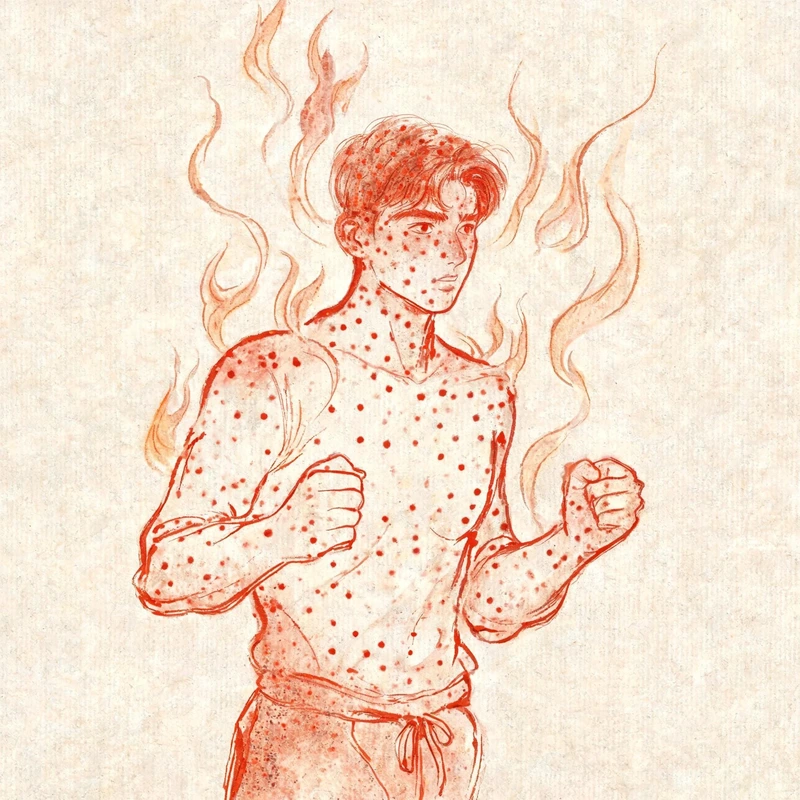
Damp-Heat Constitution is characterized by internal accumulation of damp-heat and dysfunction of the Spleen, Stomach, Liver, and Gallbladder. Common signs include oily, dirty-looking face, acne and pimples, bitter and dry mouth, sticky foul-smelling stools, scanty yellow urine, and a red tongue with yellow greasy coating. The focus is on clearing heat, draining dampness, soothing the Liver, strengthening the Spleen, and eating lightly.
Daily Routine
The core principle for Damp-Heat is “clear heat and drain dampness.” Maintain regular routines, avoid staying up late and overworking. Keep living spaces dry and ventilated, avoiding damp heat. Stay emotionally balanced and avoid intense anger or depression. In summer, avoid sun exposure and excessive cold exposure; do not set air conditioning too low. Wear breathable, sweat-absorbing cotton underwear.
Dietary Plan
The diet should focus on clearing heat, draining dampness, and being light. Regularly eat mung beans, adzuki beans, Job's tears, winter melon, bitter melon, cucumber, celery, lotus root, purslane, dandelion, capillary wormwood, corn silk, poria, and lotus leaf. Prefer steaming, boiling, stewing, and light salads; minimize frying, grilling, and spice. Drinks such as chrysanthemum tea, honeysuckle tea, lotus-leaf tea, and mung bean soup help clear heat.
Movement & Exercise
Choose exercise that promotes sweating without depleting Yin through heavy sweating: brisk walking, jogging, swimming, yoga, Tai Chi, and Baduanjin. Avoid exercising in hot, humid environments. Shower and change clothes promptly after exercise to keep skin dry.
Emotional Care
Damp-Heat tends to make emotions impatient. Focus on soothing the Liver, regulating Qi, and calming the spirit. Use meditation, deep breathing, music, and walking to release stress. Avoid prolonged tension, anxiety, or anger. Cultivate hobbies and slow down the pace of life.
 SR
SR
Clear heat and drain dampness, and the body becomes light. — TCM wisdom
The map is still a sample. Complete the 60 questions, and this page will light up with a result made just for you.
Answer consistency
ReliabilityWhat you see now is sample data. After the 60 questions, this card shows your personal reliability score and any contradictions in your answers.
Your answers are consistent — the result is a solid reference.
Nine-dimension map
Converted score 0–100
Constitution at a glance
Damp-Heat means dampness and heat have pooled together, and the Spleen, Stomach, Liver, and Gallbladder are struggling with it. The usual signs are an oily, dull-looking face, acne, a bitter dry mouth, sticky foul-smelling stools, scanty dark urine, and a red tongue with a yellow greasy coating. The work is clearing heat, draining dampness, soothing the Liver, supporting the Spleen, and eating lightly.
Where it shows
Skin that turns oily quickly, breakouts, bad breath, and a short temper when the weather or the workload heats up.
What is actually happening
Dampness and heat feed each other: dampness traps heat, and heat thickens dampness. Neither clears well alone.
What it responds to
Light bitter foods, sweating exercise, cool routines, and fewer late nights. Alcohol and fried food undo everything else.
Your strengths · Watch-outs
Your strengths
- Energetic and action-orientedYou start quickly and carry momentum into a task.
- Frank and decisiveDirectness saves a lot of time for everyone around you.
- Handles heat wellWarm environments bother you less than most.
- Care shows on the faceSkin and mood both improve clearly once heat is brought down.
- Good in dynamic workCreative, fast-moving roles suit your tempo.
Watch-outs
- Oily skin and breakoutsAcne is persistent and worsens with late nights and fried food.
- Bitter mouth, bad breathNoticeable enough to affect how comfortable you feel socially.
- Sticky stools, dark urineDigestive and urinary signs that track how much heat is present.
- IrritabilityA short fuse that flares fastest when you are hot, tired, or hungry.
- Summer is the worstSymptoms intensify in hot, humid conditions.
Body signals
Damp-Heat combines heaviness with heat: oily skin, bitter taste, sticky stools, acne, and a short temper.
Oiliness
Oily face and scalp; acne or rashes.
Bitter taste
Bitter or sticky taste in the mouth, bad breath.
Bowels
Sticky stools, incomplete evacuation.
Mood
Irritable, restless, impatient.
Meridians & acupoints
Damp-Heat benefits from points that clear heat and drain dampness, especially along the Spleen and Large Intestine channels.
Quchi (LI11)
At the outer end of the elbow crease.
Press or massage 2-3 minutes.
Clears heat, benefits skin.
Yinlingquan (SP9)
In the depression below the inner knee.
Press 2-3 minutes.
Drains damp-heat.
Zusanli (ST36)
Four finger-widths below the kneecap, one finger-width outside the shinbone.
Press 3 minutes.
Strengthens digestion.
Food therapy
Damp-Heat needs cooling, damp-draining foods. Avoid alcohol, spicy food, greasy takeout, and late-night eating.
Mung bean soup
Lv dou simmered until soft.
Clears heat, relieves summerheat.Bitter melon stir-fry
Ku gua lightly cooked with garlic.
Clears heat, drains damp.Lotus leaf tea
He ye steeped as tea.
Resolves damp-heat, aids weight.Cucumber & seaweed salad
Fresh cucumber with wakame and vinegar.
Cooling and detoxifying.Daily rhythm
-
6:30-7:30
Cool wake-up
Warm water or light green tea; observe skin and tongue.
-
7:30-9:00
Light breakfast
Mung bean congee, oats, or whole-grain bread.
-
9:00-12:00
Ventilated work
Keep air moving; avoid stuffy rooms.
-
12:00-13:30
Lunch
Leafy greens, melons, tofu; avoid greasy food.
-
13:30-15:00
Rest
Short walk; avoid napping too long.
-
15:00-18:00
Afternoon
Cooling tea like chrysanthemum or lotus leaf.
-
18:00-19:30
Light dinner
Bitter melon or winter melon dishes; no late meals.
-
22:00-23:00
Wind down
Reduce screens; be asleep by 23:00.
Exercise guidance
Sweating exercise helps release damp-heat, but avoid exercising in hot, humid midday conditions.
Best choices
- Swimming
- Jogging in cooler hours
- Cycling
- Vinyasa yoga
Tips
- Shower and change after sweating
- Drink warm water, not ice water
- Avoid alcohol post-workout
Diet tips · Movement tips
Diet tips
The Damp-Heat plate should be clear, light, mildly bitter, and draining.
Everyday staples
- Mung beans, adzuki beans, Job’s tears, winter melon, bitter melon, cucumber, celery, and lotus root.
- Purslane, dandelion, capillary wormwood, corn silk, poria, lotus leaf, white radish, and water chestnut.
Worth adding
- Mung bean and Job’s tears soup; winter melon, lotus leaf and pork rib soup; bitter melon scrambled eggs; cold purslane salad.
- Daily drinks: chrysanthemum, honeysuckle, cassia seed, lotus leaf, or dandelion tea.
Worth limiting
- Chilli, Sichuan pepper, ginger, lamb, chives, lychee, longan, and durian.
- Fried, grilled and hot-pot food; cream cakes and chocolate; alcohol, coffee, and strong tea; sweet sticky foods.
Movement tips
Here sweat is the point: dampness drains through it, and heat releases with it.
What suits you
- Brisk walking, jogging, swimming, cycling, yoga, Tai Chi, and Baduanjin.
- Four to five sessions a week, 30–50 minutes, until warm, lightly sweaty, and mentally clearer.
Where to stop
- Avoid training under strong sun or in high heat and humidity.
- Clean the skin and change into dry clothes promptly afterwards.
Emotional care
Damp-Heat makes emotions flare quickly. Managing heat is emotional work as much as dietary work.
Put a pause in front of the reaction
- When upset, take three slow breaths before responding — it changes what you actually say.
- Cultivate a calming hobby: calligraphy, painting, fishing, or gardening.
Cool the evenings
- Late-night dramas and gaming feed Liver fire; the cost shows up the next morning.
- Build a wind-down that does not involve a screen.
Shape the surroundings
- Favour cool colours — blue and green — and unhurried music.
- Keep rooms ventilated; stuffy heat exaggerates every irritation.
Remember the direction
- A calm mind genuinely cools the body; the two are not separate here.
- Cooling the emotions supports clearing heat and draining dampness.
A settled mind is already half the cooling.
Emotion & physical-energy curve
Scores show how this pattern's emotional and physical energy moves over time — for self-observation only.
Social relations
Damp-Heat can make social situations feel hot and prickly. You may become impatient when environments are humid, noisy, or alcohol-heavy. Cool, clear communication and breathable settings are your friends.
Settings that suit you
- Outdoor gatherings in cooler hours
- Swimming or water-based activities
- Light, alcohol-free socializing
- Well-ventilated restaurants
Watch out for
- Hot, crowded bars or clubs
- Spicy food plus alcohol nights
- People who thrive on drama and conflict
- Cool down before responding when irritated.
- Be direct about preferring ventilated or outdoor venues.
- Avoid gossip or heated discussions that fan inner heat.
- Apologize quickly if sharpness slips out.
Limit alcohol and spicy food in social settings.
Leave environments that feel physically overheating.
Do not let peer pressure override your dietary needs.
Your body mirrors your environment. Choosing cooler, calmer social spaces helps your mood stay cooler too.
Workplace tips
At work, Damp-Heat shows up as impatience and friction with colleagues. Small environmental changes do most of the work.
A workable daily rhythm
- Keep chrysanthemum or cassia seed tea on the desk to clear Liver fire.
- Leave your seat and walk for a few minutes when pressure builds.
- Take a short walk after lunch to aid digestion.
- Keep your face clean; keep oil-blotting sheets or a refreshing mist on hand.
Eat light at lunch
Avoid greasy, spicy lunches — they make the afternoon considerably worse.
Keep the air moving
Ventilate the workspace; heat and staleness both amplify irritability.
Slow down with people
Communicate patiently with colleagues — friction here costs more than the point is worth.
Home environment
Damp-Heat needs a home that stays cool, ventilated, and clean. Heat and humidity can amplify oiliness, irritability, and sticky bowels.
- Sleep in a well-ventilated, not overly warm room.
- Use breathable bedding and change sheets weekly.
- Avoid heavy blankets that trap heat.
- Keep mung beans, lotus leaf, chrysanthemum, and winter melon on hand.
- Avoid alcohol, spicy sauces, and late-night greasy food.
- Clean the fridge regularly to prevent odors.
- Shower promptly after sweating.
- Keep towels dry and change them often.
- Use a mild, non-greasy moisturizer.
- Use fans or air conditioning moderately to move air.
- Avoid overcrowded or stuffy spaces.
- Wipe dust and keep surfaces clean.
Damp-Heat responds quickly to environment. Cool, clean air and clutter-free surfaces help your body release heat and dampness.
Seasonal care
Damp-Heat peaks in summer, but each season shifts what the body needs.
Spring
Liver Qi rises with the season — soothe the Liver and clear heat, and avoid emotional extremes.
Summer
The peak of damp-heat: avoid strong sun and excessive cold, and drink more heat-clearing, dampness-draining teas.
Autumn
Dryness increases — reduce bitter-cold draining foods and add lung-moistening ones.
Winter
Avoid heavy warming tonics that trap dampness and generate heat; choose neutral foods like Chinese yam, lotus seed, and lily bulb.
Daily rituals
Rinse mouth with lightly salted water on waking
Rinse for one minute to clean the mouth and reduce bitterness and bad breath.
A cup of mung bean and Job's tears water
Boil mung beans and Job's tears as tea substitute to clear heat and drain dampness, 3–4 times a week.
Gentle face cleansing before bed
Wash the face with warm water and a mild cleanser to keep skin fresh.
Quick resets
When Damp-Heat feels hot and irritable, use these quick coolers.
Clears heat and relieves dry, bitter mouth.
Clears heat and drains dampness, refreshes the palate.
Cools and wakes you, reduces facial oiliness.
Sweat to release heat and dampness.
Four-week plan
Damp-Heat is a sticky, hot pattern: oily skin, bitter taste, irritability, and incomplete bowel movements. The plan clears heat, drains damp, and restores clarity through diet, environment, and sweat.
Clear the heat: Remove alcohol, spice, and grease
Alcohol, spicy food, greasy takeout, and late nights worsen damp-heat. Week one clears these sources.
Goals
- No alcohol or spicy food for 7 days
- No late-night eating after 20:00
- Drink 1.5-2 liters of warm water daily
Daily routine
- Warm water or light green tea
- Observe skin and tongue upon waking
- Light breakfast: mung bean congee, oats, or whole grains
- Avoid fried breakfast items
- Lunch: leafy greens, melons, tofu; avoid greasy meat
- Short walk in ventilated area
- Cooling tea: chrysanthemum, lotus leaf, or mung bean
- Avoid sugary snacks and energy drinks
- No food after 20:00
- Reduce screens; sleep by 23:00
Weekly tasks
- Remove alcohol, chili oil, and deep-fried snacks from home
- Prepare mung beans, lotus leaf, and chrysanthemum tea
- Track skin oiliness and mood irritability
Milestones
- 7 days alcohol-free and spicy-food-free
- Skin feels less oily on at least 3 mornings
Drain damp: Food and fluids that clear
Bitter, cooling, and lightly diuretic foods help drain damp-heat without over-chilling the digestion.
Goals
- Eat bitter melon, winter melon, or mung beans 4 times this week
- Replace sugary drinks with plain warm water or herbal tea
- Keep bowels regular
Daily routine
- Warm water with lemon or cucumber slice
- Light stretching
- Breakfast: congee, steamed vegetables, or whole grains
- No pastries or sweetened drinks
- Lunch: vegetables + lean protein; avoid deep-fried food
- Walk 10 minutes after eating
- Lotus leaf or mung bean tea
- Fresh fruit instead of sweets
- Light dinner: bitter melon, winter melon, or seaweed
- No alcohol; no second helpings
Weekly tasks
- Try 2 new damp-heat clearing recipes
- Eat dinner before 19:30 every day
- Record stool consistency and skin changes
Milestones
- 4 meals include bitter or cooling vegetables
- Bowel movements feel more complete
Sweat and ventilate: Move damp-heat out
Sweating and fresh air help the body release damp-heat. Avoid exercising in hot, humid midday conditions.
Goals
- Exercise 4 times this week, aiming for a light sweat
- Shower and change immediately after sweating
- Keep living spaces ventilated and not overly humid
Daily routine
- Warm water; check weather and air quality
- Dress in breathable fabrics
- Morning workout: swim, jog, cycle, or brisk walk in cooler hours
- Hydrate with warm water after
- Light lunch; avoid greasy food
- Rest in a cool, airy place
- Cooling tea; avoid direct sun and stuffy rooms
- Light movement if sitting long
- Shower to remove sweat and oil
- Sleep by 23:00
Weekly tasks
- Clean bedding, towels, and bathroom to reduce damp
- Find an indoor exercise option for humid days
- Avoid alcohol and late takeout completely
Milestones
- 4 workouts completed with prompt clothing change
- Home feels less stuffy or humid
Maintain clarity: Long-term damp-heat balance
Build habits that prevent damp-heat from recurring, especially during hot, humid seasons.
Goals
- Form 3 automatic damp-heat prevention habits
- Create a "hot weather eating plan"
- Plan next month's focus
Daily routine
- Warm water; skin and tongue check
- Light stretch
- Light, cooling breakfast
- Prepare tea for the day
- Balanced lunch with vegetables
- Walk or rest in ventilated space
- Herbal tea; avoid sugar and fried snacks
- Move or stand hourly
- Early light dinner
- Evening wind-down without alcohol
Weekly tasks
- Write your damp-heat prevention guide
- Stock cooling teas and light snacks
- Schedule monthly skin and digestion review
Milestones
- 3 prevention habits feel automatic
- Maintain alcohol-free and early-dinner habits for 14 days
Damp-Heat often comes back during hot, humid weather or after a weekend of drinking and spicy food. Consistency during calm weeks matters more than perfection during hard weeks.
Deep reading
Damp-Heat is a sticky, hot pattern. It combines the heaviness of dampness with the irritation of heat, often showing up in the skin, digestion, and mood.
What is Damp-Heat?
Damp-Heat occurs when dampness accumulates and is complicated by heat. In TCM, this often involves the Spleen, Stomach, Liver, and Large Intestine. Typical signs include oily skin, acne, bitter or sticky taste in the mouth, bad breath, yellow urine, sticky stools, and a feeling of incomplete evacuation. The tongue is usually red with a thick yellow coating. Emotionally, Damp-Heat can manifest as irritability, impatience, and restlessness.
Why does it develop?
Damp-Heat commonly develops from a diet rich in greasy food, alcohol, spicy food, and sweets, especially when combined with late-night eating and humid environments. Chronic stress and frustration can generate internal heat, while poor digestion produces dampness. Hot, humid climates and stuffy indoor air worsen the pattern. Some people are constitutionally prone to heat or dampness from birth.
Daily clues of Damp-Heat
Your face and scalp feel oily by midday. You notice a bitter or sticky taste, especially in the morning. Acne or rashes tend to flare. Bowel movements feel sticky or incomplete. You feel hot and bothered in humid weather. Alcohol, spicy food, or greasy takeout quickly make symptoms worse. You may feel irritable or impatient when overheated.
Core care principles
The strategy is to clear heat and drain dampness simultaneously. Eat cooling, damp-draining foods such as mung beans, bitter melon, winter melon, lotus leaf, cucumber, and seaweed. Avoid alcohol, spicy food, fried food, and late meals. Drink warm water and herbal teas rather than cold sugary drinks. Exercise to a light sweat in cooler hours, then shower and change promptly. Keep environments ventilated and clean.
Common misunderstandings
Some people think Damp-Heat just needs more cold food. Ice cream and iced drinks may temporarily cool the mouth, but they damage digestion and create more dampness. Another myth is that oily skin only needs stronger skincare. Internal damp-heat must be addressed through diet, environment, and sweat for lasting improvement.
Long-term outlook
Damp-Heat can improve quickly when the main triggers are removed. Skin, digestion, and mood often feel better within weeks. However, the pattern tends to return during hot, humid weather or after alcohol-heavy weekends. Long-term success requires consistent habits rather than occasional detoxes.
Damp-Heat often returns during hot, humid weather or after drinking and spicy food. Consistency matters more than perfection.
Blended constitution
Most people are a blend of constitutions — rarely one pure type. The national standard (ZYYXH/T157-2009) classifies a constitution as "yes" when its transformed score reaches 40, and as "tendency" between 30 and 39. Tune the dominant one first, then the secondary.
Common blends:Damp-heat often coexists with phlegm-dampness and qi stagnation. Clear heat and drain dampness together, then move qi.
Your exact blend is shown after you complete the test — this is the general picture for the Damp-Heat Constitution type.

A note from Bong
<p>Damp-Heat is not a bad temper. It is dampness and heat stirring inside the body. When you eat lightly, exercise regularly, and keep a good mood, that oily, irritable feeling will gradually fade. Your body deserves gentle care.</p>
Ask AI about your result
Copy the prompt with your answers and result for a deeper reading.
This is a sample report. Answer the 60 questions to generate the portrait that truly belongs to you.
Take it again?
Your constitution shifts with seasons, stress and food. Retake it later and watch the body move.