Yang Deficiency Constitution
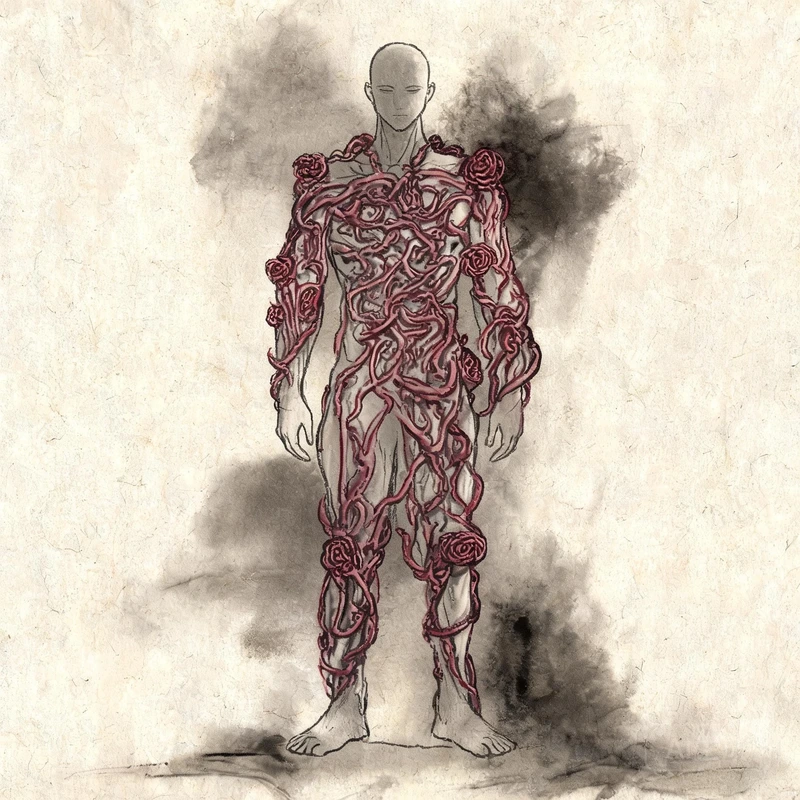
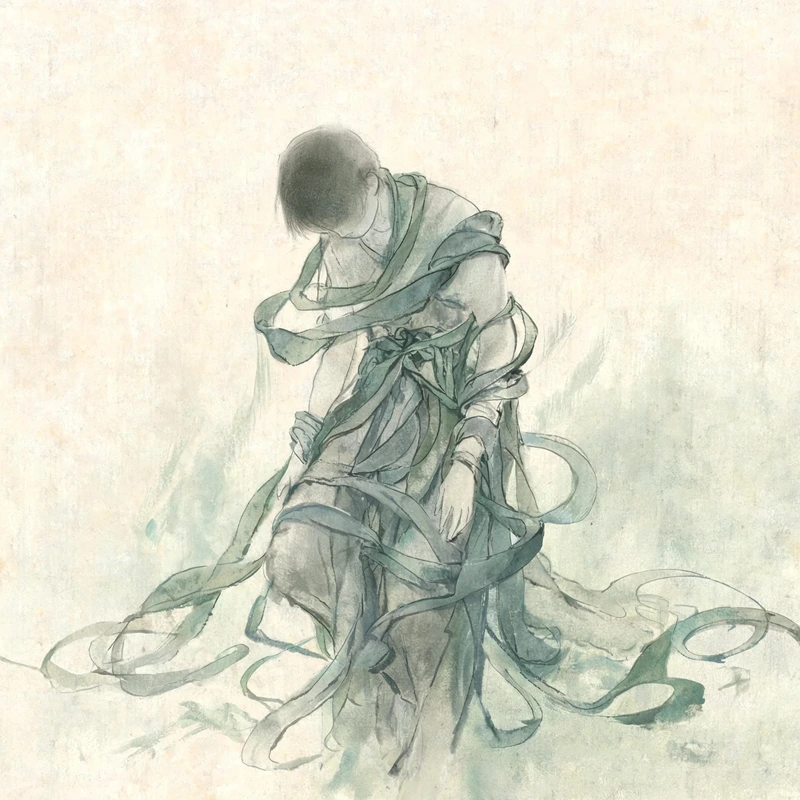
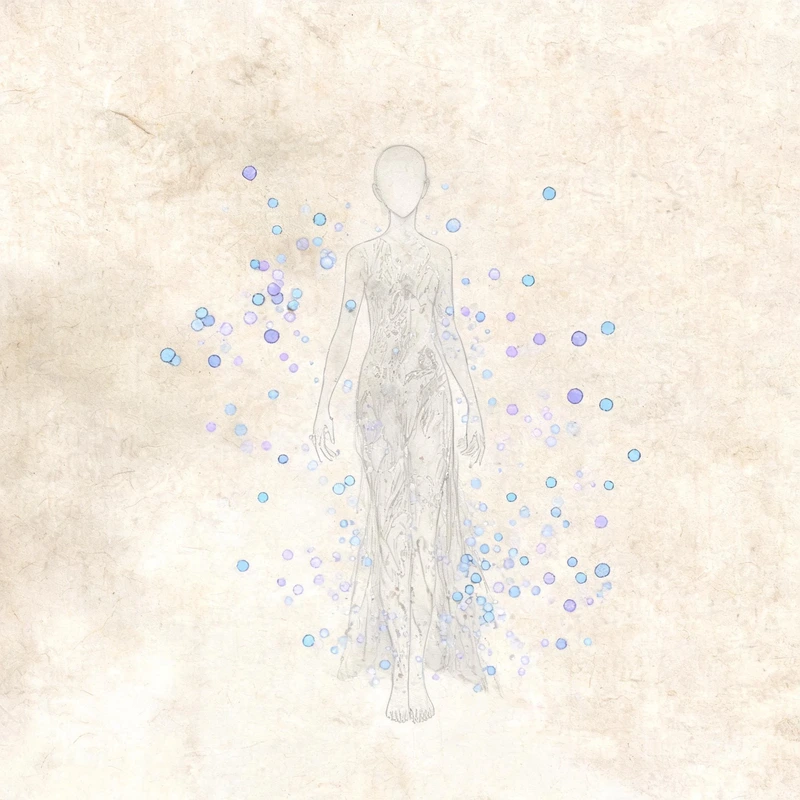
Yang Deficiency Constitution is characterized by insufficient Yang Qi and reduced warming function. Common signs include aversion to cold, cold hands and feet, pale complexion, low energy, and loose stools. The focus is on warming Yang, tonifying Qi, avoiding cold, and progressing gradually.
Daily Routine
The core principle for Yang Deficiency is "keep warm." Maintain a regular schedule, go to bed early to nurture Yang, and avoid staying up late or overworking. Get sunlight during the day, especially on the back and waist, to absorb natural warmth. Keep your living space dry and warm, and avoid prolonged exposure to cold, damp places. In summer, keep air conditioning moderate and protect the neck, shoulders, abdomen, and ankles.
Dietary Plan
The diet should focus on warming and tonifying Yang. Regularly eat lamb, beef, chicken, chives, longan, walnuts, chestnuts, ginger, cinnamon, Sichuan pepper, Chinese yam, and glutinous rice. Prefer stewing, boiling, and braising, and add warming spices such as ginger, scallion, and garlic. A warm ginger and red-date tea in the morning helps Yang rise.
Movement & Exercise
Choose gentle, warming exercise and avoid heavy sweating, which can damage Yang. Recommend Baduanjin, Tai Chi, brisk walking, light jogging, and standing meditation. In winter, exercise during the sunniest part of the morning and keep warm before and after. Dry sweat promptly and change clothes to avoid wind exposure.
Emotional Care
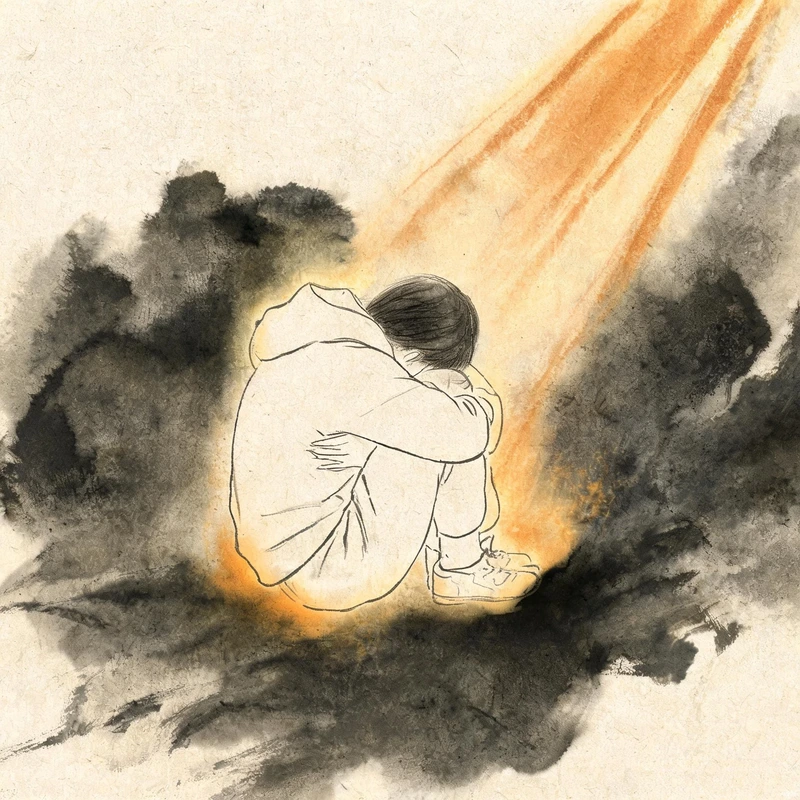
Yang Deficiency can lead to low mood and lack of motivation. Actively cultivate hobbies and stay connected with family and friends. Avoid long periods of fear, anxiety, or loneliness. Use meditation, music, and reading to calm the mind and maintain an inner sense of warmth.
 YX
YX
Yang is the root of life; protect the inner fire, and the body will warm itself. — TCM wisdom
The map is still a sample. Complete the 60 questions, and this page will light up with a result made just for you.
Answer consistency
ReliabilityWhat you see now is sample data. After the 60 questions, this card shows your personal reliability score and any contradictions in your answers.
Your answers are consistent — the result is a solid reference.
Nine-dimension map
Converted score 0–100
Constitution at a glance
Yang Deficiency means the body’s warming function runs low. The common signs are aversion to cold, cold hands and feet, a pale complexion, low energy, and loose stools. The work is warming Yang and tonifying Qi — steadily, never abruptly.
Where it shows
Cold hands and feet that take a long time to warm, a preference for hot drinks, and energy that dips in cold weather.
What is actually happening
Yang is the body’s heating and activating force — when it is low, digestion, circulation, and mood all run cooler.
What it responds to
Warm cooked food, sunlight, gentle movement, and patience: Yang is rebuilt slowly, not switched on.
Your strengths · Watch-outs
Your strengths
- Gentle and steadyA patient temperament makes you reliable in ways louder people are not.
- Thrives in warmthGiven a warm environment, your energy and mood lift clearly.
- Sleeps deeplyWhen sleep is protected, it tends to be genuinely restorative.
- Instinctively avoids cold foodYour body signals clearly what it does not want, if you listen.
- Improves with consistencySteady habits produce visible change faster for you than for most patterns.
Watch-outs
- Winter is hardCold months cost more energy and lower mood across the board.
- Delicate digestionCold or raw food can trigger loose stools quickly.
- Low baseline energyFatigue arrives early in the day and lingers.
- Slow metabolismA tendency toward water retention and weight gain needs watching.
- Slow mood recoveryLow moods take longer to lift, so early intervention matters.
Body signals
Yang Deficiency means the body's inner "fire" is low. You often feel cold, especially hands and feet, and prefer warm drinks and environments.
Cold intolerance
Cold hands, feet, and lower back even in mild weather.
Low energy
Listless, prefers lying down, speaks softly.
Digestion
Stomach discomfort after cold food; loose stools possible.
Complexion
Pale complexion, slight puffiness.
Meridians & acupoints
Yang Deficiency responds well to warming points that support Kidney and Spleen Yang.
Guanyuan (CV4)
Four finger-widths below the navel.
Warm moxa or palm massage 10-15 minutes.
Warms and tonifies Yang.
Mingmen (GV4)
Midline of the lower back, opposite the navel.
Warm compress or moxa 10-15 minutes.
Supports Kidney Yang.
Shenshu (BL23)
Below the 2nd lumbar vertebra, 1.5 cun lateral.
Press or moxa 5 minutes.
Tonifies Kidney Yang.
Food therapy
Yang Deficiency needs warming foods and cooking methods. Favor stews, soups, ginger, cinnamon, and lamb.
Ginger & red date tea
Fresh ginger slices with red dates.
Warms the middle, dispels cold.Lamb soup
Lamb with angelica and fresh ginger.
Tonifies Yang and Blood.Cinnamon porridge
Rice porridge with cinnamon and walnuts.
Warms Kidney Yang.Mugwort foot soak
Dried ai ye (mugwort) in warm foot bath.
Warms channels via the feet.Daily rhythm
-
6:30-7:30
Warm wake-up
Put on warm clothes immediately; drink ginger and red date tea.
-
7:30-9:00
Warm breakfast
Millet, yam, sweet potato, or warm porridge.
-
9:00-11:00
Sun time
Sit or walk in sunlight for 15-30 minutes, back to the sun.
-
12:00-13:30
Lunch
Warm proteins like lamb, beef, or chicken with ginger.
-
13:30-15:00
Rest
Relax indoors, keep abdomen and feet warm.
-
15:00-18:00
Afternoon
Cinnamon or brown sugar ginger tea; gentle movement.
-
18:00-19:30
Dinner
Warm, cooked food; no raw or cold dishes.
-
20:00-21:30
Foot soak
Soak feet in warm water 40°C for 15-20 minutes.
Exercise guidance
Warm, moderate exercise in sunlight helps generate Yang. Avoid cold environments and sweating heavily.
Best choices
- Tai Chi in the morning sun
- Brisk walking
- Gentle qigong
- Stair climbing with warm clothes
Tips
- Dress warmly after exercise
- Avoid cold drafts
- Soak feet after evening activity
Diet tips · Movement tips
Diet tips
The Yang Deficiency plate should be hot, cooked, warm in nature, and gently tonifying. Cold and raw are the enemy.
Everyday staples
- Glutinous rice, millet, Chinese yam, and sweet potato as the base.
- Lamb, beef, chicken, eel, and shrimp, stewed with angelica sinensis, ginger, and goji berries.
Worth adding
- Angelica-ginger-lamb soup; cinnamon and red-date glutinous rice porridge; walnut and black-bean pork-kidney stew.
- Warm fruits such as longan, lychee, and durian in moderation.
Worth limiting
- Iced drinks, raw fruits and vegetables, and sashimi.
- Mung beans, bitter melon, crab, pear, and strongly cooling teas — even in summer.
Movement tips
Movement should warm without soaking. Outdoor exercise in daylight suits you best.
What suits you
- Brisk walking, light jogging, Tai Chi, Baduanjin, and Wu Qin Xi in the sun.
- Three to five sessions a week, 20–40 minutes, until the body feels gently warm.
Timing and aftercare
- In winter, exercise between 9 and 11 a.m., when Yang is at its peak.
- Dry sweat immediately, put on warm clothes, and stay out of draughts afterwards.
Emotional care
Low Yang tends to lower mood and motivation with it. Warmth is not only a physical matter here — emotional warmth needs steady cultivation too.
Seek warmth deliberately
- Spend time with warm people and in warm rooms; accept family gatherings and small get-togethers.
- Cultivate absorbing hobbies — gardening, cooking, crafts — that produce something tangible.
Do not disappear when stressed
- Withdrawing is the default move; talking to someone you trust works better.
- Say the thing out loud early, while it is still small.
Raise the emotional temperature daily
- Ten minutes a day of mindful breathing or unhurried music.
- Treat this as maintenance, not as a treat earned by productivity.
Keep expectations gentle
- Low motivation is a symptom, not a verdict on your character.
- Small, repeated warmth does more than occasional intensity.
Yang is rebuilt the way a room warms — slowly, and from a steady source.
Emotion & physical-energy curve
Scores show how this pattern's emotional and physical energy moves over time — for self-observation only.
Social relations
Yang Deficiency tends to prefer warm, supportive social environments. Cold, competitive, or emotionally distant settings can leave you feeling drained. Seek people and places that feel like a warm hearth.
Settings that suit you
- Home gatherings with warm food
- Walking or tai chi with a friend
- Supportive family time
- Small study or interest groups
Watch out for
- Outdoor events in cold or wet weather
- Competitive or high-pressure social settings
- People who frequently criticize or complain
- Share that warmth and kindness help you feel safe.
- Use calm, steady tones even in disagreement.
- Ask for a warm drink or comfortable seat when needed.
- Express appreciation for supportive gestures.
Avoid commitments in cold or drafty venues.
Limit time with people who leave you feeling chilled emotionally.
Give yourself permission to leave early.
Warmth is not only physical. Surround yourself with people whose presence feels like putting on a cozy sweater.
Workplace tips
At work, warmth and pacing come first. Everything else follows from those two.
A workable daily rhythm
- Schedule creative or demanding work in the morning, when Yang is stronger.
- In the afternoon, stand, stretch, or take a short walk when energy dips.
- Move around and refill with warm water every 45 minutes.
- Take a few deep breaths before speaking in meetings to support voice and presence.
Keep a warm layer at the desk
A light blanket or waist warmer and a seat out of the air-conditioning flow.
Break up long sittings
Continuous overtime and prolonged sitting both drain Yang faster than the work itself.
Warm but firm with people
Communicate warmly while still holding your position — the two are not in conflict.
Home environment
Yang Deficiency needs a home that actively preserves warmth. Cold floors, drafts, and dim lighting can quietly deplete your Yang.
- Use warm bedding and consider an electric blanket or hot water bottle.
- Keep feet warm with thick socks even in bed.
- Close windows at night to avoid cold drafts.
- Store warming spices: ginger, cinnamon, clove, black pepper.
- Keep the stove busy with stews, soups, and porridges.
- Drink warm water or ginger tea throughout the day.
- Sit in the sunniest spot during the morning.
- Use warm-toned lighting in the evening.
- Cover cold floors with rugs, especially where you stand.
- Take warm foot soaks 15-20 minutes before bed.
- Keep the bathroom well heated after bathing.
- Dry off immediately and dress warmly.
Protecting yourself from cold is often more restorative than taking warming tonics. Make warmth the default setting of your home.
Seasonal care
Yang Deficiency is the most season-sensitive of the nine patterns; clothing and timing matter as much as food.
Spring
Increase outdoor activity gradually but keep dressing warm — do not shed layers early.
Summer
Avoid excessive cold exposure; keep air-conditioning around 26°C and out of direct draughts.
Autumn
Add layers early, especially around the waist and ankles.
Winter
The key season for nourishing Yang: sleep longer, get more sun, eat warming food, and consider tonification under professional guidance.
Daily rituals
Morning ginger-red-date tea
Simmer 2 slices of ginger and 2 red dates and drink warm to support rising Yang.
Sunbathe your back for 15 minutes
Expose your back, especially along the spine, to morning or late-afternoon sun.
Warm foot soak before bed
Soak feet in water around 40°C for 15–20 minutes until slightly sweaty.
Quick resets
When Yang Deficiency leaves you cold, use these quick warm-ups.
Warms the middle and dispels cold quickly.
Apply a hot water bottle to Guanyuan point.
Move in sunlight to generate Yang.
Moxa Guanyuan or Mingmen point.
Four-week plan
Yang Deficiency means the body's inner warmth is low. The goal is not to push harder, but to protect and rebuild Yang through warmth, diet, sunlight, and steady routines. This plan progresses from removing cold sources to actively warming and stabilizing your constitution.
Remove the cold: Stop Yang drain
Cold food, cold environments, and overexertion deplete Yang further. Week one focuses on eliminating these drains.
Goals
- Avoid all cold drinks and raw food for 7 days
- Keep abdomen, lower back, and feet warm throughout the day
- Be in bed by 22:30 with feet warm
Daily routine
- Put on warm clothes before getting out of bed
- Drink ginger and red date tea instead of cold water
- Warm breakfast: millet, yam, or pumpkin porridge
- Sit in sunlight for 15-20 minutes if possible
- Lunch: warm proteins with ginger, scallion, or cinnamon
- Do not nap on a cold surface; cover your belly
- Sip warm water or brown sugar ginger tea
- Avoid sitting in air-conditioning drafts
- Foot soak in warm water (40°C) for 15-20 minutes
- No cold showers or late-night exercise
Weekly tasks
- Audit your home and wardrobe for cold spots
- Replace cold breakfast habits with warm options
- Track how often your hands or feet feel cold
Milestones
- 7 days without cold drinks or raw salads
- Hands and feet feel warmer for at least 3 consecutive evenings
Warm the middle: Build Yang through diet
Warming foods and cooking methods strengthen Spleen and Kidney Yang. This week focuses on consistent warm nourishment.
Goals
- Eat at least two warming foods daily
- Use stewing, braising, and roasting as main cooking methods
- Finish dinner at least 3 hours before bed
Daily routine
- Warm water with a thin slice of ginger on an empty stomach
- 5 minutes of gentle waist and knee rotation
- Breakfast includes grains + warm protein (egg, chicken)
- Morning walk in sunlight for 15-30 minutes
- Lunch: lamb, beef, or chicken with ginger and scallions
- Rest 10 minutes after eating in a warm place
- Cinnamon, clove, or dried ginger tea in the afternoon
- Keep socks on; avoid walking barefoot on cold floors
- Light dinner: no raw vegetables
- Moxa or warm compress on lower abdomen for 10 minutes
Weekly tasks
- Learn 2 warming recipes (lamb soup, ginger chicken, cinnamon porridge)
- Prepare a thermos of warm tea for the day
- Remove ice water and cold desserts from your home
Milestones
- Cook at home 5 days this week using warming methods
- Notice less bloating or stomach discomfort after meals
Activate gently: Move to generate Yang
Moderate movement in warmth and sunlight helps generate Yang. Avoid sweating heavily or exercising in cold air.
Goals
- Exercise 3-4 times weekly in the morning sun
- Keep exercise intensity mild to moderate
- Warm up and change clothes immediately after exercise
Daily routine
- Bed stretches for 3 minutes before rising
- Dress warmly; do not expose neck or ankles
- Tai chi, brisk walking, or qigong in sunlight
- After exercise, dry sweat and add a layer immediately
- Warm lunch with protein and cooked vegetables
- 10-minute rest or slow walk after eating
- Afternoon tea: red date, longan, or ginger tea
- Stand and move hourly if desk-bound
- Foot soak with mugwort or ginger
- Gentle stretching; in bed by 22:30
Weekly tasks
- Find an indoor warm exercise option for cold or rainy days
- Buy warm socks, belly band, or thermal layers if needed
- Record post-exercise warmth and energy levels
Milestones
- Complete 3 morning workouts without feeling chilled afterward
- Walk 20 minutes after lunch on 4 days
Anchor Yang: Make warmth a lifestyle
Sustain the gains by integrating warming habits into daily life and protecting Yang during seasonal transitions.
Goals
- Form 3 automatic warming habits
- Create a cold-weather and travel preparation checklist
- Plan next month's Yang-care focus
Daily routine
- Fixed warm-drink ritual upon waking
- 3 minutes of waist circles or knee warm-ups
- Warm breakfast; morning sunlight exposure
- Keep neck and ankles covered when outdoors
- Lunch centered on warm cooked foods
- Brief walk or rest in a warm place
- Warm afternoon tea; avoid cold drafts
- Light movement if energy dips
- Foot soak or warm compress
- Light dinner; prepare for sleep by 22:30
Weekly tasks
- Write your personal "Yang protection manual"
- Prepare a travel kit with warm tea, socks, and belly wrap
- Schedule seasonal check-in to adjust diet and routine
Milestones
- 3 warming habits feel automatic
- No cold drinks or raw meals for 14 consecutive days
Yang is like a slow-burning fire. It is built by consistency, not intensity. Protecting yourself from cold is often more important than adding tonics.
Deep reading
Yang Deficiency means the body's inner warmth is low. It is not just feeling cold; it is a reduced capacity to generate vitality and metabolic heat.
What is Yang Deficiency?
Yang is the warming, activating, transforming force in the body. Yang Deficiency means this fire is low, especially in the Kidney and Spleen. People with this pattern feel cold easily, especially in the hands, feet, and lower back. They may have pale skin, low energy, soft voice, and a preference for lying down. Digestion is often sensitive to cold food, and stools may be loose. Women may experience cold menstrual pain. The overall feeling is one of insufficient metabolic fire.
Why does it develop?
Yang Deficiency can be inherited, but it is often acquired through chronic cold exposure, raw diets, overwork, excessive sweating, or frequent illness. Living in air-conditioned environments, drinking iced beverages, skipping warm meals, and wearing insufficient clothing in cold weather gradually deplete Yang. Emotional coldness, chronic fear, and lack of sunlight also play a role. The body learns to conserve, but eventually the fire becomes too low.
Daily clues of Yang Deficiency
You wear more layers than others and still feel cold. Your hands and feet are icy even indoors. You crave warm drinks and dislike air conditioning. Your energy is lowest in the morning or after being chilled. You may have loose stools or stomach discomfort after cold food. You prefer hot showers and warm beds. Socially, you seek warm, supportive environments and people.
Core care principles
The priority is warmth in every form: warm food, warm drinks, warm clothing, warm baths, and warm relationships. Ginger, cinnamon, lamb, walnuts, and glutinous rice are traditional Yang-supporting foods. Moxibustion, foot soaks, and gentle morning sunlight are helpful. Exercise should be moderate and warming; avoid cold, damp environments and heavy sweating. Protect the lower back, abdomen, and feet at all times.
Common misunderstandings
Some people think Yang Deficiency only happens in winter. In fact, air conditioning and iced drinks in summer can be just as damaging. Another myth is that spicy food warms Yang. While chili creates a temporary heat sensation, it can actually consume Yin and worsen the root imbalance. True Yang building requires steady, gentle warmth over time.
Long-term outlook
Yang is slow to build but responds well to consistency. With several months of warmth-focused living, most people feel more energetic, less cold, and more resilient. The risk of relapse is highest during cold seasons or after illness. Maintaining warm habits year-round protects the Yang you have rebuilt.
Yang is like a slow fire: it is built by consistent warmth, not occasional intense heat.
Blended constitution
Most people are a blend of constitutions — rarely one pure type. The national standard (ZYYXH/T157-2009) classifies a constitution as "yes" when its transformed score reaches 40, and as "tendency" between 30 and 39. Tune the dominant one first, then the secondary.
Common blends:Yang-deficiency often pairs with qi-deficiency and inner dampness. Warm and supplement first, then resolve dampness.
Your exact blend is shown after you complete the test — this is the general picture for the Yang Deficiency Constitution type.

A note from Bong
<p>Yang Deficiency is not being delicate. It is your body asking for more warmth. Nourishing Yang is a patient practice that begins with a cup of warm water, a foot soak, or a hug. Take it slowly, and your inner stove will glow again.</p>
Ask AI about your result
Copy the prompt with your answers and result for a deeper reading.
This is a sample report. Answer the 60 questions to generate the portrait that truly belongs to you.
Take it again?
Your constitution shifts with seasons, stress and food. Retake it later and watch the body move.